


Aquarium Red Root Floaters: Complete Care Guide 2026
Aquarium red root floaters have become one of the most sought-after floating plants in the aquascaping hobby, prized for their stunning red coloration and ease of care. These delicate plants, scientifically known as Phyllanthus fluitans, create a dramatic visual impact when allowed to flourish on the water's surface. Whether you're a beginner looking to add natural filtration to your tank or an experienced aquascaper seeking to achieve that perfect crimson hue, understanding the specific requirements of aquarium red root floaters will help you create a thriving aquatic environment. This comprehensive guide explores everything you need to know about cultivating these beautiful plants, from basic care requirements to advanced techniques for maximizing their vibrant coloration.
Understanding Red Root Floaters and Their Natural Habitat
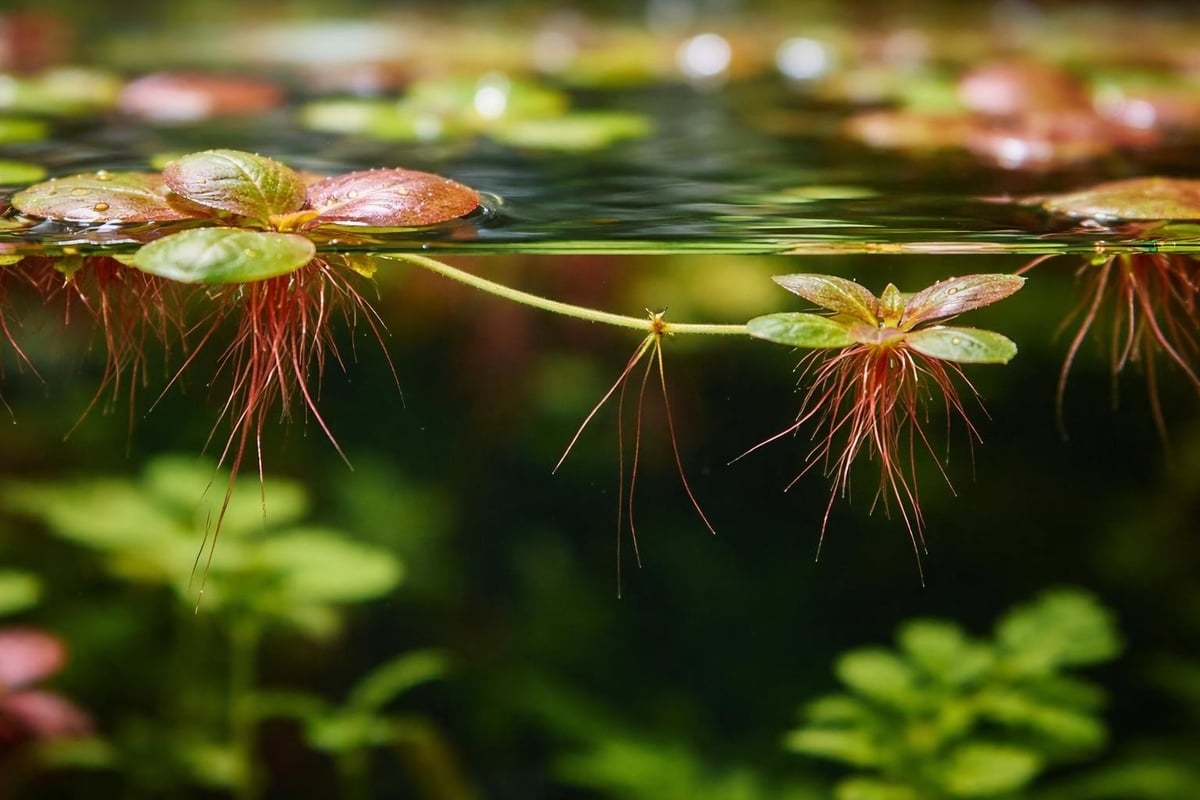
Aquarium red root floaters originate from the slow-moving waters of Central and South America, where they float freely across ponds, lakes, and gentle river systems. In their natural environment, these plants receive intense sunlight, warm temperatures, and nutrient-rich water, which contributes to their characteristic red coloration. The plant features round, coin-shaped leaves that typically range from 0.5 to 1 inch in diameter, with distinctive burgundy roots that dangle beneath the surface.
The transformation from green to red depends heavily on environmental conditions. Under optimal lighting and nutrient levels, the leaves develop deep red or purple hues on their undersides, creating a stunning visual contrast against the green upper surfaces. This color variation makes them particularly attractive in floating aquarium plant displays.
Physical Characteristics and Growth Patterns
The plant's structure consists of several key features that distinguish it from other floating species:
- Leaves: Round, slightly cupped leaves approximately 0.5-1 inch diameter
- Roots: Fine, hair-like burgundy or red roots extending 2-4 inches below the surface
- Growth rate: Rapid multiplication through lateral runners under optimal conditions
- Size: Forms dense mats when left unmanaged
Understanding these characteristics helps aquarists anticipate how the plant will behave in their specific tank environment. The rapid growth rate means regular maintenance becomes necessary to prevent complete surface coverage, which could limit light penetration to submerged plants.
Essential Care Requirements for Thriving Plants
Creating the ideal environment for aquarium red root floaters requires attention to several key parameters. These plants are relatively forgiving but achieve their best coloration and growth when specific conditions are met.
Lighting Parameters and Intensity
Light plays the most critical role in determining both growth rate and coloration. Aquarium red root floaters require moderate to high lighting intensity to develop their characteristic red pigmentation. The comprehensive care guide at Fish Laboratory emphasizes that insufficient lighting results in pale green leaves that never achieve the desired red coloration.
Optimal lighting specifications:
| Parameter | Requirement | Notes |
|---|---|---|
| Intensity | Medium to High (50+ PAR) | Higher intensity produces deeper red colors |
| Duration | 8-10 hours daily | Consistent photoperiod prevents stress |
| Type | Full spectrum LED or fluorescent | 6500K-8000K color temperature ideal |
| Distance | 6-12 inches from surface | Closer placement intensifies coloration |
The relationship between lighting and coloration is particularly important for aquascapers seeking that vibrant red appearance. According to Buce Plant's detailed guide, plants receiving less than 50 PAR typically remain green, while those under higher intensity develop the coveted burgundy and red tones.
Water Parameters and Chemistry
While aquarium red root floaters adapt to various water conditions, maintaining stable parameters ensures consistent growth and health. These plants prefer slightly acidic to neutral water with adequate nutrient availability.
Recommended water parameters:
- pH: 6.5-7.5 (slight acidity preferred)
- Temperature: 70-82°F (optimal: 75-80°F)
- Hardness: Soft to moderately hard water (3-8 dGH)
- Nitrates: 10-25 ppm
- Iron: Adequate levels for red pigmentation
The presence of sufficient iron in the water column proves particularly important for developing red coloration. Many aquarists supplement with liquid fertilizers containing chelated iron to enhance color intensity. Improving water quality through live plants becomes easier when red root floaters actively absorb excess nutrients.
Propagation Techniques and Population Management
One of the most appealing aspects of aquarium red root floaters is their effortless propagation. Under favorable conditions, these plants reproduce rapidly through vegetative reproduction, sending out lateral runners that produce daughter plants.
Natural Propagation Methods
The plant naturally produces offshoots without any intervention required from the aquarist. Each mature plant develops runners that extend outward, forming new plantlets at nodes along these stems. Within 1-2 weeks, daughter plants develop their own root systems and can survive independently.
Propagation timeline:
- Week 1: Parent plant develops lateral runners
- Week 2: Daughter plants form with initial root development
- Week 3: Young plants become independent and begin producing their own runners
- Week 4: Population potentially doubles under optimal conditions
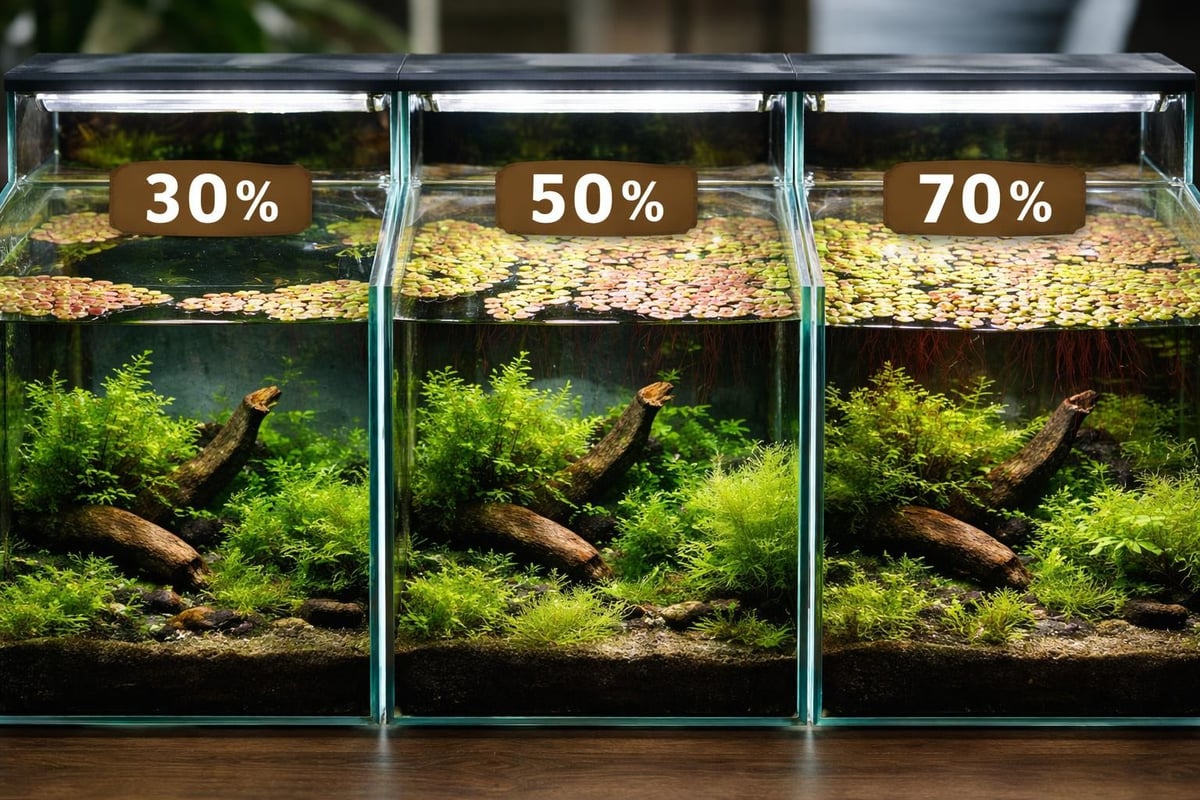
This rapid multiplication means population control becomes necessary in most aquarium settings. Studio Scaped's knowledge base recommends regular thinning to maintain approximately 50-70% surface coverage, allowing sufficient light penetration for submerged plants.
Controlling Growth and Preventing Overpopulation
Managing aquarium red root floaters requires regular maintenance to prevent them from completely covering the water surface. Excessive coverage blocks light from reaching plants below and can reduce oxygen exchange at the surface during nighttime hours.
Effective management strategies:
- Remove excess plants weekly or bi-weekly
- Create floating barriers using airline tubing to restrict growth areas
- Maintain open swimming areas for fish that feed at the surface
- Harvest surplus plants for composting or sharing with other hobbyists
- Monitor coverage and adjust removal frequency based on growth rate
The excess plants removed during maintenance can be composted, shared with other aquarium enthusiasts, or even sold to local fish stores. This makes aquarium red root floaters not only beautiful but also potentially sustainable.
Achieving Vibrant Red Coloration
While aquarium red root floaters can survive with basic care, achieving that intense red coloration requires specific environmental conditions and targeted supplementation. The difference between pale green plants and deeply pigmented specimens lies in understanding the factors that trigger anthocyanin production.
Lighting Strategies for Maximum Color
High-intensity lighting stands as the primary factor in red pigmentation development. The plant produces red pigments as a protective response to intense light, similar to how human skin tans under sun exposure. Canton Aquatics' specialized guide provides detailed techniques for maximizing this coloration.
Color enhancement through lighting:
- Position lights closer to the water surface (6-8 inches optimal)
- Use high-quality LEDs with strong red and blue spectrum components
- Extend photoperiod gradually to 10-12 hours for mature plants
- Ensure even light distribution across the entire floating mass
- Avoid shading from aquarium hoods or equipment
The transformation from green to red typically takes 2-4 weeks after implementing proper lighting conditions, assuming all other parameters remain optimal.
Nutrient Supplementation and Fertilization
Beyond lighting, adequate nutrient availability plays a crucial role in color development. Aquarium red root floaters require sufficient macro and micronutrients, with particular emphasis on iron for red pigmentation.
| Nutrient | Function | Supplementation Method |
|---|---|---|
| Iron (Fe) | Red pigment production | Liquid chelated iron 2-3x weekly |
| Nitrogen (N) | Overall growth and health | Fish waste or liquid fertilizer |
| Phosphorus (P) | Root development | Typically sufficient in established tanks |
| Potassium (K) | Color intensity and leaf structure | Comprehensive liquid fertilizer |
| Trace elements | Various metabolic functions | All-in-one fertilizers |
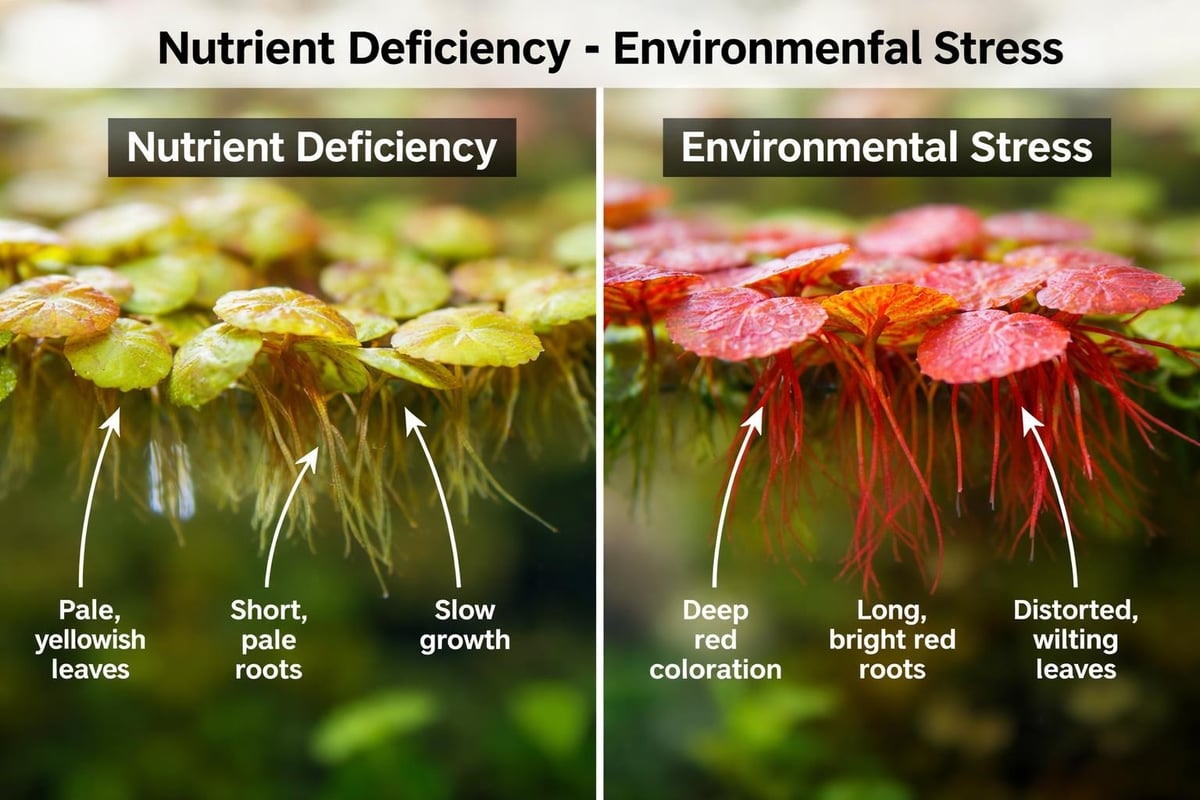
According to Aquarium Source's comprehensive guide, iron deficiency manifests as yellowing leaves and poor red coloration, making it essential to maintain adequate levels through regular supplementation.
Tank Compatibility and Ecosystem Integration
Integrating aquarium red root floaters into an established aquarium requires consideration of tank mates, equipment compatibility, and overall ecosystem balance. These plants work best in community setups where their presence enhances rather than disrupts the existing environment.
Compatible Fish Species and Invertebrates
Most peaceful community fish coexist well with red root floaters. The dangling roots provide shelter for fry and nervous fish while creating natural territorial boundaries. However, certain species may present challenges.
Highly compatible species:
- Small tetras and rasboras (appreciate shade and cover)
- Gourami species (build bubble nests among roots)
- Shrimp and snails (benefit from biofilm on roots)
- Corydoras and bottom-dwelling fish (unaffected by surface coverage)
Species requiring caution:
- Goldfish and koi (may consume plants)
- Large cichlids (may uproot or destroy floaters)
- Surface-feeding fish requiring open water (bettas, hatchetfish)
The compatibility information at Aquamarine Power details how various fish interact with floating plants, helping aquarists make informed stocking decisions.
Equipment Considerations and Flow Management
Aquarium red root floaters prefer calm water surfaces with minimal current. Strong surface agitation from filters or powerheads can prevent proper root development and cause the plants to sink or deteriorate.
Equipment adjustments for optimal growth:
- Reduce surface agitation from hang-on-back filters
- Direct filter output below the water surface or against tank walls
- Use spray bars to distribute flow without surface disruption
- Create calm zones using floating barriers for plant establishment
- Ensure adequate gas exchange through gentle water movement
For aquarists setting up a freshwater aquarium with live plants, incorporating red root floaters from the start helps establish the biological balance needed for long-term success.
Common Problems and Troubleshooting Solutions
Even with proper care, aquarium red root floaters may occasionally exhibit problems requiring intervention. Recognizing early warning signs helps prevent minor issues from becoming major setbacks.
Yellowing Leaves and Nutrient Deficiencies
Yellow or pale green leaves typically indicate nutrient deficiency, most commonly iron or nitrogen. This problem appears gradually and affects older leaves first before spreading to new growth.
Diagnosis and solutions:
- Iron deficiency: Add chelated iron supplement 2-3 times weekly
- Nitrogen deficiency: Increase feeding slightly or add nitrogen-based fertilizer
- Overall nutrient depletion: Implement comprehensive fertilization schedule
- Light stress: Reduce intensity if yellowing appears with brown spots
The detailed care guide at Pet Med Daily explains how nutrient deficiencies manifest and provides specific remedy protocols based on symptom presentation.
Melting, Disintegration, and Die-Off
Sudden melting or plant disintegration usually results from dramatic environmental changes, water quality issues, or chemical contamination. This represents a more serious problem requiring immediate attention.
Common causes and remedies:
- Water parameter shock: Test and stabilize pH, temperature, and hardness
- Chemical contamination: Check for copper-based medications or metal toxicity
- CO2 injection: High CO2 levels can cause surface plants to struggle
- Bacterial infection: Remove affected plants and improve water circulation
According to Fish Tank Master's complete guide, preventing sudden environmental changes through consistent maintenance proves more effective than treating problems after they develop.
Preventing Green Coloration
When aquarium red root floaters remain stubbornly green despite adequate care, the issue typically relates to lighting intensity or nutrient imbalance rather than plant health.
Strategies to encourage red coloration:
- Increase light intensity incrementally over 2-3 weeks
- Position plants directly under the brightest light zones
- Supplement with iron-rich fertilizers specifically formulated for red plants
- Reduce nitrogen levels slightly (high nitrogen promotes green growth)
- Ensure adequate photoperiod of 10+ hours daily
- Remove shading from equipment or decorations
The transformation from green to red requires patience, typically taking 3-4 weeks of consistent optimal conditions before significant color change becomes apparent.
Advanced Care Techniques and Optimization
For aquarists seeking to maximize the potential of aquarium red root floaters, advanced techniques can produce spectacular results that elevate the entire aquascape. These methods require more attention but deliver significantly enhanced visual impact.
Creating Controlled Growth Zones
Using floating barriers allows aquarists to contain red root floaters in specific areas while maintaining open swimming spaces. This technique proves particularly valuable in larger aquariums where complete surface coverage would be impractical.
Barrier construction methods:
- Clear airline tubing formed into desired shapes and connected at ends
- Suction cups attached to tubing at intervals to maintain position
- Adjustable positioning to accommodate changing layout needs
- Multiple zones for different floating species
- Maintenance access areas for easy removal during cleaning
This approach combines the benefits of floating plants with the practical needs of tank maintenance and fish observation.
Seasonal Adjustments and Long-Term Maintenance
Like all aquarium plants, red root floaters benefit from seasonal care adjustments that account for changing conditions throughout the year. Temperature fluctuations, varying natural light exposure, and seasonal metabolic changes all influence plant health.
Yearly maintenance calendar:
| Season | Care Focus | Specific Actions |
|---|---|---|
| Spring | Growth acceleration | Increase fertilization, thin population frequently |
| Summer | Color optimization | Maximize lighting intensity, monitor temperature |
| Fall | Stabilization | Reduce feeding, maintain consistent parameters |
| Winter | Slower growth | Decrease fertilization, extend photoperiod if natural light decreases |
The comprehensive information available through Aquanswers' propagation guide helps aquarists develop year-round maintenance strategies tailored to their specific climate and indoor conditions.
Integration with Other Aquarium Plants
Aquarium red root floaters complement many other plant species when properly managed. The key lies in balancing surface coverage with the light requirements of submerged plants, creating a layered ecosystem that maximizes both aesthetic appeal and biological function.
Compatible plant combinations:
- Low-light plants beneath floaters (Anubias varieties, Java fern)
- Tall stem plants reaching toward the surface (Ludwigia, Rotala)
- Foreground carpeting plants in well-lit open areas
- Midground plants in transition zones between covered and open areas
This layered approach creates depth and visual interest while ensuring all plants receive appropriate light levels. The diverse plant collection available at Canton Aquatics provides numerous options for creating these multi-layered aquascapes.
Benefits Beyond Aesthetics
While the visual appeal of aquarium red root floaters attracts most hobbyists initially, these plants provide numerous practical benefits that enhance overall aquarium health and stability.
Natural Filtration and Nutrient Export
Floating plants excel at nutrient absorption, removing excess nitrogen and phosphorus compounds that would otherwise fuel algae growth. The rapid growth rate of red root floaters means they consume significant quantities of nutrients, effectively acting as a biological filter.
Measurable benefits:
- Nitrate reduction of 20-40% weekly in established populations
- Phosphate absorption helping prevent algae outbreaks
- Heavy metal sequestration through root absorption
- Ammonia uptake during cycling or population increases
- Stable water parameters through continuous nutrient processing
This natural filtration capability makes aquarium red root floaters valuable in both new and established tanks, complementing mechanical and biological filtration systems.
Habitat Creation and Fish Welfare
The hanging root systems create complex three-dimensional habitat structures that benefit many aquarium inhabitants. This structural complexity promotes natural behaviors and reduces stress in captive fish populations.
Habitat benefits for aquarium inhabitants:
- Fry protection and hiding spaces for newborn fish
- Spawning sites for bubble-nesting species
- Territorial markers reducing aggression in community tanks
- Foraging opportunities as biofilm develops on roots
- Shade provision for light-sensitive species
- Surface cover reducing jumping behavior in nervous fish
These welfare benefits often translate to improved coloration, increased breeding success, and better overall health in fish populations.
Aquarium red root floaters offer a perfect combination of stunning visual appeal and practical benefits, making them an excellent addition to most freshwater aquariums. Success with these plants comes down to understanding their lighting needs, maintaining stable water parameters, and implementing regular population management to prevent overgrowth. Whether you're seeking vibrant red coloration or simply want to add natural filtration to your tank, these adaptable floating plants deliver outstanding results with minimal effort. Canton Aquatics provides high-quality, farm-direct aquarium plants with a live arrival guarantee and free shipping on orders over $60, along with expert advice to help you create the thriving aquatic environment you envision.
Ready to Upgrade Your Aquarium?
Check out our shop for a variety of fresh, farm-grown plants! Find the perfect options to enhance your aquarium today.
FEATURED BLOG
Dwarf Cardinal Plant Care Guide: Lobelia Cardinalis for Planted Aquariums


July 14, 2026
Dwarf Cardinal Plant Care Guide: Lobelia Cardinalis for Planted Aquariums
Aquarium Plants That Don't Need Substrate: Epiphytes, Floaters & Column Feeders


July 1, 2026
Aquarium Plants That Don't Need Substrate: Epiphytes, Floaters & Column Feeders
Best Pressurized CO2 Systems for Planted Aquariums: 2026 Buyer's Guide


July 1, 2026
Best Pressurized CO2 Systems for Planted Aquariums: 2026 Buyer's Guide
Going on Vacation? How to Keep Your Planted Tank Alive While You're Away


July 1, 2026
Going on Vacation? How to Keep Your Planted Tank Alive While You're Away
How Long Can Aquarium Plants Survive Without Light?


July 1, 2026
How Long Can Aquarium Plants Survive Without Light?
Best Aquarium Plants for Rainbowfish: Colorful Tank Setup Guide


July 1, 2026
Best Aquarium Plants for Rainbowfish: Colorful Tank Setup Guide
- Choosing a selection results in a full page refresh.

!