


Best Carpet Plants Aquarium: Top Species & Care Guide
Creating a lush, green carpet at the bottom of your aquarium transforms an ordinary tank into a stunning aquatic landscape. The best carpet plants aquarium hobbyists can choose from range from demanding species requiring high-tech setups to hardy varieties suitable for beginners. These foreground plants not only enhance visual appeal but also provide essential benefits like oxygenation, nutrient absorption, and natural hiding spots for small fish and invertebrates. Understanding the specific requirements of each carpeting species ensures you can select plants that thrive in your existing setup while achieving the aesthetic goals you envision for your underwater environment.
Understanding Aquarium Carpet Plants
Carpet plants are low-growing aquatic species specifically cultivated to spread horizontally across the substrate, creating dense foreground coverage. These plants typically reach heights between 0.5 to 3 inches, making them ideal for the front sections of aquascapes where visibility matters most.
The primary appeal of carpeting plants lies in their ability to create depth perception in aquariums. When positioned correctly, they guide the viewer's eye from the foreground through midground plants to background species, establishing a natural perspective that mimics terrestrial landscapes.
Growth Patterns and Propagation Methods
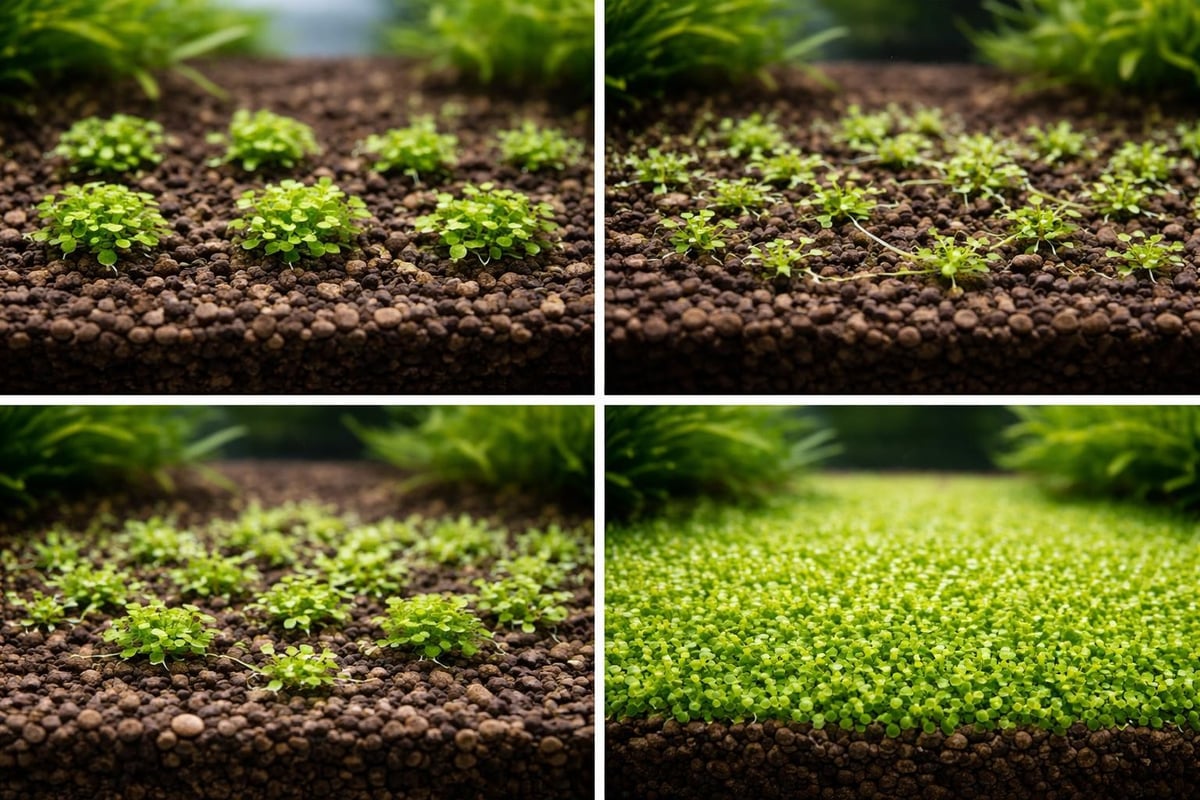
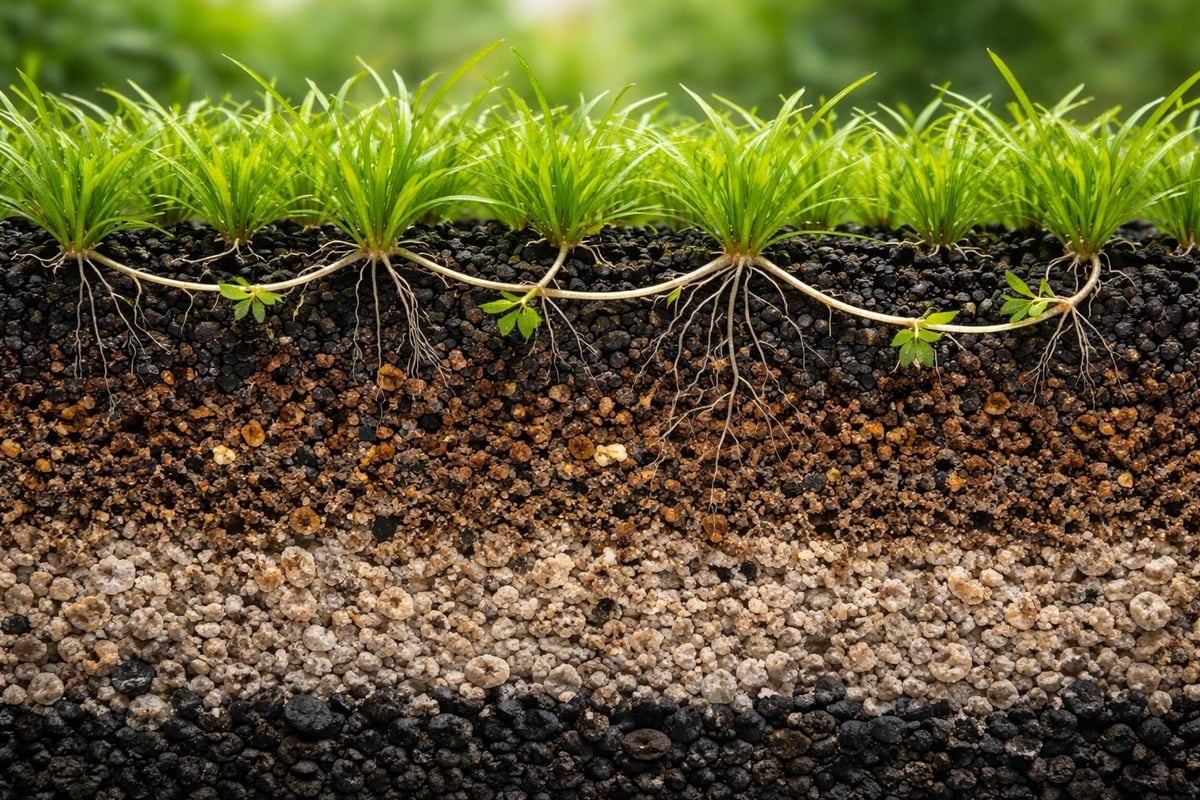
Most carpet plants propagate through runners or stolons that spread horizontally beneath and across the substrate surface. As these runners extend, new plantlets develop at nodes, gradually filling empty spaces to form continuous coverage.
Common propagation methods include:
- Runner propagation: Plants like dwarf hairgrass send out underground stolons
- Division: Separating established clumps into smaller portions
- Adventitious shoots: New growth emerging from leaves or stems in contact with substrate
The growth rate varies significantly among species, with some achieving full coverage within 8-12 weeks under optimal conditions, while others may require 4-6 months to establish completely.
Top Species for the Best Carpet Plants Aquarium
Selecting the right carpeting species depends on your tank parameters, available lighting, CO2 supplementation, and maintenance commitment. Each variety offers unique characteristics suited to different aquascaping styles and experience levels.
Dwarf Hairgrass (Eleocharis parvula)
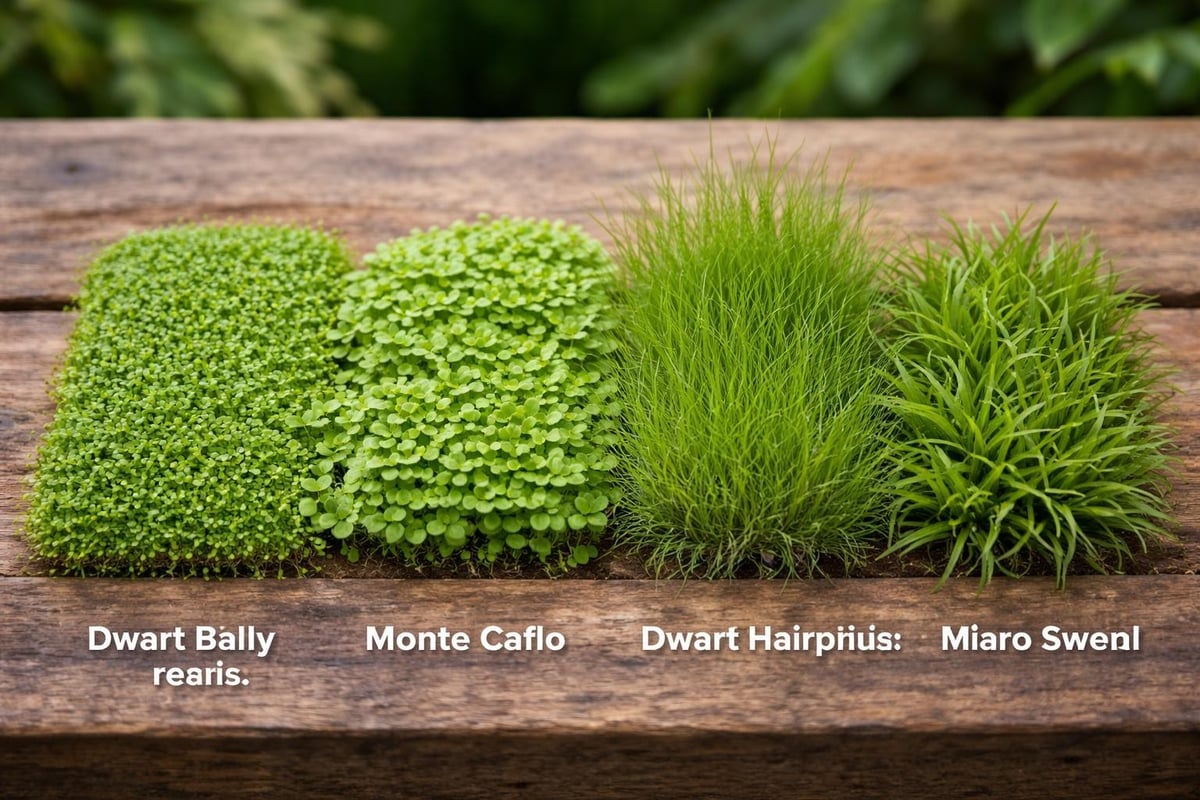
Dwarf hairgrass remains one of the most popular carpeting choices for aquascapers seeking a grass-like lawn appearance. This species forms dense clusters of thin, bright green blades that sway gently with water movement, creating natural motion in the aquarium.
| Parameter | Requirement |
|---|---|
| Light Level | Medium to High |
| CO2 | Recommended but optional |
| Growth Rate | Moderate to Fast |
| Difficulty | Easy to Moderate |
This versatile plant adapts well to various water parameters and can thrive without CO2 injection, though growth accelerates significantly with supplementation. The species tolerates temperatures from 50-83°F, making it suitable for both tropical and temperate setups.
Dwarf Baby Tears (Hemianthus callitrichoides)
Hemianthus callitrichoides, commonly known as HC Cuba or dwarf baby tears, produces the smallest leaves among carpeting plants. This species creates an incredibly dense, bright green mat that resembles terrestrial moss when viewed from above.
Key cultivation requirements:
- High lighting intensity (minimum 3 watts per gallon)
- Pressurized CO2 injection strongly recommended
- Nutrient-rich substrate or regular fertilization
- Stable water parameters with pH 6.0-7.5
The demanding nature of dwarf baby tears makes it best suited for experienced aquarists with established high-tech systems. However, the stunning visual result justifies the effort for those seeking the best carpet plants aquarium showcase pieces.
Java Moss (Taxiphyllum barbieri)
While technically not a traditional carpet plant, Java moss can be attached to mesh or rocks to create carpet-like coverage. This extremely hardy moss tolerates low light, minimal nutrients, and neglect better than any true carpeting species.
The adaptability of Java moss makes it ideal for beginners or low-tech setups where more demanding species would struggle. When tied to stainless steel mesh or plastic grid placed on the substrate, it grows through and over the structure, eventually creating a textured carpet appearance.
Monte Carlo (Micranthemum tweediei)
Monte Carlo has rapidly gained popularity as a middle-ground option between the ease of dwarf hairgrass and the appearance of dwarf baby tears. This species produces slightly larger leaves than HC Cuba but maintains compact growth under proper conditions.
Growth characteristics favor aquarists seeking reliable carpeting without extreme demands. Monte Carlo succeeds in medium-light tanks with or without CO2, though supplementation produces noticeably denser coverage and vibrant coloration.
Planting and Establishment Techniques
Proper planting methodology significantly impacts how quickly and successfully carpet plants establish in your aquarium. The dry start method and traditional underwater planting each offer distinct advantages depending on your timeline and setup.
The Dry Start Method
The dry start method involves planting carpet species in moist substrate while keeping water levels below the plant crowns, allowing them to grow emerged for 4-8 weeks before flooding. This technique accelerates establishment because plants access atmospheric CO2 more efficiently than dissolved carbon dioxide.
Step-by-step process:
- Plant carpeting species in nutrient-rich substrate
- Mist daily to maintain moisture without submersion
- Cover tank with plastic wrap to maintain humidity
- Provide 8-10 hours of light daily
- Gradually flood after visible runner development
- Monitor for algae during transition period
Aquarium Co-Op provides practical advice on planting carpeting plants that complements various establishment methods, helping hobbyists achieve better success rates.
Traditional Underwater Planting
Direct underwater planting remains the preferred method for established aquariums with existing livestock. This approach requires patience as plants adapt to submersed growth while competing with algae during the vulnerable establishment phase.
Small portions (approximately 1 square inch) should be planted 1-2 inches apart using tweezers or planting tools. This spacing allows runners to spread while preventing shadowing that inhibits growth in dense initial plantings.
Lighting and CO2 Requirements
The relationship between light intensity and CO2 availability determines success with the best carpet plants aquarium species. Higher lighting demands proportionally increased CO2 and nutrient supplementation to prevent algae outbreaks and nutrient deficiencies.
Light Intensity Guidelines
| Plant Type | PAR Value | Duration |
|---|---|---|
| Low Demand | 30-50 | 6-8 hours |
| Medium Demand | 50-80 | 8-10 hours |
| High Demand | 80+ | 8-10 hours |
PAR (Photosynthetically Active Radiation) measurements provide more accurate assessments than wattage specifications, which vary significantly across LED, fluorescent, and metal halide technologies. Investing in a PAR meter or researching your fixture's specifications ensures appropriate light levels.
Carbon Dioxide Supplementation
While some carpeting species survive without added CO2, supplementation dramatically improves growth rates, color intensity, and overall health. Pressurized CO2 systems maintain consistent dissolved levels between 20-30 ppm, creating optimal photosynthetic conditions.
Alternative CO2 methods include:
- Liquid carbon supplements (glutaraldehyde-based)
- DIY yeast reactors for small tanks
- Paintball CO2 setups for budget-conscious hobbyists
The choice between methods depends on tank size, budget constraints, and desired plant growth rates. Canton Aquatics offers guidance through their educational resources at their aquascaping blog to help hobbyists make informed decisions.
Substrate Selection and Nutrition
The foundation beneath carpet plants directly influences their ability to establish root systems and access essential nutrients. Specialized aquarium substrates outperform standard gravel or sand by providing both mechanical anchoring and nutritional support.
Active Soil Substrates
Active soils like ADA Aquasoil, Fluval Stratum, and similar products contain organic compounds that slowly release nutrients while buffering water to slightly acidic pH levels preferred by most carpeting species. These substrates initially leach ammonia, requiring cycling before introducing livestock.
The granular structure promotes root penetration while maintaining adequate porosity for beneficial bacteria colonization. Most active soils maintain effectiveness for 12-18 months before requiring replacement or supplementation with root tabs.
Inert Substrates with Supplementation
Sand, gravel, and inert aquasoils provide stable, long-lasting foundations that won't affect water parameters. However, these materials require consistent fertilization through root tabs or liquid supplements to support carpeting plant nutrition.
Micro sword, for instance, develops extensive root systems that benefit from nutrient-rich substrates or strategically placed root fertilizer tabs. The species adapts to both active and inert substrates when properly supplemented.
Maintenance and Troubleshooting
Sustaining healthy carpet coverage requires consistent maintenance addressing trimming, nutrient balance, and common growth issues. Proactive care prevents problems that compromise aesthetic appeal and plant health.
Trimming and Density Management
Regular trimming maintains appropriate height while encouraging lateral spread through runner development. Most carpeting species benefit from monthly trimming sessions that remove overgrown sections and redistribute plant material to bare areas.
Trimming techniques vary by species:
- Dwarf hairgrass: Trim to 1 inch height using sharp scissors
- Dwarf baby tears: Carefully remove overgrown patches with tweezers
- Monte Carlo: Trim runners that grow upward instead of horizontally
- Staurogyne repens: Cut stems at desired height to promote bushy growth
Staurogyne repens particularly benefits from aggressive trimming that prevents vertical growth and maintains compact carpeting form.
Algae Prevention and Control
The establishment period presents the highest algae risk as carpet plants slowly root and begin competing for nutrients. Controlling light duration, maintaining nutrient balance, and introducing algae-eating fauna helps manage outbreaks.
Effective prevention strategies include limiting initial photoperiods to 6 hours, gradually increasing as plants establish, and maintaining consistent CO2 levels that favor plant growth over algae. Amano shrimp and otocinclus catfish provide biological control by consuming algae without damaging delicate carpet plants.
Species Comparison for Different Tank Setups
Matching carpet plants to specific aquarium configurations ensures compatibility with existing equipment, livestock, and maintenance routines. The best carpet plants aquarium choices vary significantly based on these factors.
| Species | Light | CO2 | Difficulty | Best For |
|---|---|---|---|---|
| Dwarf Hairgrass | Medium-High | Optional | Easy-Moderate | Versatile setups |
| Dwarf Baby Tears | High | Required | Advanced | High-tech aquascapes |
| Monte Carlo | Medium-High | Recommended | Moderate | Balanced systems |
| Java Moss | Low-High | Optional | Beginner | Low-tech tanks |
| Marsilea species | Medium | Optional | Easy | Unique textures |
| Glossostigma | High | Required | Advanced | Dense carpets |
Low-Tech Aquarium Options
Hobbyists maintaining tanks without CO2 injection or high-intensity lighting achieve success with hardy species like dwarf hairgrass, Java moss carpets, and certain Marsilea varieties. These plants grow slower but establish reliably under moderate conditions.
Exploring carpet plants specifically cultivated for various difficulty levels helps beginners identify species matching their current setup capabilities without requiring expensive equipment upgrades.
High-Tech Showcase Tanks
Advanced aquascapers utilizing pressurized CO2, high-output lighting, and automated fertilization systems can maintain demanding species that create competition-quality aquascapes. Dwarf baby tears, glossostigma, and carefully trimmed Monte Carlo produce the dense, manicured appearance associated with professional aquascaping.
These setups require substantial time investment and technical knowledge but reward enthusiasts with unparalleled visual results. Understanding water plants for fish tanks beyond carpeting species helps create balanced ecosystems within high-tech environments.
Combining Carpet Plants with Other Aquatic Species
Successful aquascapes integrate carpeting plants with complementary midground and background species that create visual hierarchy and natural aesthetics. Strategic plant selection enhances the carpet's appearance while providing functional benefits.
Hardscape Integration
Rocks, driftwood, and other hardscape materials interrupt carpet coverage to create focal points and natural-looking transitions. Positioning stones or wood pieces before planting allows carpet species to grow around obstacles, producing organic-looking landscapes that mimic nature.
The negative space created by hardscape elements prevents monotonous uniformity while providing visual rest areas that enhance the carpet's impact. This design principle applies across various aquascaping styles from Iwagumi to nature aquarium approaches.
Livestock Compatibility
Most peaceful community fish coexist well with established carpet plants, though certain species may uproot newly planted sections during feeding or spawning behaviors. Bottom-dwelling fish like Corydoras catfish and shrimp particularly benefit from carpeting coverage that provides grazing surfaces and shelter.
Compatible livestock includes:
- Small tetras and rasboras
- Dwarf shrimp species
- Corydoras and otocinclus
- Small peaceful cichlids
- Livebearers in planted community tanks
Avoiding aggressive diggers and large cichlids protects carpet integrity during the critical establishment period.
Seasonal Considerations and Long-Term Care
Maintaining carpet plants throughout the year requires adjusting care routines based on seasonal temperature fluctuations, changing light availability, and plant growth cycles. Long-term success depends on recognizing and addressing these patterns.
Temperature Management
Most tropical carpet species prefer temperatures between 72-78°F, though many tolerate wider ranges without significant stress. Summer heat waves may elevate tank temperatures above optimal levels, slowing growth and potentially triggering algae blooms.
Cooling fans, chiller units, or simply floating ice bottles during extreme heat helps maintain stable conditions. Conversely, winter heating costs can be reduced slightly in planted tanks where lower temperatures (70-72°F) still support healthy growth while reducing metabolic demands.
Growth Cycle Adjustments
Carpet plants experience varying growth rates throughout the year influenced by natural light cycles, even in artificially lit aquariums. Spring and summer typically bring accelerated growth requiring more frequent trimming and fertilization, while fall and winter may slow expansion.
Adjusting fertilization schedules and trimming frequency based on observed growth patterns prevents nutrient buildup during slow periods and deficiencies during active growth phases. This responsive approach maintains optimal conditions year-round.
Fertilization Strategies for Optimal Growth
Balanced nutrition supports vigorous carpet plant growth, vibrant coloration, and resistance to algae competition. Understanding macronutrient and micronutrient requirements helps develop effective fertilization protocols.
Macronutrient Requirements
Nitrogen, phosphorus, and potassium (NPK) form the foundation of plant nutrition, with optimal ratios varying by species and growth stage. Carpet plants typically require higher nitrogen during establishment to support leaf and runner development.
Recommended NPK ranges (ppm):
- Nitrogen (NO3): 10-20 ppm
- Phosphorus (PO4): 1-2 ppm
- Potassium (K): 10-30 ppm
Regular testing and dosing maintain these levels within target ranges, preventing deficiencies that manifest as yellowing, stunted growth, or poor runner development. Many aquascapers use all-in-one liquid fertilizers or separate macro and micro solutions following established dosing regimens.
Micronutrient Supplementation
Iron, manganese, boron, and other trace elements support enzymatic functions critical for photosynthesis and growth. Deficiencies typically appear as chlorosis (yellowing) in new growth or interveinal yellowing in established leaves.
Quality comprehensive fertilizers contain chelated micronutrients that remain bioavailable across typical aquarium pH ranges. Root tabs supplement liquid dosing by providing localized nutrition directly to established root systems, particularly beneficial for species with extensive underground development.
Creating Design Impact with Foreground Coverage
The best carpet plants aquarium designs leverage foreground coverage to establish perspective, guide viewer attention, and create emotional impact through careful species selection and placement strategies.
Visual Perspective Techniques
Creating depth perception requires understanding how the human eye processes spatial relationships in two-dimensional viewing planes. Positioning smaller-leaved species in the absolute foreground with gradually larger-leaved varieties toward midground establishes forced perspective that makes aquariums appear larger.
Carpeting plants with fine textures like dwarf baby tears create maximum depth effect when contrasted against bold-leaved midground species. This size graduation mimics natural landscapes where foreground vegetation appears smaller due to distance perception.
Color Contrast and Texture Variety
While most carpeting species display various shades of green, subtle color differences create visual interest when species are combined. Bright green Monte Carlo contrasts beautifully with darker green Staurogyne repens, while maintaining similar growth heights and care requirements.
Texture variation adds dimension beyond color, with grass-like species providing linear elements that contrast against the rounded leaves of creeping varieties. These combinations prevent monotony in large foreground areas while maintaining cohesive design.
Successfully establishing lush carpeting transforms ordinary aquariums into captivating aquatic landscapes that showcase the beauty of underwater gardening. Whether you choose demanding species for high-tech setups or hardy varieties for low-maintenance systems, proper planning and consistent care ensure thriving results. Canton Aquatics provides farm-direct, high-quality carpet plants with a live arrival guarantee, plus the expert guidance and educational resources needed to create stunning foreground coverage in your aquarium.
Ready to Upgrade Your Aquarium?
Check out our shop for a variety of fresh, farm-grown plants! Find the perfect options to enhance your aquarium today.
FEATURED BLOG
Aquarium Plants That Don't Need Substrate: Epiphytes, Floaters & Column Feeders


July 1, 2026
Aquarium Plants That Don't Need Substrate: Epiphytes, Floaters & Column Feeders
Best Pressurized CO2 Systems for Planted Aquariums: 2026 Buyer's Guide


July 1, 2026
Best Pressurized CO2 Systems for Planted Aquariums: 2026 Buyer's Guide
Going on Vacation? How to Keep Your Planted Tank Alive While You're Away


July 1, 2026
Going on Vacation? How to Keep Your Planted Tank Alive While You're Away
How Long Can Aquarium Plants Survive Without Light?


July 1, 2026
How Long Can Aquarium Plants Survive Without Light?
Best Aquarium Plants for Rainbowfish: Colorful Tank Setup Guide


July 1, 2026
Best Aquarium Plants for Rainbowfish: Colorful Tank Setup Guide
Best Aquarium Plants for Pleco Tanks: Hardy Species That Survive


July 1, 2026
Best Aquarium Plants for Pleco Tanks: Hardy Species That Survive
- Choosing a selection results in a full page refresh.

!