


Water Plants for Fish Tanks: Complete Selection Guide
Transforming your aquarium into a vibrant underwater ecosystem starts with selecting the right water plants for fish tanks. Live aquatic plants serve as more than decorative elements; they create a balanced environment that benefits both fish and water quality. Whether you're setting up your first planted tank or expanding an established aquarium, understanding plant selection, care requirements, and compatibility with your fish species ensures long-term success and a stunning display that rivals any natural habitat.
Understanding the Benefits of Live Aquatic Plants
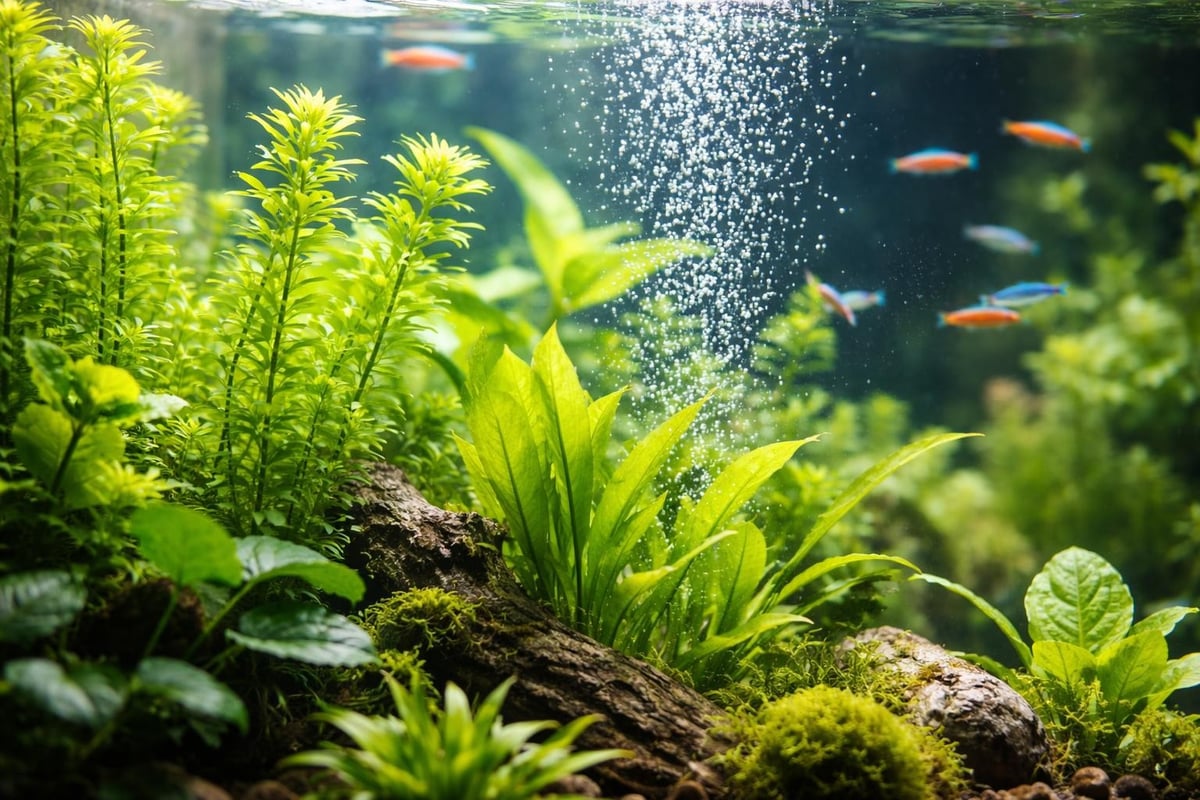
Water plants for fish tanks offer numerous advantages that artificial decorations simply cannot replicate. These living organisms actively participate in your aquarium's nitrogen cycle, absorbing harmful compounds like ammonia and nitrates that accumulate from fish waste. This natural filtration system reduces maintenance requirements and creates healthier water conditions for your aquatic inhabitants.
Beyond water purification, live plants produce oxygen through photosynthesis during daylight hours, supplementing aeration systems and creating a more natural day-night cycle. Fish respond positively to planted environments, displaying more vibrant colors and reduced stress behaviors when surrounded by vegetation that mimics their natural habitats.
Key benefits include:
- Natural biological filtration reducing toxic compounds
- Oxygen production during photosynthetic periods
- Algae prevention through nutrient competition
- Shelter and breeding grounds for fish species
- Enhanced aesthetic appeal with natural movement and color
The psychological impact on fish populations cannot be overstated. Territorial species establish boundaries more effectively, shy fish gain confidence with hiding spots, and breeding pairs find secure locations for spawning activities when appropriate vegetation is available.
Essential Plant Categories for Different Tank Levels
Successful aquascaping involves understanding how different water plants for fish tanks occupy various zones within your aquarium. Strategic placement creates visual depth while ensuring each species receives appropriate light and nutrients based on its natural growth patterns.
Foreground and Carpet Plants
Carpet plants create lush ground coverage that transforms tank bottoms into verdant landscapes. These low-growing species require moderate to high lighting and typically benefit from CO2 supplementation for optimal spreading. Dwarf Sagittaria exemplifies an excellent beginner-friendly carpeting option that tolerates varied water parameters.
Common carpeting choices provide different textures and growth rates:
| Plant Species | Light Requirements | Growth Rate | Difficulty Level |
|---|---|---|---|
| Dwarf Hairgrass | High | Moderate | Intermediate |
| Monte Carlo | Medium-High | Fast | Beginner |
| Dwarf Sagittaria | Medium | Moderate | Beginner |
| Java Moss | Low-Medium | Slow | Beginner |
These species anchor substrates while providing spawning sites for egg-scattering fish species. The carpet plants collection offers diverse options suited to various lighting configurations and aquascaping styles.
Midground Specimens for Visual Interest
Midground plants bridge the gap between carpet coverage and towering background species, creating transitional zones that guide the viewer's eye through your aquascape. Cryptocoryne varieties excel in this role, offering diverse leaf shapes and colors while tolerating lower light conditions than many alternatives.
Popular midground selections:
- Cryptocoryne wendtii (multiple color variants)
- Anubias species (excellent for low-tech setups)
- Smaller Amazon Sword varieties
- Compact stem plants like Rotala
The versatility of Cryptocoryne species makes them particularly valuable for aquarists managing community tanks with varied lighting needs. These hardy plants adapt to different conditions while providing substantial visual impact.
Background and Tall Plants
Tall-growing species create dramatic backdrops while concealing equipment and providing upper-level shelter for fish preferring surface proximity. Vallisneria species produce elegant ribbon-like leaves that sway with water movement, introducing dynamic visual elements that respond to filter currents.
Amazon Sword plants represent quintessential background specimens, developing broad rosettes that can dominate corners or create focal points. Stem plants like Rotala indica offer vertical interest with opportunities for regular pruning to maintain desired heights.
Selecting Plants Based on Lighting Capabilities
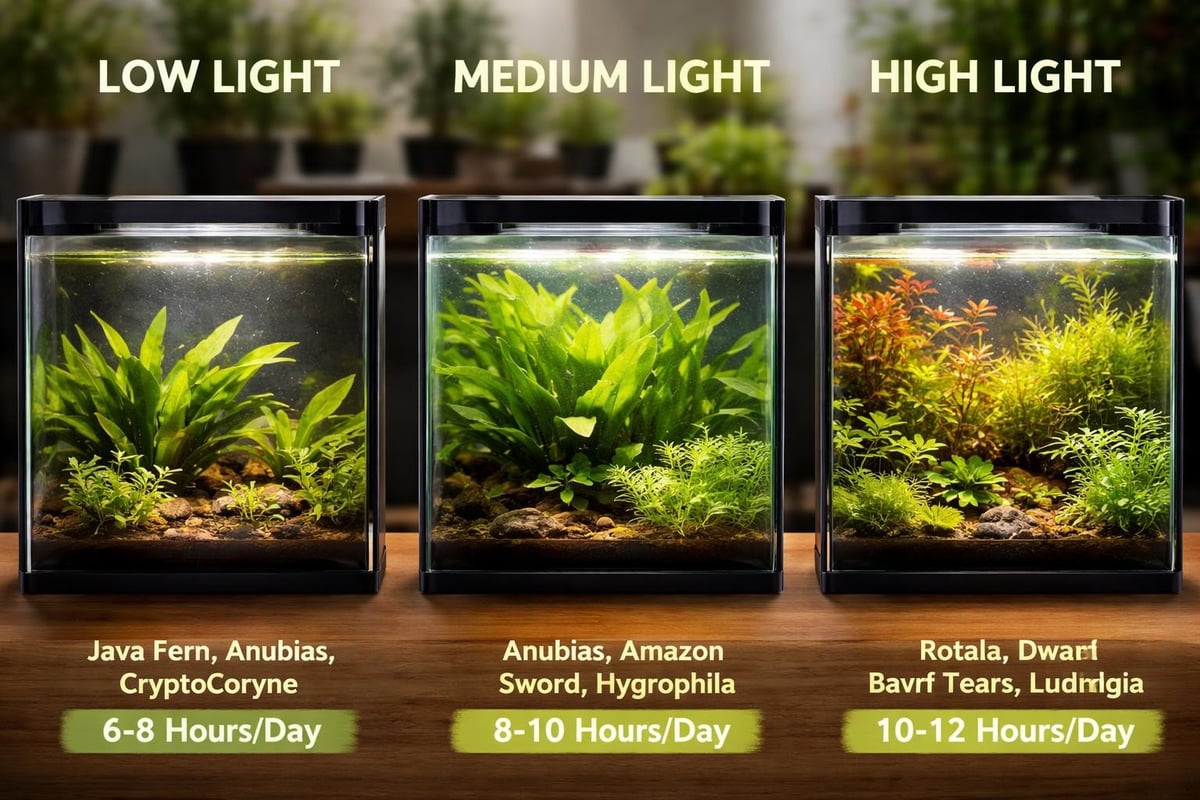
Lighting infrastructure significantly influences which water plants for fish tanks will thrive in your setup. Understanding the relationship between light intensity, spectrum, and plant metabolic requirements prevents frustration from selecting incompatible species. According to Aqueon's care guide, most aquatic plants require 8-10 hours of appropriate spectrum lighting daily.
Low-Light Compatible Species
Aquarists working with basic lighting fixtures or preferring low-maintenance setups benefit tremendously from shade-tolerant species. These plants evolved in forest streams or deeper waters where light penetration remains limited, adapting to survive with minimal photosynthetic resources.
Excellent low-light performers:
- Java Fern (all varieties)
- Anubias (nana, barteri, coffeefolia)
- Cryptocoryne species
- Java Moss
- Hornwort
Anubias varieties deserve special recognition for their nearly indestructible nature under low-light conditions. These rhizome plants grow slowly but steadily, requiring minimal intervention while providing substantial coverage and natural aesthetics.
Medium to High-Light Requirements
Advanced aquascapers pursuing dense growth and vibrant coloration invest in quality lighting systems that support demanding species. These plants reward proper illumination with rapid growth, intense pigmentation, and carpeting behaviors that create stunning displays.
High-light species typically require supplemental nutrients and often benefit from pressurized CO2 injection. The investment in infrastructure pays dividends through accelerated growth rates and access to premium species unavailable to low-tech setups. Stem plants particularly thrive under robust lighting, producing compact growth and brilliant colors.
Water Parameter Considerations for Plant Health
Water chemistry profoundly affects how water plants for fish tanks establish roots, metabolize nutrients, and resist disease pressure. While most aquatic plants tolerate broader parameter ranges than sensitive fish species, optimizing conditions accelerates growth and prevents deficiency symptoms.
pH and Hardness Requirements
Most commonly available aquarium plants thrive in slightly acidic to neutral conditions (pH 6.5-7.5), aligning well with tropical fish preferences. Water hardness affects nutrient availability, with softer water improving iron uptake while harder water provides beneficial minerals like calcium and magnesium.
| Parameter | Ideal Range | Plant Response Outside Range |
|---|---|---|
| pH | 6.5-7.5 | Nutrient lockout, stunted growth |
| GH (General Hardness) | 4-8 dGH | Reduced calcium/magnesium uptake |
| KH (Carbonate Hardness) | 3-8 dKH | pH instability, CO2 inefficiency |
| Temperature | 72-82°F | Metabolic slowdown or stress |
These parameters interconnect, with KH buffering pH changes and influencing CO2 effectiveness. Resources like the Aquarium Co-Op getting started guide emphasize testing and gradual adjustments rather than dramatic water chemistry shifts.
Nutrient Supplementation Strategies
Beyond macronutrients absorbed from fish waste, thriving planted tanks often require supplemental fertilization. Root-feeding plants like Amazon Swords benefit from nutrient-rich substrates or root tabs, while water column feeders absorb dissolved nutrients directly through their leaves.
Essential nutrients for plant growth:
- Nitrogen (N): Protein synthesis and chlorophyll production
- Phosphorus (P): Energy transfer and root development
- Potassium (K): Enzyme activation and osmotic regulation
- Iron (Fe): Chlorophyll formation and electron transport
- Trace elements: Manganese, boron, zinc, copper, molybdenum
Comprehensive liquid fertilizers provide balanced nutrition for mixed plant collections, while specialized products target specific deficiencies indicated by leaf discoloration or growth abnormalities. The water care collection includes products supporting optimal plant nutrition alongside fish health.
Compatibility Between Plants and Fish Species
Selecting water plants for fish tanks requires considering your fish population's behaviors, dietary preferences, and environmental needs. Certain fish species view plants as food sources rather than decorations, while others require dense vegetation to feel secure and display natural behaviors.
Herbivorous Fish Considerations
Goldfish, cichlids, and large characins often damage or consume delicate plants, limiting species options. Hardy varieties with tough leaves or unpalatable compounds resist grazing pressure better than soft-leaved alternatives.
Herbivore-resistant plants:
- Anubias (thick, bitter leaves)
- Java Fern (unpalatable texture)
- Amazon Swords (robust structure)
- Vallisneria (rapid growth outpaces consumption)
For persistent plant-eaters, floating plants offer renewable food sources that satisfy grazing instincts while protecting rooted specimens. Species like duckweed or water lettuce reproduce rapidly enough to sustain moderate herbivory.
Creating Breeding Environments
Many fish species require specific vegetation types for successful spawning. Egg scatterers utilize fine-leaved plants like Java moss as spawning media, while bubble nest builders seek floating plant cover for nest construction. Understanding these reproductive behaviors enhances breeding success rates.
Moss varieties provide ideal spawning substrates for dozens of species, from tetras to killifish. The dense structure protects eggs from adult predation while offering microorganism growth that feeds newly hatched fry.
Planting Techniques and Aquascaping Fundamentals
Proper installation ensures water plants for fish tanks establish quickly and grow according to your design vision. Different plant types require specific planting methods based on their root structures and growth patterns, as detailed by Aquarium Care Basics.
Substrate Preparation and Root Plants
Root-feeding species benefit from nutrient-rich substrates or supplementation with root tabs in inert gravels. Planting depth varies by species, with crown exposure critical for preventing rot in Cryptocoryne and Amazon Sword varieties.
Step-by-step planting process:
- Rinse plants thoroughly to remove shipping residue
- Trim damaged leaves and excessively long roots
- Create appropriate-depth holes using planting tools
- Insert roots while keeping crown at substrate level
- Gently pack substrate around roots without compacting
- Add root tabs near heavy root feeders
The all aquarium plants collection includes diverse species requiring varied planting approaches, from deeply rooted swords to shallow rhizome plants.
Rhizome Plants and Attachment Methods
Anubias, Java Fern, and similar rhizome-based plants must never have their rhizomes buried, as this causes rapid decay. Instead, these species attach to hardscape elements like driftwood or rocks using thread, glue, or their natural attachment structures.
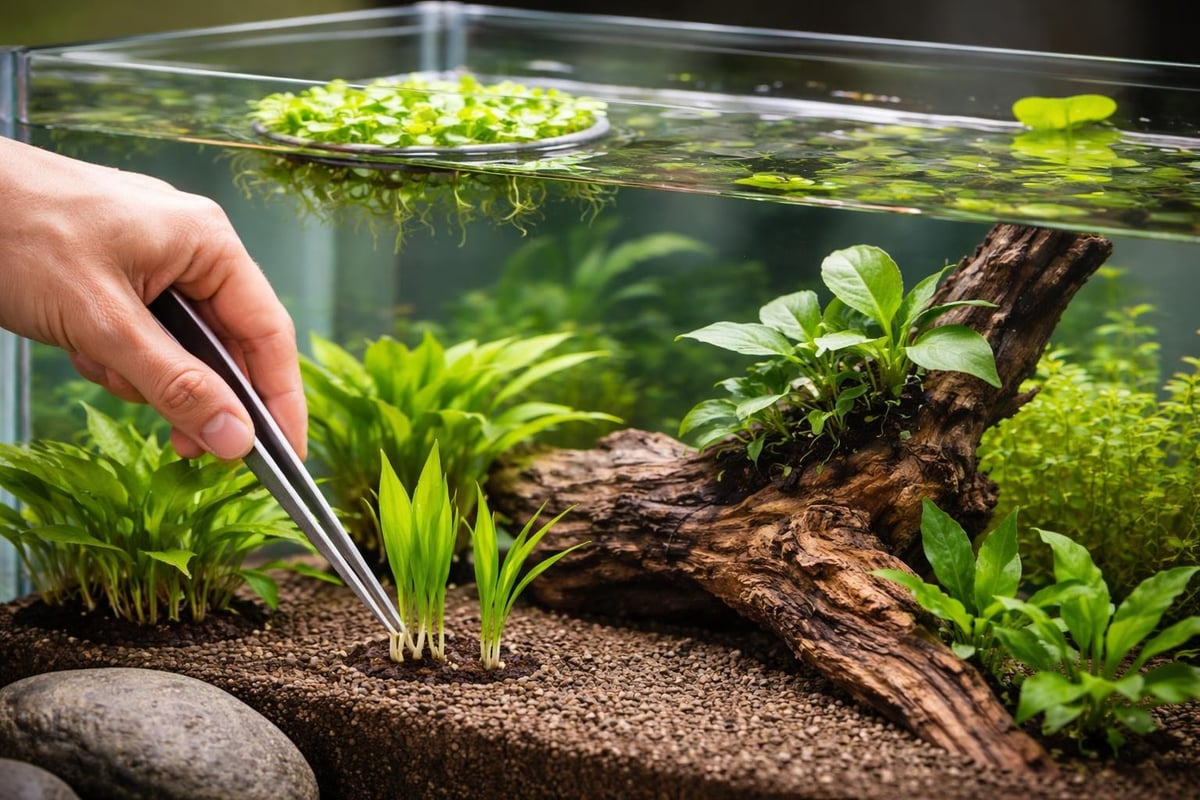
Attachment creates natural-looking displays while preventing displacement from substrate-disturbing fish. Malaysian driftwood provides excellent attachment surfaces with interesting shapes that enhance aquascaping compositions.
Stem Plant Management
Stem plants like Rotala and Ludwigia grow rapidly, requiring regular pruning to maintain desired shapes and prevent excessive shading of lower tank regions. Cuttings from healthy stems propagate easily, allowing expansion of plant coverage or sharing with fellow hobbyists.
Planting stems in small groups creates bushier appearances than single-stem placement. Spacing groups appropriately allows water circulation while creating visual impact. Ludwigia varieties offer spectacular red coloration under proper lighting and nutrient conditions.
Maintenance Requirements and Growth Management
Ongoing care keeps water plants for fish tanks healthy and prevents overgrowth from overwhelming aquarium ecosystems. Maintenance intensity varies significantly based on plant selection, lighting levels, and supplementation strategies employed in your setup.
Pruning and Propagation
Regular trimming maintains plant shapes, removes damaged foliage, and stimulates new growth. Most aquatic plants tolerate aggressive pruning, quickly regenerating from healthy tissue. Removed cuttings often root successfully when replanted, providing cost-effective tank expansion.
Maintenance schedule recommendations:
| Task | Frequency | Purpose |
|---|---|---|
| Dead leaf removal | Weekly | Prevent decay and algae |
| Stem plant trimming | Bi-weekly | Control height and shape |
| Thinning overcrowded areas | Monthly | Improve circulation and light |
| Substrate vacuuming | Bi-weekly | Remove detritus without disturbing roots |
Consistent maintenance prevents minor issues from escalating into major problems requiring complete tank overhauls. The relatively small time investment yields substantial returns in tank appearance and stability.
Algae Prevention Through Plant Competition
Healthy, rapidly growing water plants for fish tanks outcompete algae for nutrients and light, providing natural algae suppression. Dense plant coverage particularly effective against common nuisances like green spot algae and hair algae that plague sparsely planted setups.
Floating plants excel at nutrient absorption, stripping excess compounds from the water column before algae can exploit them. Surface coverage also reduces light penetration, limiting photosynthetic resources available to algae species. Balancing plant density with fish viewing areas requires ongoing adjustment as plants grow.
Advanced Techniques for Experienced Aquarists
Aquarists seeking exceptional results implement advanced strategies that maximize plant health and create competition-level aquascapes. These techniques require additional equipment investment and ongoing attention but produce results exceeding standard approaches.
CO2 Injection Benefits
Pressurized CO2 supplementation dramatically accelerates plant growth while enabling cultivation of demanding species unavailable to low-tech setups. Carbon dioxide enhances photosynthetic efficiency, producing more robust plants with intense coloration and compact growth forms.
CO2 system components:
- Pressurized cylinder with regulator
- Diffuser or reactor for dissolution
- Drop checker for concentration monitoring
- Solenoid valve for automated control
While representing significant upfront investment, CO2 injection transforms planted tank potential. Species previously considered difficult become manageable, and growth rates increase sufficiently to support weekly propagation and trading activities.
Specialty Substrates and Their Impact
Premium aquarium soils provide buffering, nutrient storage, and beneficial bacterial colonization sites that standard gravels cannot match. These substrates gradually release nutrients while lowering pH slightly, creating ideal conditions for acid-preferring species and enhancing nutrient uptake efficiency.
Initial setup costs exceed inert substrates, but longevity and performance justify the investment for serious planted tank enthusiasts. Substrate replacement becomes necessary after 18-24 months as nutrient reserves deplete and buffering capacity diminishes.
Troubleshooting Common Plant Problems
Even experienced aquarists encounter periodic challenges with water plants for fish tanks. Recognizing deficiency symptoms, pest problems, and growth abnormalities enables rapid correction before permanent damage occurs.
Nutrient Deficiency Identification
Visual symptoms indicate specific nutritional shortages, allowing targeted supplementation rather than blanket fertilization. Older leaf yellowing suggests mobile nutrient deficiency (nitrogen, phosphorus, potassium), while new growth problems indicate immobile nutrient issues (iron, calcium, magnesium).
| Symptom | Likely Deficiency | Correction Method |
|---|---|---|
| Overall yellowing | Nitrogen | Increase feeding or add liquid fertilizer |
| Holes in older leaves | Potassium | Comprehensive liquid fertilizer |
| Yellow new growth | Iron | Iron-specific supplement or chelated product |
| Twisted new leaves | Calcium | Increase water hardness or calcium supplement |
Photographic documentation helps track symptom progression and treatment effectiveness. Many deficiencies resolve within two weeks of appropriate supplementation, with new growth displaying healthy coloration.
Managing Melting and Transition Periods
Newly acquired plants often experience "melt" as they adapt to new water parameters and lighting conditions. This normal process involves older leaf death while new growth acclimates to tank conditions. Patience proves essential, as most plants recover completely within 3-4 weeks.
Maintaining stable parameters accelerates acclimation, while dramatic environmental shifts prolong adaptation periods. The plant bundles collection provides cost-effective opportunities to experiment with multiple species while accounting for potential transition losses.
Building Your First Planted Aquarium
Starting your planted tank journey with appropriate water plants for fish tanks sets the foundation for long-term success and enjoyment. Beginning aquarists benefit from focusing on hardy, forgiving species while developing plant care skills and understanding aquarium dynamics.
Beginner-Friendly Starter Species
Certain plants demonstrate exceptional tolerance for beginner mistakes, surviving parameter fluctuations, inconsistent fertilization, and suboptimal lighting that would stress demanding varieties. Building confidence with these species before progressing to challenging plants prevents discouragement and wasted investment.
Recommended starter plants:
- Anacharis (rapid growth, excellent filtration)
- Java Fern (nearly indestructible, low-light tolerant)
- Amazon Sword (impressive size, moderate care)
- Hornwort (versatile placement, fast-growing)
- Cryptocoryne wendtii (color variety, hardy nature)
These species provide immediate visual impact while establishing biological filtration and oxygenation. Success with starter plants builds knowledge applicable to more demanding varieties as experience grows.
Equipment Essentials for Success
Beyond basic filtration and heating, planted tanks benefit from specific equipment supporting plant metabolism and growth. Prioritizing investments based on chosen species and aquascaping goals prevents unnecessary expenditure while ensuring adequate support for your plant selection.
Appropriate spectrum lighting represents the single most critical investment for planted tank success. Full-spectrum LED fixtures designed for plant growth provide necessary wavelengths while maintaining energy efficiency and longevity exceeding traditional fluorescent options.
Selecting appropriate water plants for fish tanks transforms ordinary aquariums into thriving ecosystems that benefit both fish health and visual appeal. Understanding plant categories, care requirements, and compatibility factors enables informed decisions that lead to long-term success regardless of experience level. Canton Aquatics provides farm-direct, high-quality aquatic plants with live arrival guarantees and expert guidance to help you create the stunning planted aquarium you envision, backed by free shipping on orders over $60 and comprehensive educational resources supporting your aquascaping journey.
Ready to Upgrade Your Aquarium?
Check out our shop for a variety of fresh, farm-grown plants! Find the perfect options to enhance your aquarium today.
FEATURED BLOG
Aquarium Plants That Don't Need Substrate: Epiphytes, Floaters & Column Feeders


July 1, 2026
Aquarium Plants That Don't Need Substrate: Epiphytes, Floaters & Column Feeders
Best Pressurized CO2 Systems for Planted Aquariums: 2026 Buyer's Guide


July 1, 2026
Best Pressurized CO2 Systems for Planted Aquariums: 2026 Buyer's Guide
Going on Vacation? How to Keep Your Planted Tank Alive While You're Away


July 1, 2026
Going on Vacation? How to Keep Your Planted Tank Alive While You're Away
How Long Can Aquarium Plants Survive Without Light?


July 1, 2026
How Long Can Aquarium Plants Survive Without Light?
Best Aquarium Plants for Rainbowfish: Colorful Tank Setup Guide


July 1, 2026
Best Aquarium Plants for Rainbowfish: Colorful Tank Setup Guide
Best Aquarium Plants for Pleco Tanks: Hardy Species That Survive


July 1, 2026
Best Aquarium Plants for Pleco Tanks: Hardy Species That Survive
- Choosing a selection results in a full page refresh.

!