


CO2 for Aquarium Plants: Do You Need It? Complete Setup Guide
CO2 injection is the single biggest upgrade you can make to a planted aquarium. It transforms slow-growing, mediocre plant growth into lush, vibrant, magazine-worthy results. But do you actually need it? And if so, how do you set it up without killing your fish? This guide covers everything from "do I need CO2?" to advanced dosing techniques.
Do Aquarium Plants Need CO2 Injection?
Short answer: No—but it helps enormously.
All aquariums have dissolved CO2 from fish respiration and surface gas exchange. Many plants, including beginner species like Anubias, Java Fern, Java Moss, and Hornwort, grow beautifully without supplemental CO2.
CO2 injection becomes valuable when you want:
- Faster growth rates (2–5x faster than without CO2)
- Dense carpet plants (Dwarf Baby Tears, Monte Carlo)
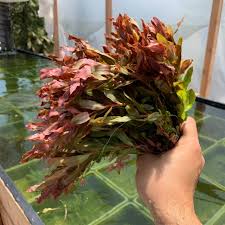
- Vibrant red coloration in species like Rotala, Ludwigia, and Alternanthera
- Reduced algae (healthy, fast-growing plants outcompete algae)
- That professional aquascape look
How CO2 Works in Planted Aquariums
Plants use CO2 + light energy to photosynthesize—converting carbon dioxide and water into sugar (energy) and oxygen. The limiting factor in most aquariums isn't light—it's CO2. Even in a well-lit tank, dissolved CO2 from fish alone only reaches about 3–5 ppm. Most plants grow optimally at 20–30 ppm.
The Light-CO2-Nutrients Triangle
Plant growth depends on three factors working together:
- Light — Drives photosynthesis (the "engine")
- CO2 — Primary building block (the "fuel")
- Nutrients — Essential elements for growth (the "materials")
These must be in balance. High light without adequate CO2 = algae. CO2 without light = wasted gas. When all three are dialed in, plants grow explosively and algae struggles to compete.
CO2 Injection Methods
Pressurized CO2 Systems (Recommended)
The gold standard. A pressurized cylinder filled with liquid CO2 feeds gas through a regulator, solenoid valve, and diffuser into your tank.
| Component | Purpose | Cost Range |
|---|---|---|
| CO2 Cylinder | Stores compressed CO2 (5 lb or 10 lb most common) | $30–80 (refills: $15–25) |
| Regulator + Solenoid | Controls pressure and allows timer-based on/off | $60–200 |
| Bubble Counter | Lets you visually monitor CO2 flow rate | $5–15 |
| Diffuser | Breaks CO2 into fine bubbles for water absorption | $10–30 |
| Drop Checker | Visual CO2 level indicator (changes color) | $5–15 |
| Timer | Turns CO2 on before lights and off at night | $10–20 |
Pros: Consistent output, adjustable, cost-effective long-term, reliable
Cons: Higher upfront cost, requires occasional refills, learning curve for setup
DIY CO2 (Citric Acid + Baking Soda or Yeast)
Budget option using chemical reactions to generate CO2.
Pros: Cheap initial cost ($20–40), no tank refills
Cons: Inconsistent output, harder to control, requires frequent maintenance, not suitable for tanks over 20 gallons
Verdict: Fine for experimenting in small tanks. For anything serious or tanks over 20 gallons, invest in pressurized.
Liquid Carbon (Excel, Easy Carbon)
Not true CO2—these are glutaraldehyde-based products that provide a bioavailable carbon source.
Pros: Easy daily dosing, also kills some algae types, no equipment needed
Cons: Much less effective than gas injection (maybe 10–20% of the benefit), can harm certain sensitive plants (Vallisneria, some mosses), toxic to invertebrates if overdosed
Verdict: A mild supplement, not a replacement for real CO2 injection. Useful in low-tech tanks for a slight growth boost.
How to Set Up Pressurized CO2
Step 1: Choose Your Cylinder Size
- Tanks under 20 gallons: 2.5 lb cylinder (lasts 3–6 months)
- Tanks 20–55 gallons: 5 lb cylinder (lasts 4–8 months)
- Tanks 55+ gallons: 10 lb cylinder (lasts 6–12 months)
Step 2: Install the Regulator
Attach the regulator to the cylinder. The regulator reduces tank pressure (~800 PSI) to working pressure (20–40 PSI). A good regulator includes a needle valve for fine-tuning flow rate and a solenoid for automatic on/off.
Step 3: Set Up the Solenoid Timer
Connect the solenoid to a timer that turns CO2 on 1 hour before your lights turn on and off 30 minutes before lights turn off (or when lights turn off). Plants don't use CO2 in darkness, and running it at night wastes gas and can lower pH dangerously.
Step 4: Install the Diffuser
Place a ceramic or inline diffuser in your tank. Ceramic disc diffusers produce a fine mist of micro-bubbles that dissolve efficiently. Place the diffuser below the filter outlet so water flow carries bubbles throughout the tank.
Step 5: Calibrate with a Drop Checker
Hang a drop checker inside the tank (not near the diffuser). Fill it with 4 dKH reference solution and indicator fluid.
- Blue = CO2 too low (under 20 ppm)
- Green = CO2 ideal (20–30 ppm)
- Yellow = CO2 too high (over 30 ppm—dangerous for fish)
Adjust the bubble rate until the drop checker stays green during your photoperiod. This usually takes a few days of fine-tuning.
Ideal CO2 Levels
| CO2 Level (ppm) | Status | Effect |
|---|---|---|
| 3–5 ppm | Natural (no injection) | Baseline. Low-light plants grow fine. |
| 15–20 ppm | Moderate supplementation | Noticeable improvement in growth rate |
| 20–30 ppm | Optimal range ✅ | Maximum plant growth, safe for fish |
| 30–40 ppm | High | Plants may not benefit further; fish may gasp |
| 40+ ppm | Dangerous ⚠️ | Fish suffocation risk. Reduce immediately. |
CO2 Safety for Fish
CO2 injection lowers pH and reduces dissolved oxygen. Keep your fish safe by:
- Never exceeding 30 ppm (keep the drop checker green, never yellow)
- Running CO2 only during the photoperiod (turning off at night)
- Maintaining adequate surface agitation for oxygen exchange
- Watching for fish gasping at the surface—this means CO2 is too high
- Increasing CO2 gradually over several days rather than all at once
Plants That Benefit Most from CO2
| High Benefit (CO2 Recommended) | Moderate Benefit | Low Benefit (Grows Fine Without) |
|---|---|---|
| Dwarf Baby Tears (HC Cuba) | Cryptocoryne species | Anubias (all varieties) |
| Monte Carlo | Amazon Sword | Java Fern |
| Rotala species (red coloration) | Dwarf Hair Grass | Java Moss |
| Ludwigia Super Red | Vallisneria | Hornwort |
| Alternanthera Reineckii | Pearl Weed | Floating plants |
| Glossostigma | Staurogyne Repens | Most mosses |
The No-CO2 Alternative: Low-Tech Planted Tanks
Not everyone wants to invest in CO2 equipment, and that's perfectly fine. A low-tech planted tank with the right species can look stunning:
- Use plants from the "Low Benefit" column above
- Keep light at moderate levels (6–8 hours/day)
- Accept slower growth as a feature, not a bug (less trimming!)
- Stock with fish to provide natural CO2 through respiration
- Consider liquid carbon as a mild supplement
Browse our low-light plant collection for species that thrive without CO2.
Frequently Asked Questions
Is CO2 injection safe for fish?
Yes, when kept at proper levels (20–30 ppm). Use a drop checker to monitor, run CO2 only during lights-on hours, and increase levels gradually. Fish have been kept successfully with CO2 injection for decades.
How much does a CO2 system cost?
A complete pressurized setup (cylinder, regulator, solenoid, diffuser, timer) costs $120–300 depending on quality. A 5 lb CO2 refill costs $15–25 and lasts 4–8 months. After the initial investment, ongoing costs are minimal.
Can I use CO2 in a shrimp tank?
Yes, but be more careful with levels. Shrimp are sensitive to pH swings caused by CO2. Keep levels at 15–20 ppm instead of 30 ppm, and ensure the drop checker never turns yellow. Stable conditions matter more than high CO2 for shrimp tanks.
Why do I still have algae with CO2?
CO2 alone doesn't prevent algae—it's about balance. If you have high light but inconsistent CO2 (fluctuating levels, end-of-day drop-off), algae exploits those gaps. Ensure CO2 is stable throughout the photoperiod, nutrients are adequate, and light isn't excessive.
Should I run CO2 at night?
No. Plants only use CO2 during photosynthesis (when lights are on). Running CO2 at night wastes gas, lowers pH, and reduces dissolved oxygen when fish need it most. Use a solenoid on a timer to automate this.
Do I need CO2 for a carpet?
It depends on the species. Monte Carlo and Dwarf Sagittaria can carpet without CO2 (slowly). Dwarf Baby Tears and Glossostigma essentially require CO2 for healthy carpet growth. Start with easier species if you want to avoid CO2.
Start Your Planted Tank at Canton Aquatics
Whether you run CO2 or keep it low-tech, great plants are the foundation. Canton Aquatics offers farm-direct aquarium plants with a live arrival guarantee. Free shipping on orders over $60.
Ready to Upgrade Your Aquarium?
Check out our shop for a variety of fresh, farm-grown plants! Find the perfect options to enhance your aquarium today.
FEATURED BLOG
Dwarf Cardinal Plant Care Guide: Lobelia Cardinalis for Planted Aquariums


July 14, 2026
Dwarf Cardinal Plant Care Guide: Lobelia Cardinalis for Planted Aquariums
Aquarium Plants That Don't Need Substrate: Epiphytes, Floaters & Column Feeders


July 1, 2026
Aquarium Plants That Don't Need Substrate: Epiphytes, Floaters & Column Feeders
Best Pressurized CO2 Systems for Planted Aquariums: 2026 Buyer's Guide


July 1, 2026
Best Pressurized CO2 Systems for Planted Aquariums: 2026 Buyer's Guide
Going on Vacation? How to Keep Your Planted Tank Alive While You're Away


July 1, 2026
Going on Vacation? How to Keep Your Planted Tank Alive While You're Away
How Long Can Aquarium Plants Survive Without Light?


July 1, 2026
How Long Can Aquarium Plants Survive Without Light?
Best Aquarium Plants for Rainbowfish: Colorful Tank Setup Guide


July 1, 2026
Best Aquarium Plants for Rainbowfish: Colorful Tank Setup Guide
- Choosing a selection results in a full page refresh.

!