


Floating Water Sprite: Complete Guide for 2026
Ceratopteris thalictroides, commonly known as the floating water sprite, stands as one of the most versatile and beneficial aquatic plants available to aquarium hobbyists in 2026. This remarkable fern-like species offers exceptional water purification capabilities, rapid growth rates, and stunning visual appeal whether left floating at the surface or planted in substrate. For both novice aquarists building their first planted tank and experienced aquascapers creating complex biotopes, understanding the unique characteristics and care requirements of this adaptable plant opens up countless possibilities for creating healthy, thriving aquatic environments.
Understanding the Floating Water Sprite's Natural Characteristics
The floating water sprite belongs to the Pteridaceae family and originates from tropical and subtropical regions across Asia, Africa, and Australia. This aquatic fern demonstrates remarkable adaptability, thriving in slow-moving streams, rice paddies, marshes, and still water bodies throughout its natural range.
Physical Appearance and Growth Patterns
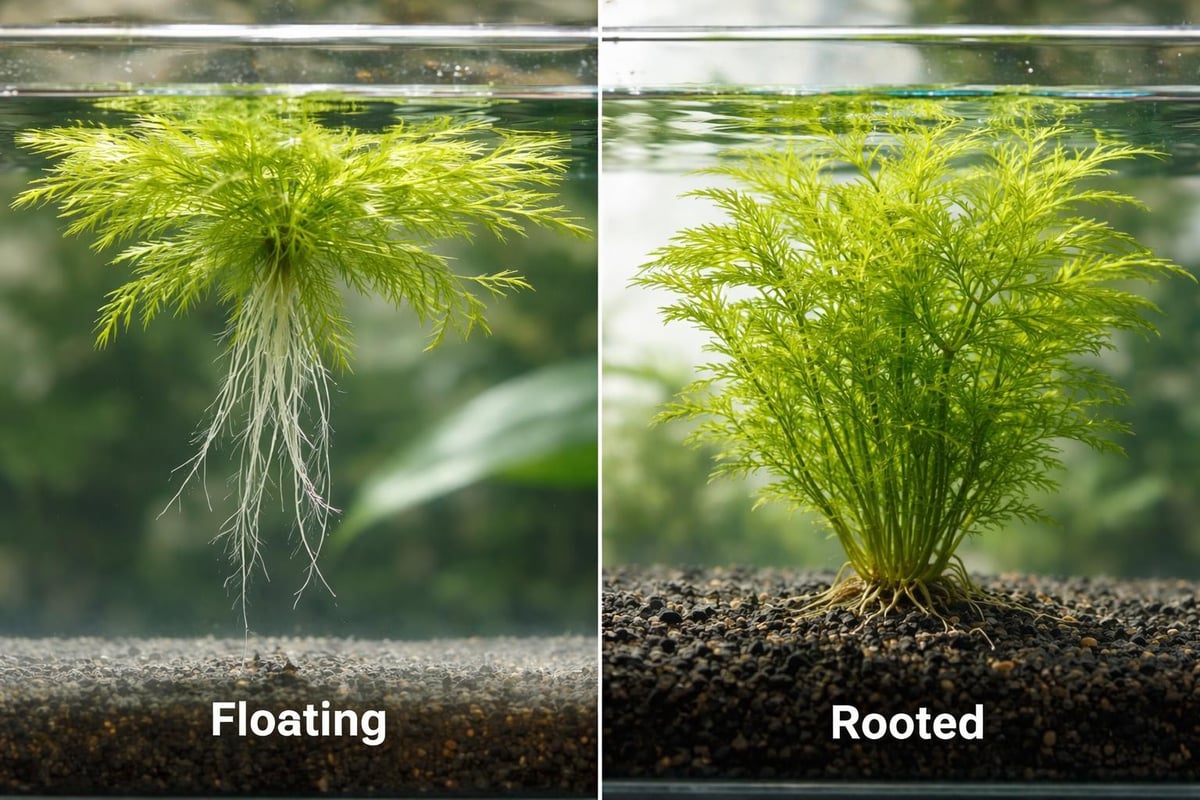
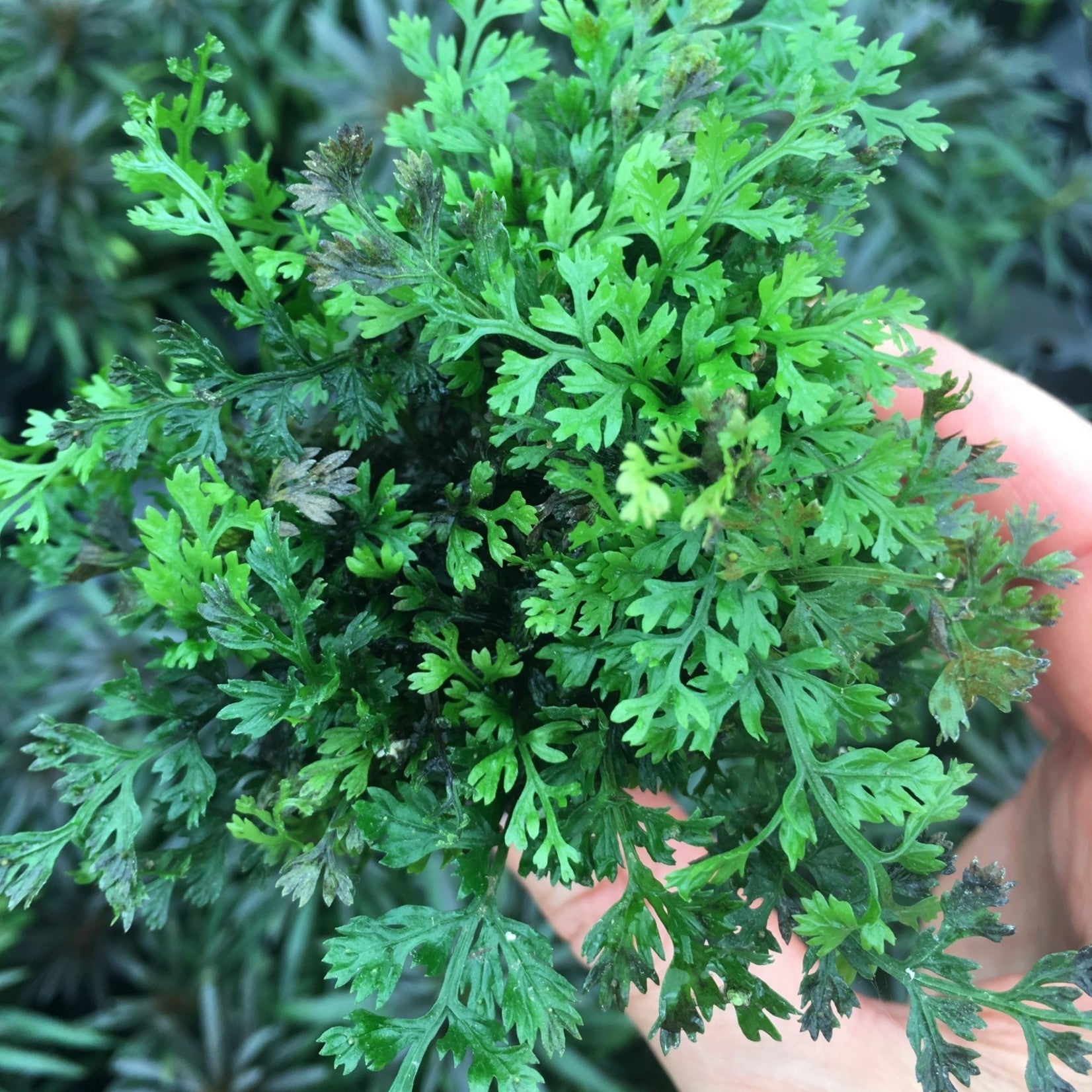
When grown as a floating water sprite, this plant develops a distinctive appearance quite different from its rooted counterpart. The leaves become broader, more rounded, and less divided compared to the fine, feathery foliage seen in planted specimens. This morphological plasticity allows the plant to optimize its structure based on growing conditions.
Key physical characteristics include:
- Bright green to deep green coloration depending on lighting intensity
- Delicate, fern-like leaves with intricate patterns when rooted
- Broader, simpler leaf structure when floating
- Extensive root systems that hang downward from the surface
- Height potential of 12-15 inches when rooted, unlimited spread when floating
The growth rate differences between floating and rooted Water Sprite significantly impact aquascaping decisions, with floating specimens typically growing faster due to increased access to atmospheric CO2.
Water Parameters and Environmental Requirements
This resilient species tolerates a wide range of water conditions, making it ideal for various aquarium setups. The floating water sprite performs best within specific parameters but demonstrates impressive flexibility when conditions shift gradually.
| Parameter | Optimal Range | Acceptable Range |
|---|---|---|
| Temperature | 72-82°F | 68-86°F |
| pH Level | 6.0-7.5 | 5.5-8.0 |
| Water Hardness | 3-8 dGH | 2-15 dGH |
| Lighting | Medium-High | Low-High |
| CO2 Supplementation | Optional | Beneficial |
The plant's tolerance for varying conditions makes it an excellent choice for aquarists exploring different water plants for fish tanks without requiring strict parameter maintenance.
Setting Up Your Aquarium for Floating Water Sprite Success
Creating optimal conditions for the floating water sprite requires thoughtful planning and attention to specific environmental factors. While this plant adapts readily to most aquarium settings, maximizing its benefits demands strategic placement and care.
Lighting Considerations for Maximum Growth
Lighting plays a crucial role in determining growth rate, leaf coloration, and overall plant health. The floating water sprite positioned at the surface receives intense light exposure, potentially blocking illumination from reaching lower plants.
For balanced aquascaping with floating plants, consider these lighting strategies:
- Use moderate to high-intensity lighting (2-3 watts per gallon for traditional bulbs, 30-50 PAR for LED systems)
- Maintain 8-10 hours of daily photoperiod to prevent excessive algae growth
- Create shaded zones by clustering floating water sprite in specific areas
- Rotate plant positions weekly to ensure even light distribution across the tank
- Trim regularly to prevent complete surface coverage that starves lower plants
The relationship between lighting intensity and aquarium plant growth directly affects how aggressively the floating water sprite spreads across your tank's surface.
Water Movement and Surface Agitation
Unlike many floating plants that prefer completely still water, the floating water sprite tolerates gentle water movement. However, excessive surface agitation can damage delicate leaves and prevent proper floating orientation.
Optimal water flow management includes:
- Positioning filter outflows to create circulation below the surface
- Using spray bars to distribute flow horizontally rather than vertically
- Installing baffles on strong filters to reduce surface turbulence
- Creating calm zones using hardscape elements or other plants
- Avoiding powerheads aimed directly at floating plant masses
Propagation Methods and Growth Management
The floating water sprite reproduces prolifically through multiple methods, offering aquarists easy opportunities to expand their plant collection or share specimens with fellow hobbyists. Understanding propagation techniques enables better control over growth patterns and tank aesthetics.
Natural Reproduction Strategies
This species employs several reproduction methods that occur naturally without intervention. Propagation through side shoots and floating fragments happens continuously in healthy specimens, creating new plants that quickly establish themselves.
Primary propagation methods include:
- Adventitious plantlets developing on mature leaves
- Stem fragmentation where broken pieces form new root systems
- Side shoot development from the main stem or rhizome
- Leaf division where individual fronds separate and regenerate
Each method produces viable plants within 7-14 days under proper conditions, demonstrating the species' remarkable resilience and reproductive capacity.
Controlled Propagation Techniques
For aquarists seeking deliberate plant multiplication, controlled propagation offers predictable results and healthier offspring. These techniques work equally well whether growing floating water sprite or rooted specimens.
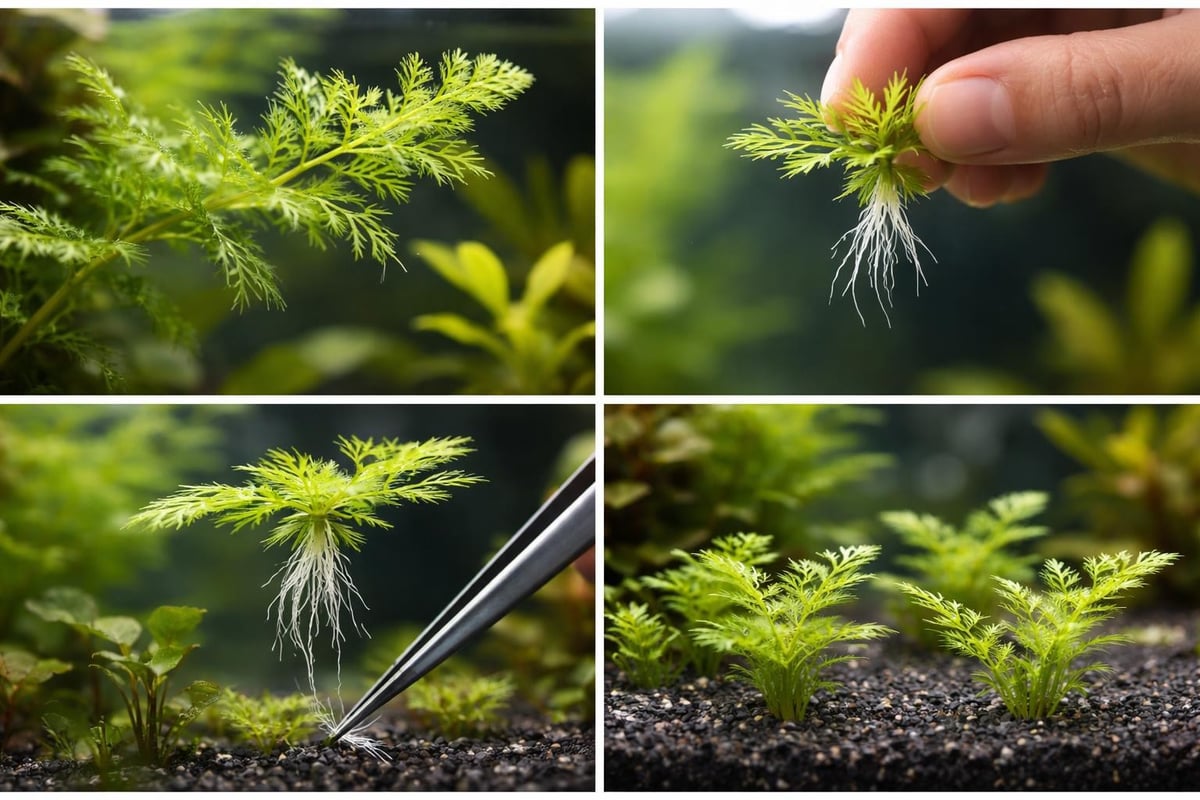
Remove mature leaves showing small plantlets along their edges, then float these separately until roots develop sufficiently. Once roots reach 1-2 inches, the plantlets detach naturally or can be gently separated for placement in new locations.
Alternatively, trim healthy stems to 3-4 inches length, ensuring each cutting includes several leaf nodes. Float these cuttings directly, where they develop roots within one week and begin vertical growth shortly after.
Aquascaping Applications and Design Integration
The floating water sprite serves multiple aesthetic and functional roles in aquarium design, from creating natural-looking biotopes to solving specific environmental challenges. Strategic implementation enhances both visual appeal and ecological balance.
Creating Natural Biotopes and Themed Aquascapes
For aquarists recreating Southeast Asian streams, Amazon tributaries, or African river systems, the floating water sprite provides authentic habitat representation. The benefits of Water Sprite in blackwater and biotope aquariums extend beyond aesthetics to creating psychologically comfortable environments for fish.
Biotope integration strategies include:
- Southeast Asian setups: Combine with cryptocoryne species and smooth river stones
- Amazon-inspired tanks: Pair with stem plants and driftwood
- African river systems: Mix with vallisneria varieties and sandy substrates
- Shallow water margins: Create transitional zones mimicking natural shorelines
Each biotope style benefits from the floating water sprite's ability to create dappled lighting patterns and provide surface refuge for shy species.
Layered Aquascaping with Mixed Growth Forms
Advanced aquascapers leverage the floating water sprite's dual growth capability to create dimensional depth and visual interest. By using both floating and rooted specimens strategically, designers achieve complex layered compositions.
| Layer Position | Plant Form | Visual Effect | Functional Benefit |
|---|---|---|---|
| Surface | Floating | Dappled shadows | Nutrient absorption |
| Mid-water | Transitional | Movement interest | Fry protection |
| Substrate | Rooted | Dense foliage | Lower tank coverage |
| Background | Tall rooted | Vertical emphasis | Equipment concealment |
This multi-layer approach works particularly well in larger aquariums (40+ gallons) where vertical space allows distinct zones without overcrowding.
Water Quality Benefits and Environmental Functions
Beyond aesthetic contributions, the floating water sprite performs critical ecosystem services that improve overall aquarium health. Understanding these functions helps aquarists appreciate the plant's value in maintaining stable water parameters.
Nutrient Uptake and Algae Prevention
The role of Water Sprite in improving water quality stems from its voracious appetite for dissolved nutrients. The floating form, with extensive roots exposed directly to the water column, absorbs nitrates, phosphates, and other compounds that otherwise fuel algae growth.
Measured nutrient reduction rates include:
- Nitrate reduction: 10-20 ppm weekly in established tanks
- Phosphate absorption: 0.5-1.0 ppm weekly under moderate lighting
- Ammonia uptake: Significant during cycling and after water changes
- Heavy metal chelation: Minimal but measurable removal of trace metals
These capabilities make the floating water sprite especially valuable in high bioload aquariums housing goldfish, cichlids, or densely stocked community tanks.
Oxygenation and Gas Exchange
While submerged plants produce oxygen through photosynthesis, the floating water sprite's surface position creates unique gas exchange dynamics. During peak photosynthetic periods, oxygen bubbles visible on leaf surfaces indicate active production that enriches the water column.
Nighttime respiration deserves consideration in heavily planted tanks. The floating water sprite consumes oxygen during dark hours, potentially stressing fish in densely covered aquariums with limited surface agitation. Managing surface coverage to 50-70% maximum prevents oxygen depletion issues.
Fish Compatibility and Habitat Enhancement
The floating water sprite's interaction with aquarium inhabitants extends beyond simple cohabitation to active habitat improvement and behavioral enrichment. Selecting compatible fish species and understanding interaction patterns optimizes benefits for all tank residents.
Ideal Fish Species and Community Combinations
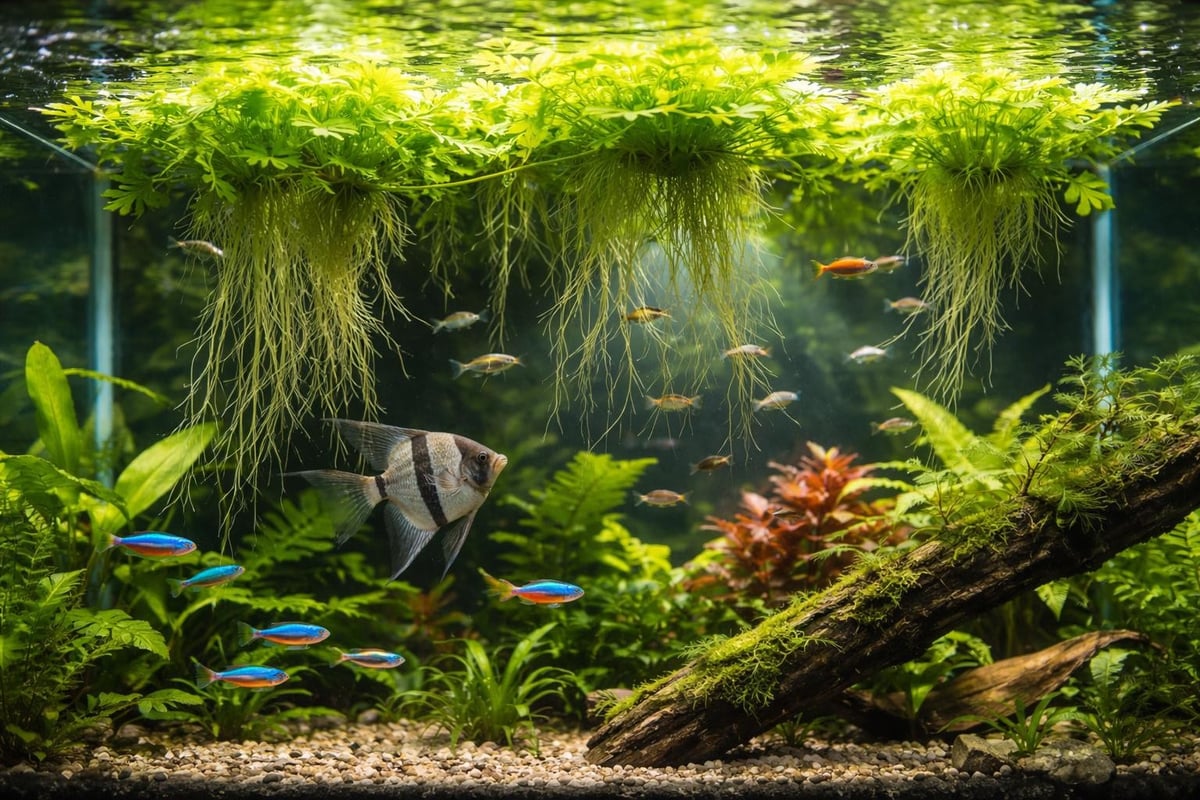
The compatibility of Water Sprite with various fish species depends on behavioral patterns, feeding habits, and environmental preferences. Peaceful community fish, labyrinth breathers, and surface-dwelling species particularly benefit from floating plant coverage.
Highly compatible species include:
- Bettas and gouramis utilizing bubble nests among roots
- Killifish and surface-feeding tetras seeking shade and security
- Dwarf cichlids using plants as territorial boundaries
- Livebearers finding refuge for fry among dense root systems
- Catfish and bottom-dwellers appreciating dimmed lighting conditions
Conversely, large herbivorous species like silver dollars, certain cichlids, and goldfish may consume or uproot the floating water sprite, making them poor tankmates unless the plant is offered as intentional supplemental nutrition.
Breeding Programs and Fry Protection
For aquarists engaged in fish breeding, the floating water sprite provides critical infrastructure for successful reproduction. The dense root mass creates safe zones where fry escape adult predation, significantly improving survival rates.
Breeding applications include:
- Egg scattering species: Roots catch and protect eggs from adult consumption
- Live-bearing fish: Fry immediately access protected surface areas
- Bubble nest builders: Stable anchoring points for nest construction
- Substrate spawners: Dimmed lighting triggers spawning behaviors
- Fry grow-out: Infusoria and microorganisms colonize roots, providing first foods
This functionality makes the floating water sprite indispensable in dedicated breeding setups or community tanks where natural reproduction occurs.
Maintenance Requirements and Care Routines
Despite its hardy nature and rapid growth, the floating water sprite requires regular maintenance to prevent overgrowth and maintain aesthetic appeal. Establishing consistent care routines ensures the plant remains an asset rather than becoming problematic.
Weekly and Monthly Maintenance Tasks
Routine care prevents common issues and maintains optimal plant health throughout the year. The floating water sprite's fast growth necessitates more frequent attention than slower-growing species.
Weekly maintenance includes:
- Removing 25-30% of surface coverage to maintain light penetration
- Inspecting for yellowing or dying leaves indicating nutrient deficiencies
- Checking root development and trimming excessively long roots
- Redistributing plants to prevent stagnant zones
- Testing water parameters for nitrate and phosphate levels
Monthly deep maintenance involves:
- Complete thinning to 40-50% surface coverage maximum
- Removing all dead or deteriorating plant material
- Fertilizing if growth slows or leaves pale
- Inspecting for pest infestations or disease
- Evaluating compatibility with other tank plants
Canton Aquatics' comprehensive aquascaping guides provide additional maintenance strategies for mixed-species planted tanks.
Nutrient Supplementation and Fertilization
While the floating water sprite thrives in nutrient-rich water without supplementation, controlled fertilization optimizes growth in low-bioload or heavily planted tanks. Balancing macronutrients and micronutrients prevents deficiencies while avoiding algae outbreaks.
| Nutrient Type | Deficiency Symptoms | Supplementation Method |
|---|---|---|
| Nitrogen | Pale leaves, slow growth | Liquid fertilizer, fish waste |
| Phosphorus | Dark green leaves, stunted roots | Phosphate supplements |
| Potassium | Holes in leaves, yellow edges | Potassium sulfate |
| Iron | Yellowing between veins | Chelated iron supplements |
| Micronutrients | Various discolorations | Complete trace element mix |
Liquid fertilizers applied weekly at half recommended dosage typically provide sufficient nutrition for the floating water sprite without overfeeding and causing algae problems.
Troubleshooting Common Problems and Solutions
Even hardy plants like the floating water sprite occasionally experience issues requiring diagnosis and intervention. Recognizing symptoms early and implementing appropriate solutions prevents minor problems from becoming major setbacks.
Yellowing Leaves and Growth Stunting
Yellow or pale leaves indicate nutrient deficiencies, inadequate lighting, or water quality issues. Systematic troubleshooting identifies the root cause and guides corrective action.
Diagnostic steps include:
- Testing nitrate levels (should be 5-20 ppm for optimal growth)
- Measuring light intensity at the surface (minimum 30 PAR recommended)
- Checking for iron deficiency through new leaf examination
- Evaluating recent water changes or parameter shifts
- Inspecting for pest damage or disease symptoms
Addressing yellowing typically requires adjusting fertilization schedules, increasing lighting duration or intensity, or modifying water change routines to maintain stable nutrient levels.
Melting and Deterioration Issues
Sudden plant melting where leaves disintegrate rapidly signals environmental stress or dramatic parameter changes. The floating water sprite generally adapts well, but extreme shifts trigger protective responses including mass leaf loss.
Common melting triggers include temperature fluctuations exceeding 10°F within 24 hours, pH swings of more than 1.0 units, introduction to tanks with significantly different water chemistry, or exposure to copper-based medications. Recovery requires stabilizing conditions and allowing the plant time to acclimate and regenerate.
Healthy root systems typically produce new growth within 7-10 days after environmental stabilization. Remove deteriorating leaves to prevent fouling water quality during the recovery period.
Pest Management and Disease Prevention
While less susceptible to pests than many aquarium plants, the floating water sprite occasionally hosts snails, planaria, or beneficial organisms. Distinguishing between problematic infestations and harmless hitchhikers prevents unnecessary interventions.
Common inhabitants include:
- Pond snails: Generally beneficial for consuming algae and debris
- Ramshorn snails: Helpful clean-up crew unless populations explode
- Daphnia: Excellent live food for fish, harmless to plants
- Hydra: Potential threat to small fry, requires specific removal
- Algae: Normal in small amounts, problematic when excessive
Most hitchhikers require no intervention unless populations become unbalanced. For problematic pests, manual removal, controlled fish introduction (like assassin snails for snail control), or brief hydrogen peroxide dips provide effective solutions without harsh chemicals.
Advanced Techniques and Professional Tips
Experienced aquascapers employ sophisticated methods to maximize the floating water sprite's potential in competition-quality aquascapes and specialized setups. These advanced techniques build on fundamental care knowledge to achieve exceptional results.
Creating Defined Floating Islands
Rather than allowing random surface distribution, professional aquascapers create intentional floating islands that guide viewer attention and control light patterns precisely. Clear fishing line, suction cups, or custom acrylic barriers contain the floating water sprite in specific zones.
This technique works particularly well in rimless aquariums where aesthetic purity matters and in photography setups requiring consistent lighting conditions. The defined boundaries also facilitate maintenance by preventing plant spread into areas designated for surface feeding or equipment access.
Transitional Growth from Floating to Rooted
Advanced practitioners manipulate the floating water sprite's growth form by gradually transitioning plants between floating and rooted states. This technique creates unique mid-water installations and produces specimens with characteristics of both growth forms.
Begin with healthy floating plants possessing 3-4 inch root systems. Gently anchor roots in substrate using plant weights or tucking between hardscape elements. Over 2-3 weeks, the plant adapts by developing more divided, feathery leaves characteristic of rooted specimens while maintaining some floating growth characteristics.
This transitional state produces visually striking plants perfect for mid-ground placements in Dutch-style aquascapes or nature aquariums requiring dimensional complexity. Exploring different fern-like aquarium plants alongside transitional water sprite creates compelling textural contrasts.
The floating water sprite represents an ideal combination of beauty, functionality, and ease of care that benefits aquariums from beginner setups to advanced aquascapes. Its remarkable nutrient absorption, versatile growth patterns, and compatibility with diverse fish species make it an invaluable addition to any planted aquarium. Whether you're establishing your first planted tank or refining an established ecosystem, quality plants make all the difference. Canton Aquatics provides farm-direct floating water sprite and a comprehensive selection of aquatic plants backed by expert guidance, live arrival guarantee, and free shipping on orders over $60 to help you create the thriving aquatic environment you envision.
Ready to Upgrade Your Aquarium?
Check out our shop for a variety of fresh, farm-grown plants! Find the perfect options to enhance your aquarium today.
FEATURED BLOG
Aquarium Plants That Don't Need Substrate: Epiphytes, Floaters & Column Feeders


July 1, 2026
Aquarium Plants That Don't Need Substrate: Epiphytes, Floaters & Column Feeders
Best Pressurized CO2 Systems for Planted Aquariums: 2026 Buyer's Guide


July 1, 2026
Best Pressurized CO2 Systems for Planted Aquariums: 2026 Buyer's Guide
Going on Vacation? How to Keep Your Planted Tank Alive While You're Away


July 1, 2026
Going on Vacation? How to Keep Your Planted Tank Alive While You're Away
How Long Can Aquarium Plants Survive Without Light?


July 1, 2026
How Long Can Aquarium Plants Survive Without Light?
Best Aquarium Plants for Rainbowfish: Colorful Tank Setup Guide


July 1, 2026
Best Aquarium Plants for Rainbowfish: Colorful Tank Setup Guide
Best Aquarium Plants for Pleco Tanks: Hardy Species That Survive


July 1, 2026
Best Aquarium Plants for Pleco Tanks: Hardy Species That Survive
- Choosing a selection results in a full page refresh.

!