


Red Moss Aquarium: Complete Care and Setup Guide
Creating a stunning red moss aquarium requires understanding the unique characteristics and care requirements of these vibrant aquatic plants. Unlike traditional green mosses commonly found in freshwater setups, red moss species bring a distinctive burgundy or crimson hue that adds dramatic contrast to aquascapes. These specialized plants, often varieties of Caloglossa beccarii or similar red algae species, demand specific conditions to thrive and maintain their striking coloration. Whether you're designing a nature aquarium, creating a biotope setup, or simply adding visual interest to your tank, mastering red moss cultivation opens new possibilities for aquascaping creativity.
Understanding Red Moss Species for Aquariums
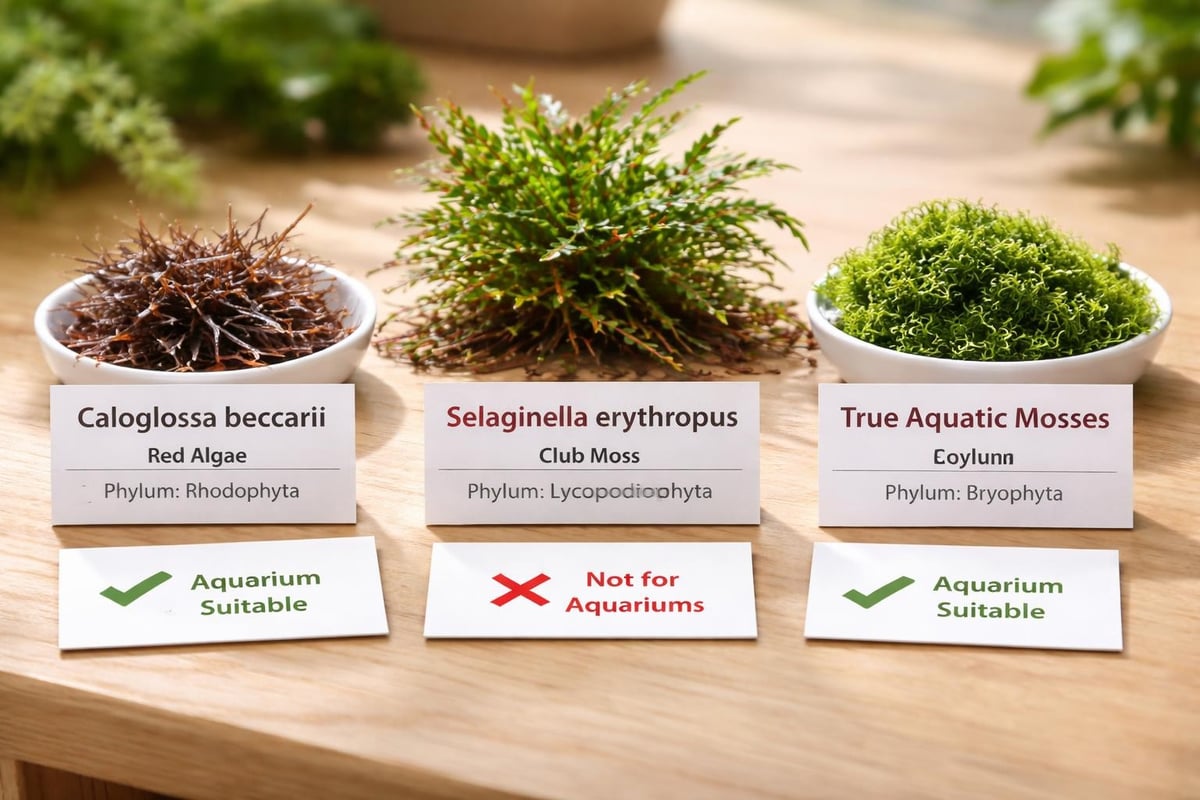
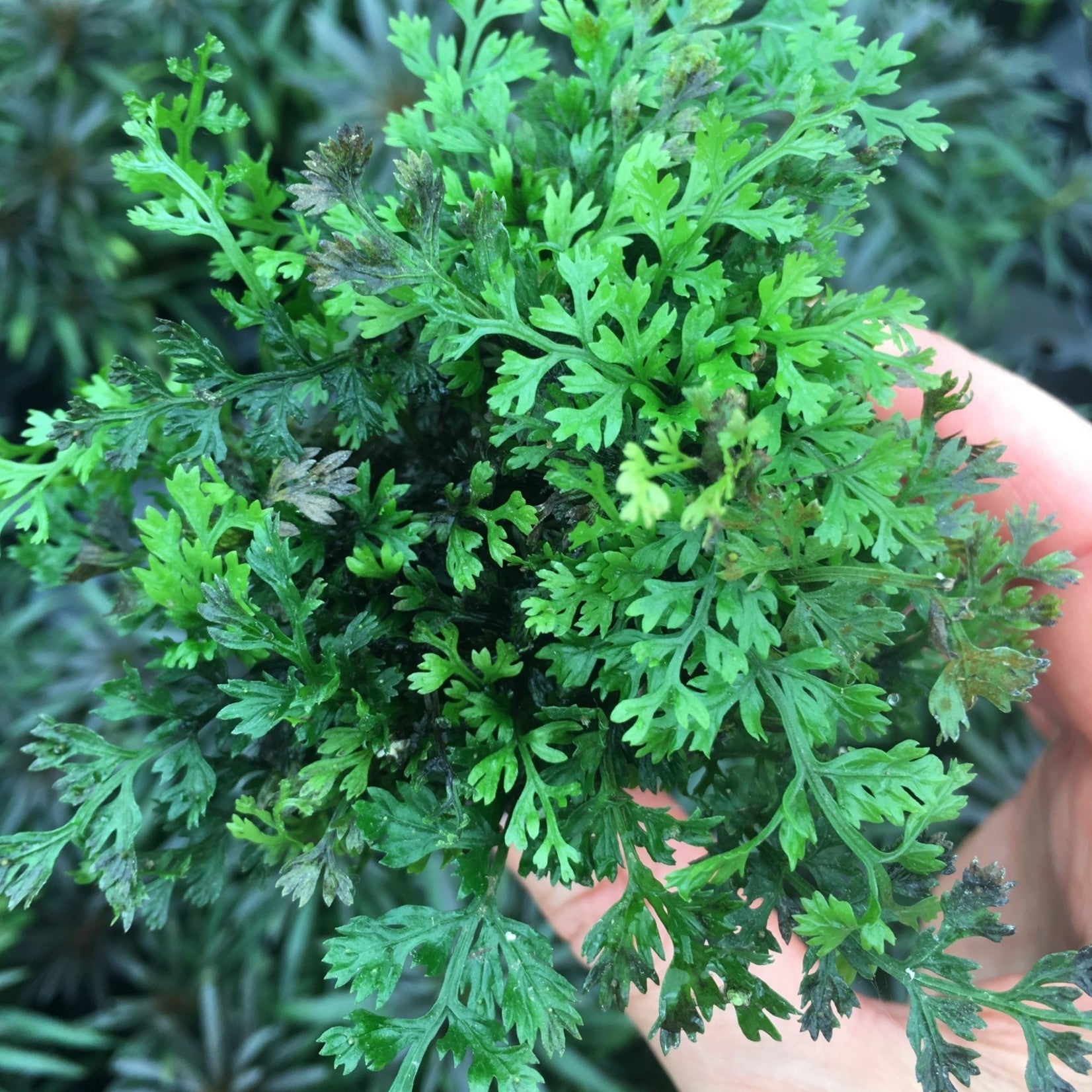
Red moss encompasses several species that aquarium enthusiasts group under this common name, though technically many are red algae rather than true mosses. The most popular variety in the aquarium trade is *Caloglossa beccarii*, a red macroalga that adapts well to freshwater conditions despite its marine origins.
Key Species and Varieties
The red moss aquarium hobby primarily features three distinct types of plants labeled as "red moss":
- Caloglossa beccarii: A true red algae with feathery, branching structures
- Ruby Red Club Moss (Selaginella erythropus): Better suited for terrariums and paludariums
- Specialized cultivated varieties: Developed through selective breeding for enhanced coloration
Each species presents different growth patterns and requirements. Caloglossa beccarii grows in delicate, lacy formations that create texture and depth in aquascapes. This species thrives in brackish to freshwater conditions, making it versatile for various tank setups.
Natural Habitat and Adaptations
Understanding where red moss naturally occurs helps replicate ideal conditions in captivity. Caloglossa beccarii inhabits coastal mangrove environments, tidal pools, and estuarine zones where freshwater meets saltwater. These transitional ecosystems experience fluctuating salinity levels, moderate to strong water movement, and variable light conditions.
The plant's ability to tolerate salinity changes makes it remarkably adaptable to aquarium life. Research on red seaweed physiology demonstrates how these organisms regulate internal chemistry to survive environmental shifts. This resilience translates to forgiveness in aquarium care, though maintaining optimal parameters yields the best coloration and growth rates.
Setting Up Your Red Moss Aquarium Environment
Successful red moss cultivation begins with proper tank establishment and parameter management. These plants require specific conditions that differ from typical aquarium moss species found in freshwater setups.
Water Parameters and Chemistry
| Parameter | Ideal Range | Acceptable Range |
|---|---|---|
| Temperature | 72-78°F | 68-82°F |
| pH | 6.5-7.5 | 6.0-8.0 |
| Salinity | 1.005-1.010 | 1.000-1.015 |
| Hardness (GH) | 5-12 dGH | 3-15 dGH |
| Alkalinity (KH) | 3-8 dKH | 2-10 dKH |
Maintaining stability matters more than hitting exact numbers. Red moss tolerates gradual parameter shifts but struggles with sudden changes. Weekly water changes of 20-30% help maintain consistency while removing accumulated organic waste.
Salinity represents a unique consideration for red moss aquarium setups. While many aquarists successfully keep Caloglossa in pure freshwater, adding marine salt at 1-2 teaspoons per gallon enhances coloration and vigor. This low-salinity brackish environment supports the plant's natural physiology without requiring full marine setup complexity.
Lighting Requirements for Optimal Coloration
Red moss develops its characteristic burgundy coloration under appropriate lighting conditions. Insufficient light causes the plant to fade toward brown or green, while excessive intensity promotes nuisance algae growth without necessarily improving moss health.
Recommended lighting specifications:
- Intensity: Medium to high (40-80 PAR at substrate level)
- Duration: 8-10 hours daily with consistent timing
- Spectrum: Full spectrum with enhanced red and blue wavelengths (6500-8000K)
- Photoperiod stability: Consistent daily schedule prevents stress
Modern LED fixtures designed for planted aquariums work exceptionally well for red moss cultivation. Look for adjustable spectrum options that allow fine-tuning red wavelengths to enhance pigmentation. The comprehensive aquarium care guide from Canton Aquatics provides additional insights into lighting selection for various plant types.
Planting and Attachment Techniques
Unlike rooted plants that anchor in substrate, red moss attaches to hardscape materials through specialized holdfast structures. Proper attachment ensures stable growth and prevents fragments from floating or being disturbed by fish activity.
Substrate and Hardscape Selection
Red moss grows best when attached to porous surfaces that provide grip for holdfasts. Ideal attachment points include:
- Lava rock (highly porous with excellent texture)
- Driftwood (especially Malaysian and Mopani varieties)
- Rough river rocks and slate pieces
- Mesh screens or stainless steel grids
The detailed guide to aquarium driftwood explains how different wood types interact with aquatic plants. Rough, textured surfaces facilitate faster attachment compared to smooth stones or polished materials.
Step-by-Step Attachment Process
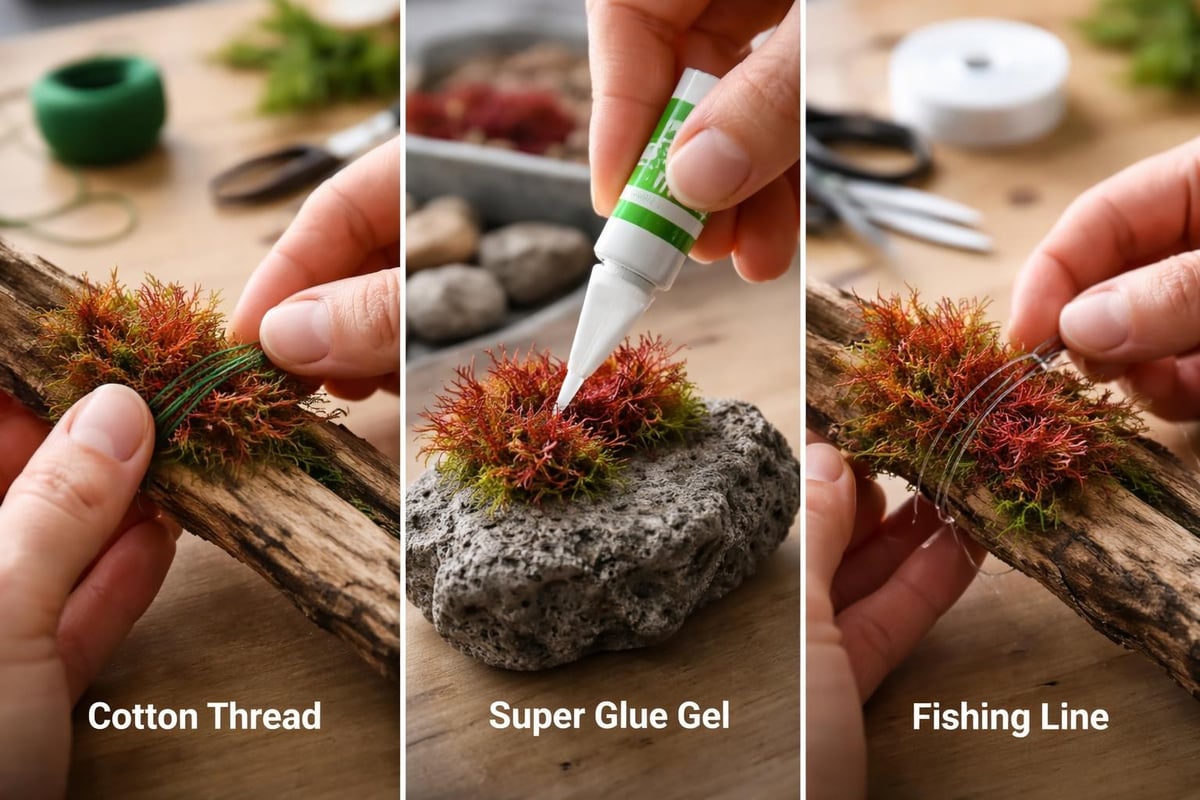
Method 1: Cotton Thread Binding
- Select healthy red moss portions with intact holdfasts
- Position moss against chosen hardscape surface
- Wrap cotton thread around attachment point in crisscross pattern
- Secure thread tightly but avoid crushing delicate fronds
- Thread naturally decomposes within 2-4 weeks as holdfasts establish
Method 2: Cyanoacrylate Gel Application
For faster establishment, aquarium-safe super glue gel creates immediate bonds. Apply small gel dots to rock or wood, press moss firmly against adhesive, and hold for 15-20 seconds. This method works particularly well for vertical surfaces where thread might slip.
Initial Establishment Period
Newly planted red moss requires 3-6 weeks to fully establish. During this period, minimize water flow disturbance near attachment points and avoid excessive handling. According to the comprehensive red moss care guide, patience during establishment prevents detachment issues that plague rushed installations.
Monitor attachment progress by gently testing holdfast security after two weeks. Properly established moss resists light pulling, while loose sections require re-attachment before they detach completely.
Maintenance and Long-Term Care
A thriving red moss aquarium demands consistent maintenance routines that preserve water quality while supporting plant health. These practices differ slightly from standard aquarium plant maintenance due to red moss's unique biology.
Nutrient Requirements and Supplementation
Red moss absorbs nutrients directly from the water column rather than through roots. This feeding strategy requires balanced liquid fertilization:
| Nutrient | Frequency | Concentration |
|---|---|---|
| Nitrogen (NO3) | Weekly | 5-10 ppm |
| Phosphate (PO4) | Weekly | 0.5-1.0 ppm |
| Potassium (K) | Twice weekly | 10-15 ppm |
| Iron (Fe) | Weekly | 0.1-0.5 ppm |
| Trace elements | Weekly | Manufacturer recommended |
Avoid over-fertilization, which promotes competing algae growth rather than enhanced moss development. Start with half-strength doses and increase gradually based on plant response.
Pruning and Propagation Strategies
Regular pruning maintains red moss density and prevents overgrowth that blocks light to lower layers. Use sharp scissors to trim overgrown sections, making clean cuts that minimize tissue damage.
Propagation occurs through simple division. Healthy trimmed sections develop new holdfasts when attached to fresh surfaces using previously described methods. This natural reproduction allows expanding red moss coverage throughout your aquarium or sharing with fellow hobbyists.
Propagation success factors:
- Select vigorous, well-colored portions for division
- Ensure minimum 2-3 cm length for viable fragments
- Attach new sections within 30 minutes of cutting
- Maintain stable parameters during establishment phase
Common Growth Challenges
Color Fading Issues
Brown or greenish discoloration indicates insufficient light intensity or spectrum imbalance. Increase lighting gradually or adjust spectrum toward red wavelengths. Adding trace iron supplements often restores burgundy pigmentation within two weeks.
Slow Growth or Recession
Stagnant growth patterns suggest nutrient deficiency or poor water circulation. Studies on aquatic moss stress responses reveal how environmental factors impact growth rates. Test water parameters, adjust fertilization, and ensure adequate flow reaches moss surfaces.
Competing Algae Growth
Green hair algae or cyanobacteria outcompeting red moss signals imbalanced conditions. Reduce photoperiod to 6-8 hours temporarily, increase water changes to 40% weekly, and manually remove visible algae during maintenance sessions.
Design Applications and Aquascaping Techniques
The distinctive coloration of red moss aquarium installations creates striking visual contrasts that elevate aquascape aesthetics. Strategic placement maximizes this unique plant's impact within your overall design.
Foreground and Midground Applications
Red moss excels in creating textured focal points throughout aquascapes. Attach clusters to prominent rocks in the midground to draw viewer attention, or create carpeting effects across foreground stones for depth perception.
Design composition strategies:
- Contrast pairing: Position red moss near green carpet plants for color complementarity
- Layering technique: Build vertical interest by stacking moss-covered rocks
- Negative space: Allow gaps between clusters to prevent overwhelming visual density
- Natural randomness: Avoid symmetrical patterns for authentic biotope appearance
Companion Plants and Tankmates
Selecting compatible plants enhances overall aquarium harmony while supporting red moss health. Consider these proven combinations:
Complementary plant species:
- Java fern varieties for contrasting leaf shape
- Anubias species for bold foliage texture
- Cryptocoryne varieties for foreground interest
- Floating plants to diffuse intense lighting
Fish selection matters for red moss aquarium success. Avoid aggressive diggers or plant-eating species that damage delicate fronds. Peaceful community fish like tetras, rasboras, and dwarf shrimp make ideal tankmates that won't disturb moss growth.
Biotope and Theme Concepts
Red moss suits several authentic biotope recreations:
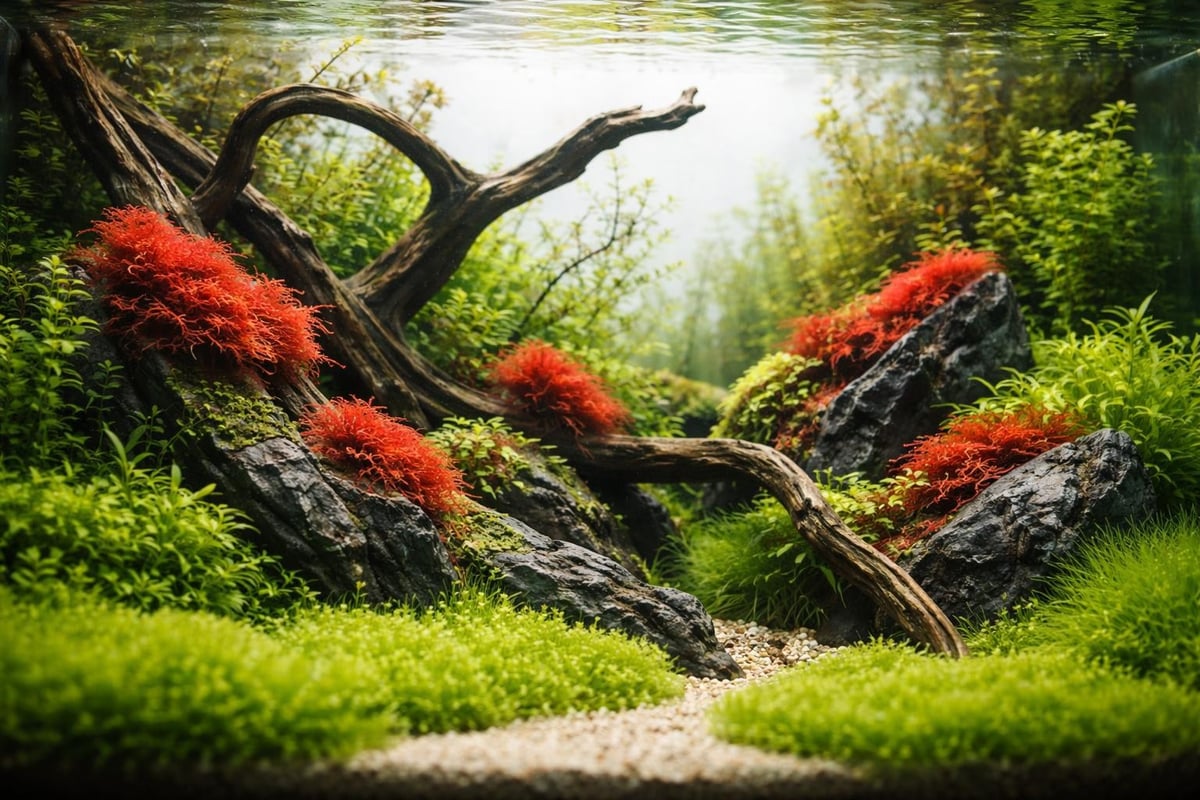
Mangrove estuary theme: Combine red moss with brackish-tolerant plants and driftwood arrangements mimicking coastal root systems. This setup celebrates the plant's natural habitat while creating educational displays.
Iwagumi rock garden variation: Replace traditional green moss with red varieties on carefully positioned stones, creating a bold twist on classic Japanese aquascaping styles.
Coral reef inspiration: Use red moss coloration to evoke reef aesthetics in freshwater setups, pairing with colorful fish and strategic rock formations.
Advanced Techniques for Experienced Aquascapers
Seasoned aquarium enthusiasts can push red moss cultivation boundaries through specialized approaches that maximize growth quality and visual impact.
Emersed Growth and Paludarium Applications
Red moss adapts to emersed (above-water) growth in high-humidity environments. Paludarium setups with consistent 80%+ humidity support healthy development above the waterline, creating vertical growing opportunities.
Emersed cultivation requirements:
- Constant misting or fog systems maintaining moisture
- Reduced light intensity compared to submersed growth
- Higher air circulation preventing fungal issues
- Gradual transition period for submersed-to-emersed conversion
The terrarium plants collection showcases various species suitable for similar growing conditions, though red moss requires special attention to humidity maintenance.
CO2 Injection Benefits and Considerations
While red moss grows adequately without supplemental carbon dioxide, CO2 injection accelerates growth rates and enhances coloration intensity. Target 20-30 ppm dissolved CO2 during photoperiod hours.
CO2 system setup parameters:
| Component | Specification |
|---|---|
| Injection rate | 1-2 bubbles per second |
| Diffusion method | In-line reactor or ceramic diffuser |
| pH drop | 0.5-0.8 units during injection |
| Monitoring | Drop checker with 4dKH reference solution |
Balance CO2 supplementation with adequate surface agitation during night hours to prevent oxygen depletion. Fish health always takes priority over maximized plant growth.
Water Flow and Circulation Patterns
Moderate water movement benefits red moss by delivering nutrients while removing metabolic waste. Position powerheads or filter outputs to create gentle laminar flow across moss surfaces without creating excessive turbulence that damages delicate structures.
Optimal flow rates provide visible frond movement without flattening or tearing tissue. Adjust return nozzles or add circulation pumps rated at 5-10x tank volume hourly for ideal conditions.
Health Monitoring and Problem Resolution
Maintaining long-term red moss aquarium success requires vigilant observation and prompt intervention when issues arise. Early detection prevents minor problems from escalating into major setbacks.
Visual Health Indicators
Healthy red moss displays:
- Deep burgundy to crimson coloration throughout fronds
- Firm texture resisting gentle manipulation
- Active holdfasts firmly gripping surfaces
- New growth at branch tips showing lighter coloration
- No visible melting or tissue deterioration
Warning signs requiring attention:
- Brown or black patches indicating tissue death
- Slimy coating suggesting bacterial issues
- Translucent or bleached areas showing stress
- Detachment from previously secure positions
- Excessive debris accumulation within structure
Research on aquatic plant biomonitoring capabilities demonstrates how environmental changes impact plant health indicators. Regular photographic documentation helps track subtle changes over time.
Integrated Pest Management
While red moss resists most common aquarium pests, occasional issues require management strategies.
Snail control approaches:
Nerite and Malaysian trumpet snails generally ignore red moss tissue, making them safe cleanup crew members. Bladder and pond snails occasionally consume stressed moss but leave healthy specimens alone. Manual removal during maintenance prevents population explosions.
Algae competition solutions:
Green spot algae coating red moss surfaces indicates phosphate imbalance. Reduce feeding quantity, increase water change frequency, and consider phosphate-removing media in filter systems. Manual spot-cleaning with soft brushes removes surface accumulations without damaging underlying moss.
Recovery Protocols for Stressed Plants
When red moss shows decline symptoms, implement systematic recovery procedures:
- Test all water parameters: Identify specific deficiencies or excesses
- Increase water change frequency: Perform 25% changes every 3-4 days
- Remove dead or dying sections: Prevent decomposition from impacting water quality
- Adjust lighting intensity: Reduce to 60% normal output during recovery
- Enhance circulation: Ensure adequate flow reaching affected areas
Most stressed red moss recovers within 2-3 weeks under improved conditions. Patience and consistent care yield better results than drastic interventions that create additional stress.
Seasonal Considerations and Year-Round Success
Red moss aquarium maintenance evolves with seasonal temperature fluctuations and environmental changes affecting your home's ambient conditions.
Temperature Management Strategies
Summer heat challenges require proactive cooling approaches. Evaporative cooling through increased surface agitation lowers water temperature 2-4°F below room temperature. Aquarium chillers provide precise control for serious enthusiasts maintaining multiple tanks.
Winter heating stability matters equally. Position tanks away from drafty windows and exterior walls. Quality heaters with built-in thermostats maintain consistent temperatures despite ambient fluctuations.
Photoperiod Adjustments
While aquarium lighting operates independently of natural daylight cycles, seasonal changes in room ambient light influence overall tank conditions. Consider these adjustments:
Summer months: Reduce photoperiod duration by 30-60 minutes to compensate for longer natural daylight exposure entering the room.
Winter months: Maintain standard 8-10 hour photoperiod since reduced natural light doesn't contribute to unwanted algae growth.
Programmable timers ensure consistency regardless of manual oversight. This automation prevents the irregular photoperiods that stress plants and promote nuisance algae.
Successfully cultivating a red moss aquarium combines scientific understanding with artistic vision, creating living displays that captivate through unique coloration and texture. Mastering water chemistry, lighting optimization, and maintenance routines ensures these distinctive plants thrive while enhancing your aquascape's visual impact. Whether you're establishing your first red moss setup or expanding an existing collection, Canton Aquatics provides high-quality aquatic plants with expert support, live arrival guarantees, and the educational resources needed to create thriving aquatic environments that bring your vision to life.
Ready to Upgrade Your Aquarium?
Check out our shop for a variety of fresh, farm-grown plants! Find the perfect options to enhance your aquarium today.
FEATURED BLOG
Dwarf Cardinal Plant Care Guide: Lobelia Cardinalis for Planted Aquariums


July 14, 2026
Dwarf Cardinal Plant Care Guide: Lobelia Cardinalis for Planted Aquariums
Aquarium Plants That Don't Need Substrate: Epiphytes, Floaters & Column Feeders


July 1, 2026
Aquarium Plants That Don't Need Substrate: Epiphytes, Floaters & Column Feeders
Best Pressurized CO2 Systems for Planted Aquariums: 2026 Buyer's Guide


July 1, 2026
Best Pressurized CO2 Systems for Planted Aquariums: 2026 Buyer's Guide
Going on Vacation? How to Keep Your Planted Tank Alive While You're Away


July 1, 2026
Going on Vacation? How to Keep Your Planted Tank Alive While You're Away
How Long Can Aquarium Plants Survive Without Light?


July 1, 2026
How Long Can Aquarium Plants Survive Without Light?
Best Aquarium Plants for Rainbowfish: Colorful Tank Setup Guide


July 1, 2026
Best Aquarium Plants for Rainbowfish: Colorful Tank Setup Guide
- Choosing a selection results in a full page refresh.

!