


Salvinia Aquarium: Complete Care Guide for 2026
Salvinia species have emerged as one of the most versatile and beneficial floating plants available to aquarium hobbyists in 2026. These small, free-floating ferns create natural coverage at the water's surface while providing exceptional biological filtration and aesthetic appeal. Whether you're establishing your first salvinia aquarium or expanding your collection of aquatic plants, understanding the unique characteristics and requirements of these remarkable plants will help you maximize their benefits. From nutrient absorption to creating safe havens for breeding fish, Salvinia offers practical advantages that make it an essential component in both beginner and advanced aquarium setups.
Understanding Salvinia Species for Aquariums
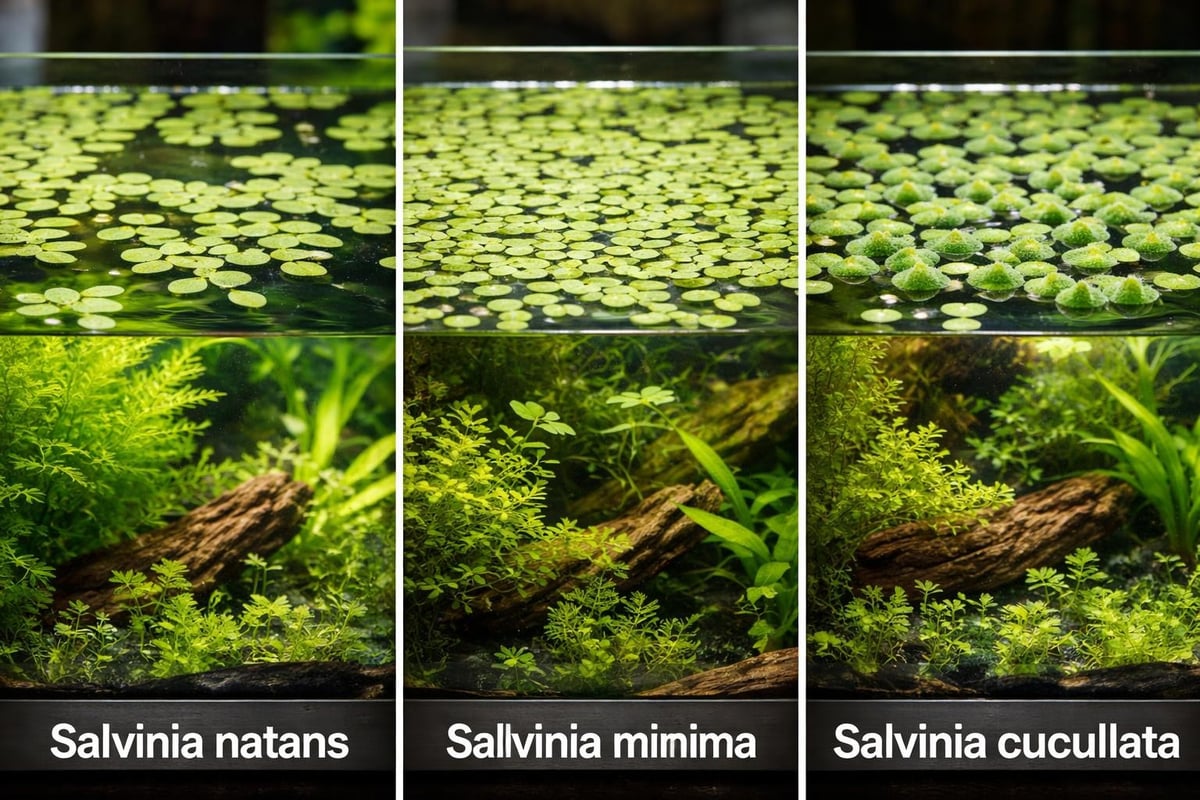
Several Salvinia species thrive in aquarium environments, each offering distinct characteristics that appeal to different aquascaping goals. The most common varieties include Salvinia natans, Salvinia minima, and Salvinia cucullata. These species share similar care requirements but differ in size, growth rate, and visual appearance.
Salvinia natans features slightly larger leaves arranged in pairs and grows moderately fast under appropriate conditions. This species works exceptionally well in community tanks where moderate surface coverage is desired. The leaves display a distinctive folded appearance that creates visual interest from above.
Salvinia minima presents the smallest leaf structure among commonly available species, making it ideal for nano tanks and aquariums where delicate aesthetics matter. Salvinia minima offers natural purification benefits while maintaining a subtle presence that doesn't overwhelm smaller setups.
Species Comparison and Selection
| Species | Leaf Size | Growth Rate | Best For |
|---|---|---|---|
| Salvinia natans | Medium (0.5-1 inch) | Moderate | Community tanks, ponds |
| Salvinia minima | Small (0.25-0.5 inch) | Fast | Nano tanks, breeding setups |
| Salvinia cucullata | Large (1-2 inches) | Very fast | Large aquariums, nutrient export |
Choosing the right species depends on your tank size, filtration goals, and desired aesthetic. Larger aquariums benefit from Salvinia cucullata's aggressive nutrient uptake, while smaller setups require the more manageable growth of Salvinia minima. Consider your maintenance schedule when selecting species, as faster-growing varieties demand more frequent trimming.
Water Parameters and Environmental Requirements
Establishing optimal conditions ensures your salvinia aquarium thrives with minimal intervention. These floating plants demonstrate remarkable adaptability but perform best within specific parameter ranges. Temperature stability matters more than achieving exact numbers, as sudden fluctuations stress the plants and reduce growth rates.
Temperature range: 64-82°F (18-28°C) with optimal growth occurring between 70-78°F. Most tropical community aquariums naturally maintain these temperatures, making Salvinia compatible with common fish species.
pH tolerance: 6.0-7.5, with neutral to slightly acidic water producing the healthiest growth. The plants adapt to harder water but may show slower propagation rates in highly alkaline conditions.
Lighting Considerations
Moderate to high lighting encourages robust growth in salvinia aquarium setups, though these plants survive under lower light conditions. LED fixtures providing 30-50 PAR at the surface deliver excellent results without promoting excessive algae growth. Avoid placing Salvinia directly under intense spotlights, as this can cause leaf burn and browning.
The plants require some air circulation above the water surface to prevent condensation buildup on leaves. Ensure your aquarium cover allows adequate ventilation or leave a small gap for air exchange. Stagnant, humid air promotes fungal issues and causes the characteristic hairy leaf surfaces to become waterlogged.
Benefits of Adding Salvinia to Your Aquarium
Incorporating floating plants transforms water quality and creates a more naturalistic environment for aquatic inhabitants. Understanding how floating plants improve aquarium ecosystems helps aquarists appreciate their multifaceted value beyond simple decoration.
Water Quality Improvement
- Nitrate absorption: Salvinia rapidly consumes excess nitrates through its root system, reducing the frequency of water changes needed
- Phosphate removal: Active uptake of phosphates helps prevent algae blooms and maintains crystal-clear water
- Heavy metal absorption: The plants bind trace metals and toxins, providing an additional layer of biological filtration
- Oxygenation: While floating plants consume oxygen at night, they produce significant amounts during daylight hours
Behavioral and Biological Benefits
Fish display more natural behaviors under the dappled lighting created by floating plant coverage. Shy species venture into open water more readily when overhead shelter exists. Breeding pairs of many species prefer spawning beneath floating plants, using the roots as attachment points for eggs or as shelters for newly hatched fry.
The extensive root systems develop quickly in a salvinia aquarium, creating complex structures that harbor beneficial bacteria and microorganisms. These microscopic life forms provide essential first foods for fry and contribute to the overall biological stability of the ecosystem.
Planting and Establishment Process
Unlike rooted aquatic plants, Salvinia requires no substrate preparation or anchoring. Simply float the plants on the water surface and allow them to acclimate for 24-48 hours. Initial placement strategy affects long-term maintenance requirements and aesthetic outcomes.
Step-by-step establishment:
- Rinse plants gently in dechlorinated water to remove any debris or hitchhiking organisms
- Float plants in an area with moderate water movement but not directly under filter outflow
- Start with coverage of 25-40% of the surface area to allow room for expansion
- Monitor daily for the first week, removing any yellowing leaves
- Adjust coverage after two weeks based on growth rate and desired shading
Integration with Other Plants
Salvinia coexists peacefully with most aquarium plants, though consideration of light requirements prevents conflicts. Tall stem plants may struggle if Salvinia coverage becomes too dense, blocking necessary light from reaching lower leaves. Strategic positioning ensures all plants receive adequate illumination.
Carpet plants particularly benefit from controlled Salvinia coverage, as the floating plants reduce algae competition without completely shading the substrate. Maintain 40-60% surface coverage maximum when growing light-demanding carpeting species.
Maintenance and Growth Management
Regular maintenance prevents Salvinia from overtaking your salvinia aquarium and blocking all surface light. Establishing a consistent routine takes minimal time but yields significant benefits for overall tank health. Most aquarists spend 5-10 minutes weekly managing floating plant populations.
Controlling Growth Rate
| Management Technique | Frequency | Effectiveness | Best For |
|---|---|---|---|
| Manual removal | Weekly | High | All tank sizes |
| Barrier rings | As needed | Moderate | Specific coverage areas |
| Reducing nutrients | Ongoing | Moderate | Heavily stocked tanks |
| Increasing water flow | One-time | Low | Preventing dead zones |
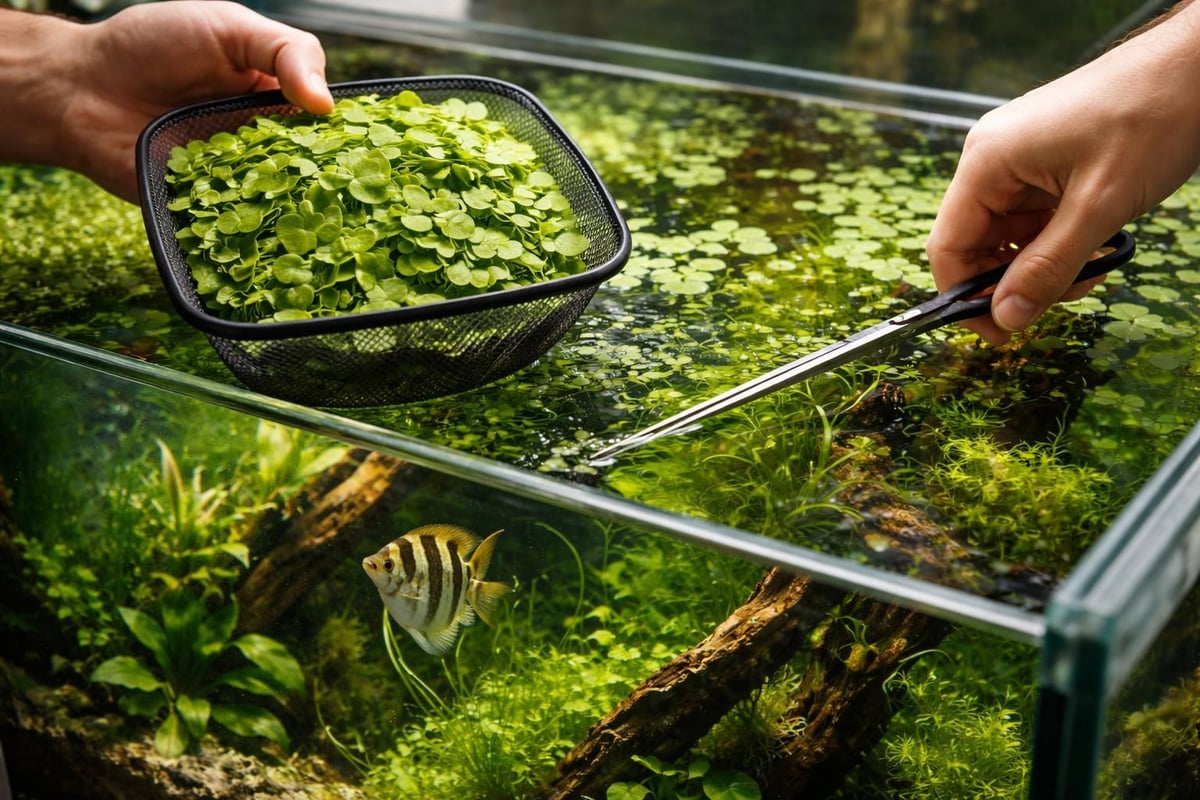
Manual removal remains the most effective control method. Simply scoop excess plants with a net, removing approximately one-third of the coverage weekly. This harvested material makes excellent compost or can be shared with other hobbyists.
Barrier rings created from airline tubing keep Salvinia confined to designated areas, allowing clear feeding zones and maintaining open swimming space. This approach works particularly well in display tanks where controlled coverage enhances rather than dominates the aquascape.
Signs of Healthy vs. Struggling Plants
Healthy Salvinia displays vibrant green coloration with leaves that remain dry and buoyant on the water surface. The characteristic tiny hairs covering each leaf should repel water effectively, creating a silvery appearance when viewed at certain angles.
Struggling plants show yellowing leaves, waterlogged surfaces, or brown edges. Detailed care guides for Salvinia explain that these symptoms typically indicate inadequate lighting, poor air circulation, or nutrient deficiencies. Address issues promptly by improving ventilation, adjusting light intensity, or supplementing with liquid fertilizers.
Nutrient Requirements and Fertilization
While Salvinia obtains most nutrients directly from the water column, targeted fertilization accelerates growth and intensifies coloration. The plants excel at extracting dissolved waste products, making them particularly valuable in heavily stocked salvinia aquarium setups where fish waste accumulates rapidly.
Essential nutrients:
- Nitrogen: Primarily absorbed from nitrates and ammonia, with preference for ammonia when available
- Phosphorus: Taken up efficiently from phosphates, helping control algae-promoting compounds
- Potassium: Required for robust growth but often deficient in aquariums without dedicated fertilization
- Iron: Enhances green coloration and prevents yellowing in newer growth
Comprehensive liquid fertilizers formulated for floating plants provide balanced nutrition without encouraging algae. Dose according to manufacturer instructions, typically starting at half-strength and increasing based on plant response. Salvinia demonstrates nutrient uptake capacity far exceeding most submerged plants, making it an excellent companion for nutrient-heavy substrates or heavily fed fish populations.
Common Challenges and Solutions
Despite their hardy nature, Salvinia plants occasionally encounter problems that affect appearance and growth rate. Recognizing early warning signs allows prompt intervention before minor issues escalate into major complications.
Yellowing and Die-Off
Yellow leaves indicate either nutrient deficiency or environmental stress. Check water parameters first, ensuring pH hasn't drifted outside the acceptable range. If parameters test normal, increase iron supplementation through chelated iron fertilizers. Remove affected leaves to prevent decomposition from fouling water quality.
Waterlogged Leaves
When the water-repellent leaf surfaces become saturated and sink, insufficient air circulation typically causes the problem. Improve ventilation by adjusting aquarium covers or adding small fans to increase air movement. Understanding how Salvinia natans functions in closed systems helps prevent this common issue.
Invasive Growth
Rapid expansion can quickly smother an entire tank surface. Combat excessive growth through regular harvesting, reducing fertilization, or introducing plant-eating fish species. Some aquarists intentionally maintain salvinia aquarium sections as "nutrient sinks," allowing controlled overgrowth in sump tanks or refugiums while keeping display areas managed.
Salvinia in Breeding and Fry-Rearing Tanks
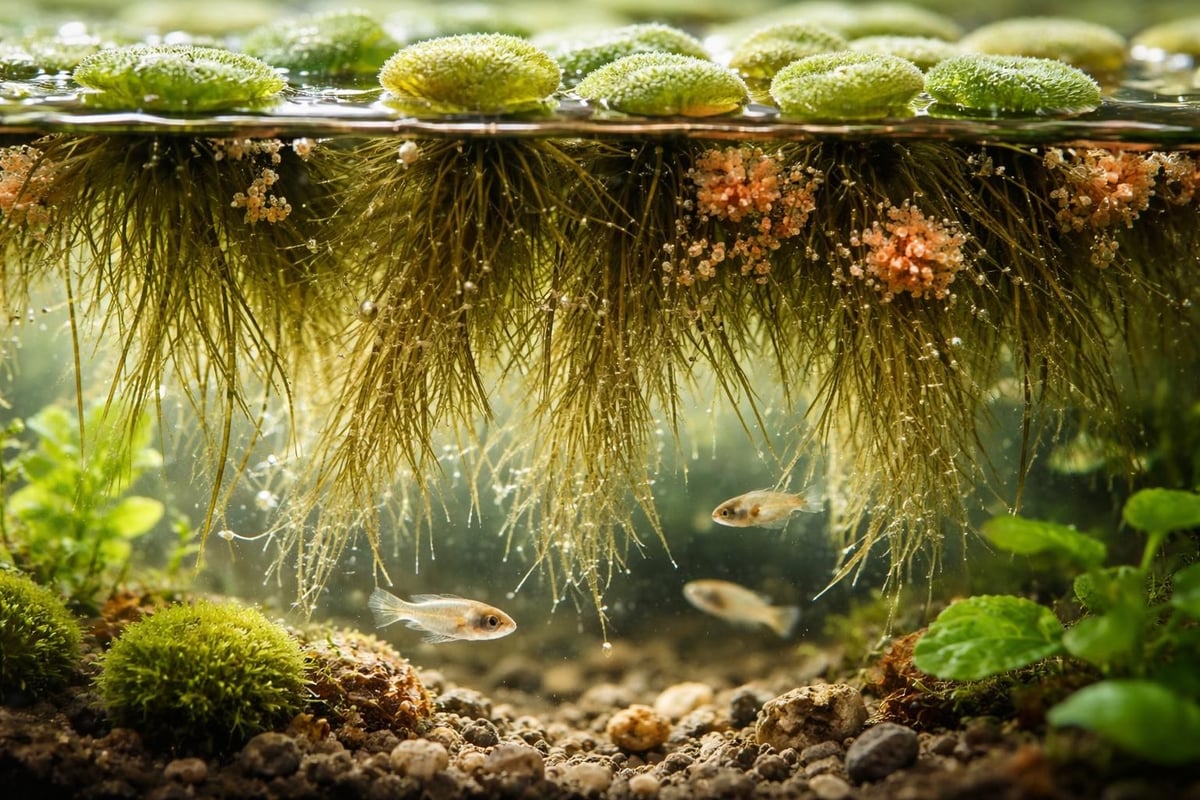
Breeding setups benefit tremendously from Salvinia's protective canopy and extensive root systems. The plants create ideal conditions for spawning, egg development, and fry survival while maintaining water quality in heavily fed breeding tanks.
Breeding advantages:
- Spawning substrate: Many species deposit eggs on or among floating plant roots
- Fry shelter: Newborn fish hide effectively in dense root masses, escaping predation
- Infusoria culture: Roots harbor microscopic organisms that serve as first food for fry
- Light diffusion: Subdued lighting reduces stress on breeding pairs and developing eggs
- Water quality: Rapid nutrient uptake manages waste from increased feeding schedules
Livebearers, bettas, and gouramis particularly appreciate Salvinia coverage during breeding. The plants provide bubble nest anchoring points for labyrinth fish while offering security for pregnant livebearers approaching delivery. Fry survival rates often increase dramatically when adequate floating plant coverage exists.
Compatibility with Fish and Invertebrates
Most aquarium inhabitants coexist harmoniously with Salvinia, though certain species may nibble on leaves or roots. Understanding these interactions helps create balanced salvinia aquarium communities where all organisms thrive.
Plant-Eating Species
Compatible fish:
- Tetras (minimal nibbling)
- Corydoras catfish (ignore floating plants)
- Dwarf cichlids (appreciate cover)
- Shrimp (graze on biofilm without damaging plants)
Problematic species:
- Goldfish (voracious plant eaters)
- Large plecos (may uproot floating plants)
- Silver dollars (consume all vegetation)
- Some cichlids (aggressive plant destruction)
Invertebrates benefit substantially from Salvinia coverage, as shrimp colonies thrive under the security provided by dense surface growth. The roots accumulate biofilm that serves as supplemental food for shrimp and small snails. Maintain moderate coverage in shrimp tanks to balance beneficial biofilm production with adequate light for any substrate-level plants.
Propagation and Sharing
Salvinia propagates vegetatively through simple division, making it incredibly easy to expand your collection or share with fellow hobbyists. Each plant segment containing a growth node develops into an independent colony within days under proper conditions.
Propagation steps:
- Select healthy parent plants showing vigorous growth
- Gently separate individual plantlets or small clusters
- Float separated portions in new locations or tanks
- Provide adequate lighting and nutrients for establishment
- Monitor growth for 3-5 days to ensure successful separation
The exponential growth rate means a small starter portion quickly expands to full coverage. Beginning with just 10-15 plantlets provides adequate coverage for a 20-gallon tank within 3-4 weeks under optimal conditions. Comprehensive guidance on Salvinia care and propagation helps new growers achieve success from the start.
Seasonal Considerations and Long-Term Management
While indoor aquariums maintain relatively stable conditions year-round, seasonal variations in room temperature and ambient lighting affect Salvinia growth patterns. Winter months with reduced natural light may slow propagation rates, while summer heat can accelerate growth beyond desired levels.
Annual Maintenance Strategy
Develop a yearly management plan that accounts for predictable seasonal changes. During winter, reduce harvesting frequency and consider supplemental fertilization to maintain healthy growth. Summer months require more aggressive population control to prevent excessive surface coverage.
Long-term success with salvinia aquarium keeping depends on establishing sustainable routines that balance plant health with overall tank needs. Many experienced aquarists maintain dedicated culture tanks where Salvinia grows without restriction, providing a constant supply of fresh plants for their display aquariums. This approach ensures healthy, pest-free plants while preventing coverage issues in showcase tanks.
Consider the broader aquascaping plan when incorporating Salvinia into long-term designs. The plants complement various styles, from naturalistic biotope recreations to modern minimalist layouts. Their adaptability allows seamless integration with other floating plants or as standalone surface features.
Advanced Applications and Aquascaping Techniques
Experienced aquascapers employ Salvinia creatively to achieve specific visual and functional goals. Strategic placement creates depth perception, directs viewer attention, and establishes natural-looking habitat zones within display aquariums.
Creative applications:
- Dappled lighting effects: Controlled coverage creates shifting light patterns that enhance visual depth
- Nutrient competition: Reduces algae by outcompeting for dissolved nutrients
- Biotope accuracy: Essential for replicating natural habitats where floating plants dominate
- Foreground framing: Overhanging growth frames hardscape elements from above
- Photography enhancement: Provides natural light diffusion for aquarium photography
The plants work exceptionally well in paludarium setups where emergent growth transitions between aquatic and terrestrial zones. Roots extending into the water provide textural contrast against rock or driftwood features. Benefits of Salvinia in various aquatic applications demonstrate their versatility beyond traditional aquarium use.
Troubleshooting Guide and Expert Tips
Resolving common issues quickly maintains the aesthetic and functional benefits of your salvinia aquarium. Reference this troubleshooting matrix when problems arise:
| Problem | Likely Cause | Solution |
|---|---|---|
| Slow growth | Low nutrients or light | Increase fertilization, improve lighting |
| Brown edges | Light burn or low humidity | Reduce light intensity, improve air circulation |
| Sinking plants | Waterlogged leaves | Increase ventilation, remove affected plants |
| Pale coloration | Iron deficiency | Add chelated iron supplement |
| Root rot | Stagnant water | Improve circulation, reduce coverage |
Expert maintenance tips:
- Perform weekly removal sessions on the same day for consistency
- Keep removed plants moist if sharing or composting within 24 hours
- Observe fish behavior under varying coverage levels to find optimal balance
- Document growth rates to predict maintenance needs
- Rotate plant populations between tanks to maintain genetic diversity
Professional aquascapers often maintain multiple Salvinia varieties, using each species strategically based on specific tank requirements. This specialized approach maximizes the unique benefits each variety offers while preventing any single species from becoming problematic.
Salvinia species provide exceptional value for aquarium hobbyists seeking natural water quality improvement, aesthetic enhancement, and functional benefits for breeding programs. These adaptable floating plants require minimal care while delivering substantial ecological advantages that support thriving aquatic environments. Whether you're establishing your first planted tank or refining an advanced aquascape, Canton Aquatics offers premium live aquarium plants with a live arrival guarantee and expert guidance to help you create beautiful, healthy aquatic ecosystems. Explore our comprehensive selection of floating plants and take advantage of free shipping on orders over $60 to start building your ideal salvinia aquarium today.
Ready to Upgrade Your Aquarium?
Check out our shop for a variety of fresh, farm-grown plants! Find the perfect options to enhance your aquarium today.
FEATURED BLOG
Dwarf Cardinal Plant Care Guide: Lobelia Cardinalis for Planted Aquariums


July 14, 2026
Dwarf Cardinal Plant Care Guide: Lobelia Cardinalis for Planted Aquariums
Aquarium Plants That Don't Need Substrate: Epiphytes, Floaters & Column Feeders


July 1, 2026
Aquarium Plants That Don't Need Substrate: Epiphytes, Floaters & Column Feeders
Best Pressurized CO2 Systems for Planted Aquariums: 2026 Buyer's Guide


July 1, 2026
Best Pressurized CO2 Systems for Planted Aquariums: 2026 Buyer's Guide
Going on Vacation? How to Keep Your Planted Tank Alive While You're Away


July 1, 2026
Going on Vacation? How to Keep Your Planted Tank Alive While You're Away
How Long Can Aquarium Plants Survive Without Light?


July 1, 2026
How Long Can Aquarium Plants Survive Without Light?
Best Aquarium Plants for Rainbowfish: Colorful Tank Setup Guide


July 1, 2026
Best Aquarium Plants for Rainbowfish: Colorful Tank Setup Guide
- Choosing a selection results in a full page refresh.

!