


Vallisneria Rubra: Complete Care Guide for 2026
Vallisneria rubra represents one of the most intriguing species within the Vallisneria genus, offering aquarium enthusiasts a distinctive alternative to more common eelgrass varieties. Originally classified as Maidenia rubra before its reclassification, this aquatic plant has garnered attention from both scientific researchers and hobbyists for its unique growth characteristics and requirements. Understanding the specific needs of vallisneria rubra allows aquarists to create thriving underwater landscapes that showcase this plant's natural beauty while maintaining optimal tank conditions for all inhabitants.
Origins and Taxonomic History
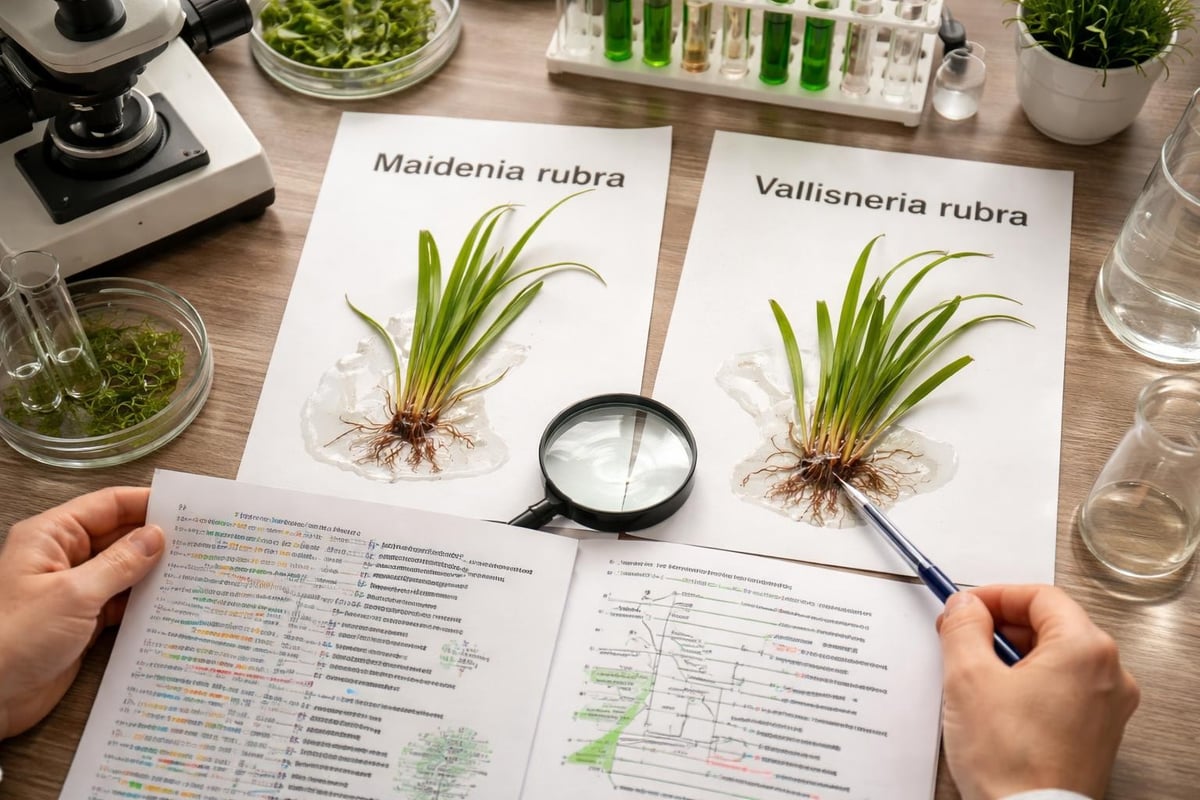
The story of vallisneria rubra begins in Australia, where this species evolved in specific freshwater environments adapted to warmer climates. The plant underwent significant taxonomic revision when researchers discovered that what was previously known as Maidenia rubra actually belonged within the Vallisneria genus. According to research on Vallisneria systematics, this reclassification was based on extensive phylogenetic analysis that revealed closer relationships to other Vallisneria species than initially recognized.
Scientific Classification Journey
The reclassification of vallisneria rubra highlights how modern genetic analysis continues to refine our understanding of aquatic plant relationships. This taxonomic adjustment has important implications for cultivation practices, as understanding the plant's true relatives helps predict its environmental preferences and compatibility with other species.
Key taxonomic milestones include:
- Original classification as Maidenia rubra based on morphological characteristics
- Genetic analysis revealing Vallisneria genus affiliation
- Formal reclassification incorporating molecular data
- Ongoing research into subspecies variations
Physical Characteristics and Identification
Vallisneria rubra displays several distinctive features that set it apart from other members of the Vallisneria family. The plant produces ribbon-like leaves that emerge from a central rosette, similar to other eelgrass species, but with specific coloration and texture differences that become apparent under proper lighting conditions.
Distinguishing Features
The leaves of vallisneria rubra typically exhibit a narrower profile compared to popular varieties like Vallisneria spiralis or Vallisneria americana. Leaf width generally ranges from 3 to 8 millimeters, with lengths varying based on environmental conditions and available vertical space. The plant's coloration can shift from green to reddish-brown hues, particularly when grown under high-intensity lighting with proper nutrient supplementation.
| Characteristic | Vallisneria Rubra | Common Vallisneria |
|---|---|---|
| Leaf Width | 3-8mm | 5-15mm |
| Maximum Height | 30-60cm | 40-100cm |
| Color Range | Green to reddish-brown | Primarily green |
| Temperature Preference | 22-28°C (72-82°F) | 18-28°C (64-82°F) |
| Growth Rate | Moderate | Fast to moderate |
Cultivation Requirements and Water Parameters
Successfully growing vallisneria rubra requires attention to specific environmental parameters that reflect its native habitat conditions. Cultivation notes from specialist growers emphasize the importance of maintaining warmer water temperatures and providing adequate lighting intensity to encourage healthy growth and optimal coloration.
Temperature and Lighting Considerations
This species thrives in water temperatures between 22-28°C (72-82°F), making it particularly well-suited for tropical community aquariums. Unlike some aquarium plants that grow in gravel with minimal light, vallisneria rubra benefits from moderate to high lighting levels. Providing 2-3 watts per gallon of full-spectrum lighting for 8-10 hours daily promotes robust growth and enhanced pigmentation.
Optimal water parameters include:
- pH range: 6.5-7.5 (slightly acidic to neutral)
- Water hardness: 5-15 dGH (moderate hardness preferred)
- CO2 supplementation: Beneficial but not strictly required
- Nutrient levels: Regular root feeding recommended
- Water movement: Gentle to moderate flow prevents debris accumulation
Substrate and Root Development
The root system of vallisneria rubra requires adequate substrate depth for proper anchoring and nutrient uptake. A minimum substrate depth of 5-7 centimeters provides sufficient space for root development. Fine to medium-grade gravel or specialized aquarium soil works well, with nutrient-rich substrates promoting faster establishment.
Propagation Methods and Growth Patterns
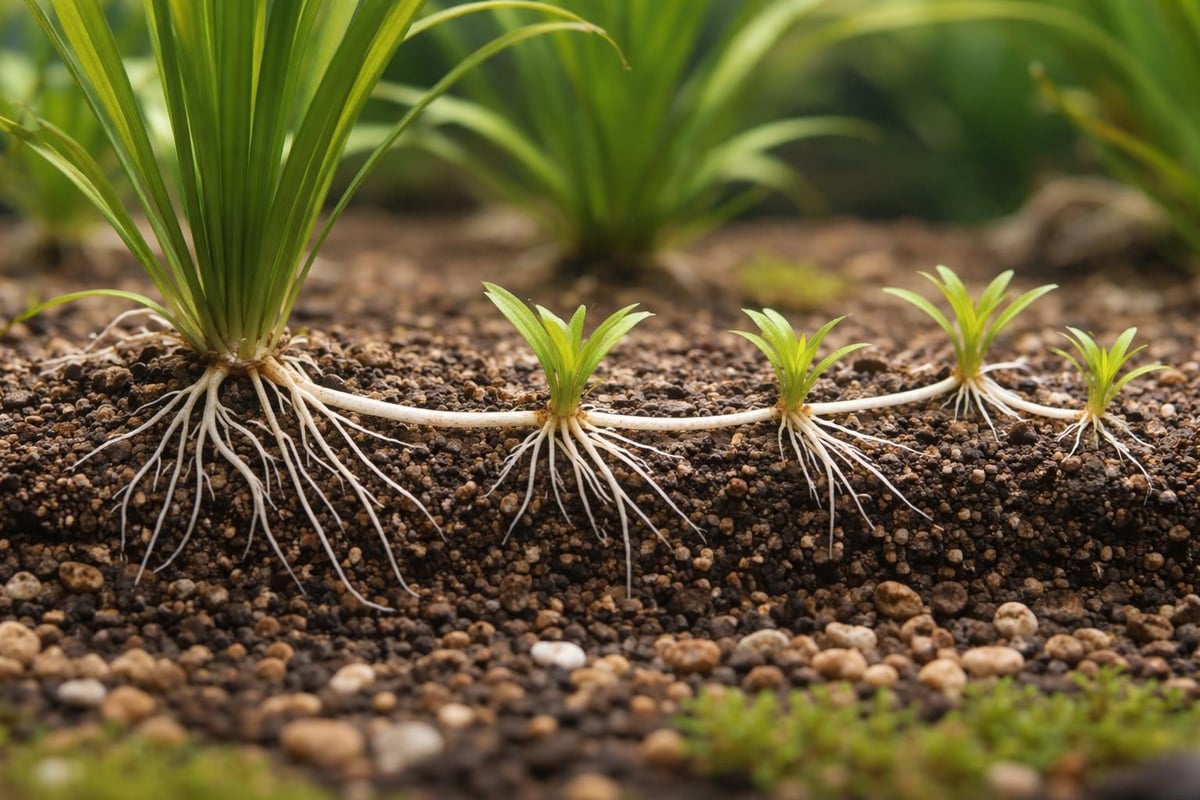
Vallisneria rubra reproduces primarily through vegetative propagation, sending out runners that develop into daughter plants at regular intervals. This growth pattern allows established colonies to gradually expand across the aquarium substrate, creating natural-looking groupings that enhance overall aesthetic appeal.
Runner Development Process
The propagation cycle begins when the parent plant extends specialized stems called runners or stolons horizontally through the substrate. These runners travel several centimeters before producing nodes where new plantlets emerge. Each daughter plant develops its own root system and leaf rosette, eventually becoming independent once established.
Propagation timeline typically follows this pattern:
- Week 1-2: Runner extension from healthy parent plant
- Week 3-4: Initial node formation and first leaves appear
- Week 5-6: Root development and establishment begins
- Week 7-8: Daughter plant reaches self-sufficient size
- Week 9+: New plant begins producing its own runners
Tank Setup and Aquascaping Applications
Incorporating vallisneria rubra into aquarium designs requires strategic placement that considers the plant's growth characteristics and visual impact. This species works exceptionally well as a background or midground plant, depending on tank size and pruning practices. When included in live aquatic plant collections, it provides vertical interest and natural habitat structure.
Placement Strategies
For background positioning:
- Plant in groups of 3-5 specimens for visual density
- Space individual plants 5-8 centimeters apart
- Allow runners to spread naturally for fuller appearance
- Trim height periodically to maintain desired aquascape proportions
For midground applications:
- Implement regular pruning to control vertical growth
- Combine with lower-growing foreground species for depth
- Use as transitional element between substrate levels
- Maintain smaller colonies through runner management
| Tank Size | Recommended Quantity | Spacing | Maintenance Frequency |
|---|---|---|---|
| 40-75L (10-20 gal) | 3-5 plants | 5-7cm | Every 2-3 weeks |
| 75-150L (20-40 gal) | 5-10 plants | 6-8cm | Every 3-4 weeks |
| 150L+ (40+ gal) | 10+ plants | 7-10cm | Monthly |
Compatibility with Tank Inhabitants
Vallisneria rubra demonstrates excellent compatibility with most freshwater fish species, making it a versatile choice for community aquariums. The plant's relatively tough leaves resist damage from herbivorous fish better than delicate species, though large cichlids or goldfish may still uproot or consume new growth.
Fish Species Considerations
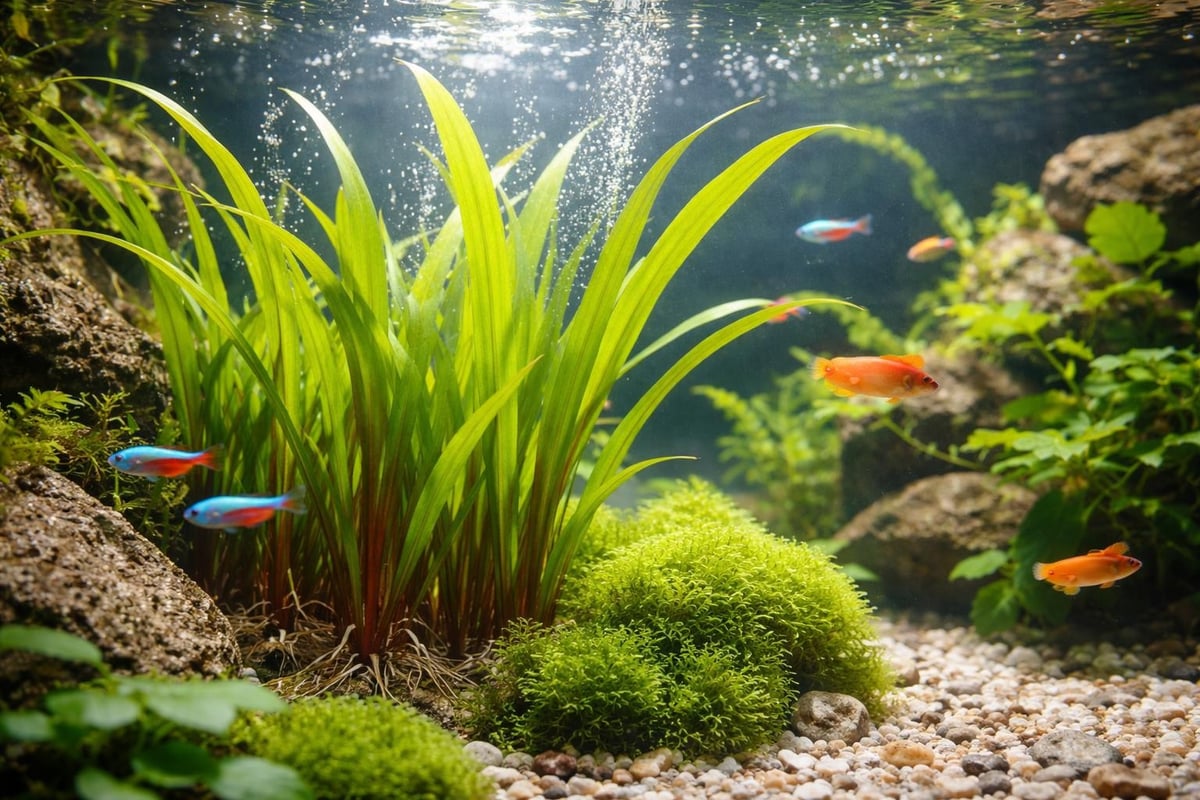
Ideal tankmates include small to medium-sized peaceful fish that appreciate planted environments. Tetras, rasboras, livebearers, and dwarf cichlids coexist well with vallisneria rubra. The plant's vertical growth pattern creates natural sight breaks and refuge areas that reduce stress in timid species.
Beneficial combinations:
- Community fish enjoying moderate water flow
- Species requiring visual barriers for territory establishment
- Egg-scattering fish needing spawning substrate
- Invertebrates like shrimp and snails that graze on biofilm
Species requiring caution:
- Large herbivorous fish (goldfish, silver dollars)
- Bottom-dwelling cichlids that dig extensively
- Crayfish or large crabs that uproot plants
Maintenance and Common Challenges
Regular maintenance ensures vallisneria rubra remains healthy and continues contributing to overall aquarium water quality. The species generally requires less intensive care than many aquarium plants, though attention to specific issues prevents common problems from developing.
Nutrient Management
Iron deficiency represents one of the most frequent issues affecting vallisneria rubra, manifesting as yellowing leaves or reduced growth rates. Root tabs placed near established plants every 2-3 months provide sustained nutrition. Liquid fertilizers containing micronutrients supplement substrate feeding, particularly in heavily planted tanks with high nutrient demand.
Fertilization schedule:
- Insert root tabs at planting time
- Add liquid micronutrients weekly at half-recommended dosage
- Replace root tabs every 8-12 weeks
- Monitor leaf color for deficiency indicators
- Adjust fertilization based on observed growth responses
Algae Prevention
Like other Vallisneria species, vallisneria rubra can develop algae growth on older leaves when nutrient imbalances occur. Maintaining stable water parameters, providing adequate but not excessive lighting, and performing regular water changes minimizes algae establishment. Removing damaged or heavily algae-covered leaves encourages new growth while improving overall appearance.
Seasonal Considerations and Adaptation
Although aquarium environments maintain relatively stable conditions year-round, vallisneria rubra may exhibit seasonal growth variations related to photoperiod and temperature fluctuations. Understanding these patterns helps aquarists anticipate and accommodate the plant's natural rhythms.
Growth Cycle Patterns
Many aquarium plants experience faster growth during spring and summer months, even when maintained at consistent temperatures. This phenomenon relates to subtle environmental cues that persist despite controlled conditions. Vallisneria rubra typically produces more runners and demonstrates accelerated vertical growth from March through September, with slower but steady development during fall and winter months.
Seasonal care adjustments:
- Increase pruning frequency during peak growth periods
- Reduce fertilization slightly during slower winter months
- Monitor runner production and thin colonies as needed
- Adjust lighting duration by 30-60 minutes seasonally
- Prepare for increased nutrient demand in spring
Environmental and Ecological Considerations
The introduction of non-native Vallisneria species to new regions has raised important ecological concerns among researchers and conservation organizations. The U.S. Fish and Wildlife Service's assessment of vallisneria rubra notes an uncertain risk classification due to limited data on its invasive potential outside native ranges.
Responsible Aquarium Plant Management
Aquarium hobbyists play a crucial role in preventing unintended introductions of aquatic plants to natural waterways. Never disposing of live plants in natural water bodies protects native ecosystems from potential disruption. Studies on alien Vallisneria species in Japan demonstrate how introduced species can establish in new environments and impact local plant communities.
Best practices for disposal:
- Compost unwanted plant material after thorough drying
- Seal plants in plastic bags before trash disposal
- Share excess growth with other local aquarists
- Return to aquarium plant suppliers when possible
- Never release aquarium water or plants into natural waterways
Advanced Growing Techniques
Experienced aquarists seeking to maximize vallisneria rubra's potential can implement advanced cultivation strategies that enhance growth rates, coloration, and overall health. These techniques build upon basic care requirements while introducing refinements that produce superior results.
Color Enhancement Methods
Achieving the characteristic reddish-brown coloration that gives vallisneria rubra its name requires specific environmental conditions. High-intensity lighting combined with balanced nutrient supplementation, particularly iron and micronutrients, intensifies pigmentation. Some growers report enhanced coloration when using specialized plant LED fixtures with strong red and blue spectrum output.
| Enhancement Factor | Standard Approach | Advanced Technique | Expected Result |
|---|---|---|---|
| Lighting | 2 watts/gallon | 3+ watts/gallon with red/blue spectrum | Deeper red tones |
| Iron | Weekly liquid fertilizer | Root tabs + targeted iron supplement | Richer pigmentation |
| CO2 | None or minimal | Pressurized system 20-30 ppm | Faster growth, better color |
| Photoperiod | 8-10 hours | 10-12 hours with midday break | Enhanced photosynthesis |
Optimizing Propagation Rates
Accelerating runner production creates fuller colonies more quickly. Providing optimal conditions while maintaining slightly higher temperatures (26-28°C) stimulates increased metabolic activity and runner development. Regular pruning of older leaves redirects the plant's energy toward new growth and propagation.
Vallisneria rubra offers aquarium enthusiasts a rewarding challenge that combines unique aesthetic qualities with straightforward care requirements once basic parameters are understood. Whether you're establishing your first planted tank or expanding an existing collection, this distinctive species brings Australian native beauty to home aquariums. Canton Aquatics provides farm-direct aquarium plants with a live arrival guarantee and expert guidance to help you successfully cultivate vallisneria rubra and create the thriving aquatic environment you envision.
Ready to Upgrade Your Aquarium?
Check out our shop for a variety of fresh, farm-grown plants! Find the perfect options to enhance your aquarium today.
FEATURED BLOG
Dwarf Cardinal Plant Care Guide: Lobelia Cardinalis for Planted Aquariums


July 14, 2026
Dwarf Cardinal Plant Care Guide: Lobelia Cardinalis for Planted Aquariums
Aquarium Plants That Don't Need Substrate: Epiphytes, Floaters & Column Feeders


July 1, 2026
Aquarium Plants That Don't Need Substrate: Epiphytes, Floaters & Column Feeders
Best Pressurized CO2 Systems for Planted Aquariums: 2026 Buyer's Guide


July 1, 2026
Best Pressurized CO2 Systems for Planted Aquariums: 2026 Buyer's Guide
Going on Vacation? How to Keep Your Planted Tank Alive While You're Away


July 1, 2026
Going on Vacation? How to Keep Your Planted Tank Alive While You're Away
How Long Can Aquarium Plants Survive Without Light?


July 1, 2026
How Long Can Aquarium Plants Survive Without Light?
Best Aquarium Plants for Rainbowfish: Colorful Tank Setup Guide


July 1, 2026
Best Aquarium Plants for Rainbowfish: Colorful Tank Setup Guide
- Choosing a selection results in a full page refresh.

!