


Best Aquarium Plants for Shrimp Tanks: Safe Species Your Shrimp Will Love
If you keep freshwater shrimp — whether Cherry Shrimp, Amano Shrimp, Crystal Red Shrimp, or any other species — live plants aren't just decoration. They're essential infrastructure. Plants provide biofilm grazing surfaces, hiding spots for vulnerable baby shrimp, stable water parameters, and a natural food source that keeps your colony thriving.
But not all plants are equally good for shrimp tanks, and some planting practices can actually kill your shrimp. Here's what you need to know.
Why Shrimp Need Plants
- Biofilm production: Plant surfaces grow a thin layer of biofilm — a mix of bacteria, algae, and microorganisms — that's the primary food source for shrimp, especially baby shrimp. More plant surface area = more food.
- Baby shrimp survival: Newborn shrimp are tiny (2mm) and defenseless. Dense plant coverage gives them places to hide from fish and even from adult shrimp. Survival rates in heavily planted tanks are dramatically higher.
- Water quality: Plants absorb ammonia, nitrite, and nitrate — the compounds most toxic to sensitive shrimp species. A heavily planted shrimp tank is inherently more stable.
- Molting cover: Shrimp are extremely vulnerable during and immediately after molting. Dense plantings give them safe spots to hide during this critical period.
⚠️ Critical: Pesticide Warning
Many commercially grown aquarium plants are treated with pesticides that are harmless to fish but lethal to shrimp and other invertebrates. Before adding ANY new plant to a shrimp tank:
- Buy from shrimp-safe sources. At Canton Aquatics, our plants are grown without copper-based pesticides, making them safe for invertebrate tanks.
- Quarantine new plants for at least 3–7 days in a separate container with daily water changes before adding them to your shrimp tank.
- Never use plants from stores that treat with snail-kill solutions — these copper-based treatments are toxic to shrimp at extremely low concentrations.
Top 10 Plants for Shrimp Tanks
1. Java Moss — The #1 Shrimp Plant
No shrimp tank is complete without Java Moss. Its dense, branching structure creates an enormous surface area for biofilm growth — baby shrimp can literally graze for days within a single moss clump without running out of food. Attach it to driftwood, rocks, or let it form free-floating mats. Zero maintenance required.
2. Subwassertang (Round Pellia)
This unusual liverwort forms dense, tangled masses of round green lobes that baby shrimp absolutely love. The intricate structure traps detritus and grows thick biofilm, making it a natural shrimp buffet. It sinks on its own and can be placed anywhere in the tank.
3. Anubias Nana Petite
Anubias Nana Petite is the ideal epiphyte for shrimp tanks. Its tiny leaves grow close together on a compact rhizome, creating dense cover near the substrate where shrimp spend most of their time. The broad leaf surfaces also grow excellent biofilm. Attach to rocks or driftwood — never bury the rhizome.
4. Christmas Moss
Christmas Moss (Vesicularia montagnei) has a distinctive triangular branching pattern that's more structured than Java Moss. Shrimp love it for the same biofilm reasons, but its neater growth habit makes it a more attractive option for aquascaped shrimp tanks. Grows well in low to medium light.
5. Dwarf Hairgrass
A Dwarf Hairgrass carpet creates a forest-floor environment at shrimp scale. Baby shrimp navigate between the blades like deer through tall grass — predators can't easily spot them. The root zone also harbors microfauna that shrimp feed on.
6. Amazon Frogbit
Amazon Frogbit and other floating plants serve double duty in shrimp tanks. The dangling roots provide grazing surface and hiding spots, while the floating leaves diffuse harsh lighting — which reduces stress on sensitive shrimp species like Crystal Reds.
7. Marimo Moss Balls
Marimo Moss Balls are shrimp magnets. Shrimp will spend hours sitting on top of or climbing around these velvet-green spheres, picking off biofilm and algae. They're zero-maintenance and add a fun visual element to the tank.
8. Java Fern
Java Fern's broad leaves provide resting spots and biofilm grazing surfaces. The underside of Java Fern leaves is a favorite hangout for shrimp. Like Anubias, attach it to hardscape — it's a rhizome plant that rots if buried.
9. Bucephalandra
Buce is increasingly popular in shrimp tanks for its compact growth, attractive appearance, and the biofilm its textured leaves produce. Many varieties stay small enough for nano shrimp tanks. Attach to rocks alongside moss for a natural look.
10. Water Lettuce / Salvinia
Additional floating plant options that create shade, reduce surface agitation (shrimp prefer calm water), and provide root-based grazing surfaces. Salvinia is particularly good for nano tanks due to its smaller size.
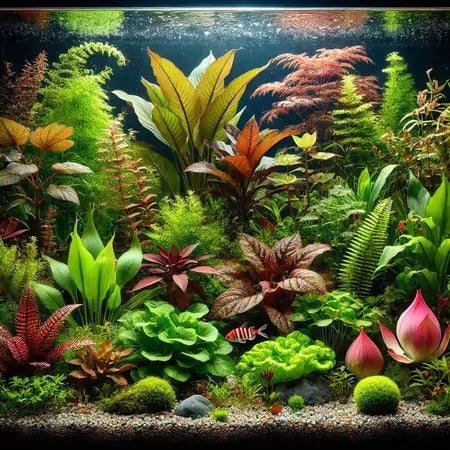
Planting Layout for Shrimp Tanks
| Zone | Best Plants | Purpose |
|---|---|---|
| Foreground | Dwarf Hairgrass, Marsilea | Baby shrimp cover |
| Midground | Anubias Nana Petite, Bucephalandra | Biofilm grazing, adult cover |
| Background | Java Fern, tall moss on driftwood | Structure and security |
| Hardscape | Java Moss, Christmas Moss, Subwassertang | Maximum biofilm surface |
| Surface | Frogbit, Salvinia, Water Lettuce | Shade, root grazing, calm water |
Tips for a Thriving Planted Shrimp Tank
- More plants = more shrimp. Biofilm production is directly proportional to plant surface area. The more densely planted your tank, the more food is available for your colony.
- Moss is non-negotiable. Every shrimp tank should have at least one generous clump of moss. It's the single most important plant type for shrimp survival and breeding.
- Avoid liquid carbon products (like Excel/glutaraldehyde) in shrimp tanks — some hobbyists report shrimp deaths at standard dosing levels.
- Don't over-clean. That "dirty" biofilm on your plant leaves? That's shrimp food. Light cleaning is fine; scrubbing plants clean removes your colony's primary food source.
- Let leaves stay. Dead or dying plant leaves that are still attached grow excellent biofilm. Only remove them once they're fully decomposed or creating a water quality issue.
Ready to Upgrade Your Aquarium?
Check out our shop for a variety of fresh, farm-grown plants! Find the perfect options to enhance your aquarium today.
FEATURED BLOG
Glossostigma Elatinoides Care Guide: The Ultra-Low Carpet Plant


June 25, 2026
Glossostigma Elatinoides Care Guide: The Ultra-Low Carpet Plant
Best Aquarium Plants for Shrimp Tanks: Safe Species Your Shrimp Will Love

June 25, 2026
Best Aquarium Plants for Shrimp Tanks: Safe Species Your Shrimp Will Love
DIY CO2 for Aquarium Plants: The Budget Method That Actually Works


June 25, 2026
DIY CO2 for Aquarium Plants: The Budget Method That Actually Works
Aquarium Plant Nutrient Deficiency Guide: Identify and Fix Every Symptom


June 25, 2026
Aquarium Plant Nutrient Deficiency Guide: Identify and Fix Every Symptom
Paludarium Plants: Best Species for Your Half-Land, Half-Water Setup


June 25, 2026
Paludarium Plants: Best Species for Your Half-Land, Half-Water Setup
Riccia Fluitans Care Guide: Growing Crystalwort in Your Aquarium


June 25, 2026
Riccia Fluitans Care Guide: Growing Crystalwort in Your Aquarium
- Choosing a selection results in a full page refresh.

!