


Cheap Aquarium Plants: Budget-Friendly Greenery Guide
Creating a lush, vibrant planted aquarium doesn't require spending a fortune. Many aquarium hobbyists believe that transforming their tank into an underwater paradise demands significant investment, but affordable options exist that deliver stunning results. Whether you're establishing your first planted tank or expanding an existing setup, cheap aquarium plants provide the same biological benefits and visual appeal as premium specimens. Understanding which species offer the best value, where to source them, and how to maintain them economically allows you to build a thriving aquatic ecosystem while staying within budget.
Understanding Value in Aquarium Plants
The term "cheap" doesn't necessarily mean low quality when it comes to aquatic vegetation. Many affordable plant species are actually hardier, faster-growing, and more forgiving than their expensive counterparts. These budget-friendly options often propagate readily, meaning your initial purchase multiplies into additional plants over time.
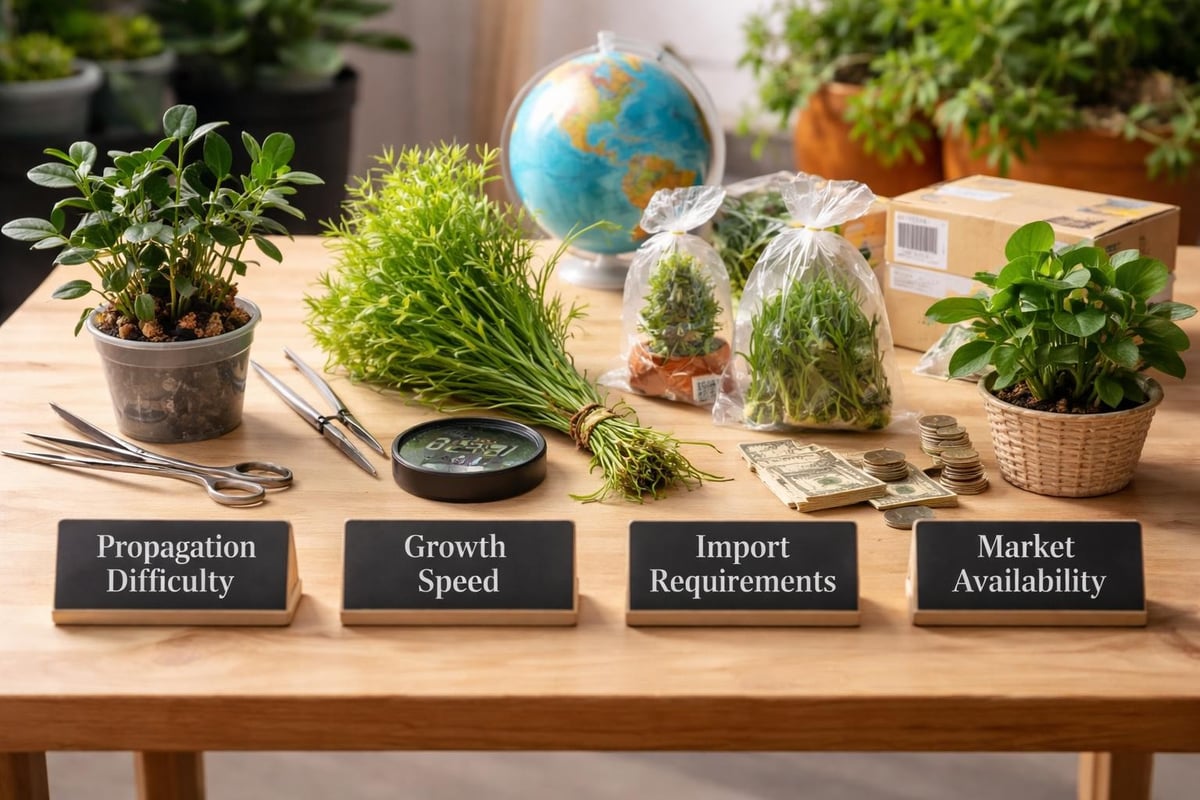
Price factors for aquarium plants include:
- Growth rate and propagation speed
- Import costs and domestic availability
- Difficulty level and special care requirements
- Seasonal availability and market demand
- Seller type (wholesale, retail, hobbyist)
Species that grow quickly and propagate easily naturally cost less because suppliers can produce them in high volumes. Plants requiring specialized lighting, CO2 injection, or specific water parameters typically command higher prices due to cultivation complexity. By focusing on low-tech aquarium plants, you access varieties that thrive in standard conditions while remaining budget-friendly.
The current market for live aquarium plants shows diverse pricing influenced by shipping logistics, cultivation methods, and consumer demand trends. Farm-direct purchasing often provides the most competitive pricing by eliminating middlemen.
Top Affordable Plant Species for Aquariums
Stem Plants: Maximum Growth for Minimum Investment
Stem plants represent some of the best values in aquarium vegetation. These fast-growing species can be trimmed and replanted, essentially giving you free plants from your original purchase. A single bunch can populate an entire tank section within months.
Best budget-friendly stem plants:
- Hornwort: Extremely hardy, grows in virtually any condition
- Water Sprite: Fast growth, excellent nutrient absorption
- Rotala Rotundifolia: Vibrant colors without CO2 supplementation
- Bacopa Monnieri: Tolerates various lighting levels
- Hygrophila Polysperma: Nearly indestructible, rapid propagation
These species rarely exceed a few dollars per stem or bunch, yet they create impressive visual impact. Their rapid growth also helps control algae by competing for nutrients. Many hobbyists find they're soon selling or trading excess trimmings rather than buying more plants.
Cryptocoryne Varieties: Budget Beauty with Longevity
The Cryptocoryne genus offers numerous cheap aquarium plants perfect for beginners and experienced aquarists alike. These plants adapt to various water conditions, tolerate low light, and slowly expand into attractive clusters. Once established, Crypts persist for years with minimal maintenance.
| Cryptocoryne Species | Price Range | Light Requirements | Growth Rate |
|---|---|---|---|
| C. Wendtii | $3-6 | Low-Medium | Slow-Moderate |
| C. Lucens | $4-7 | Medium | Moderate |
| C. Balansae | $5-8 | Low-Medium | Slow |
| C. Parva | $6-10 | Medium | Very Slow |
Cryptocoryne Lucens provides excellent value with its attractive green leaves and adaptability. While slower-growing than stem plants, Cryptocoryne species require less frequent trimming and maintain consistent appearance with minimal intervention.
Floating Plants: Affordable and Functional
Floating plants often rank among the most economical aquarium additions. These species reproduce quickly through vegetative propagation, meaning a small initial purchase rapidly multiplies. They also serve multiple functions beyond aesthetics.
Duckweed, Water Lettuce, and Salvinia species typically cost just a few dollars for a starter portion. Within weeks, they'll cover significant surface area, providing shade for fish, absorbing excess nutrients, and preventing algae growth. The main challenge becomes controlling their abundance rather than encouraging growth.
Strategic Sourcing for Maximum Savings
Local Aquarium Clubs and Online Communities
One of the most effective strategies for acquiring affordable aquarium plants involves connecting with fellow hobbyists. Local aquarium clubs regularly host plant swaps, auctions, and sales where members exchange trimmings and excess growth.
Benefits of community sourcing:
- Often free or significantly discounted plants
- Local acclimation to regional water parameters
- Personal advice from experienced growers
- Rare species availability from collectors
- Building relationships with knowledgeable hobbyists
Online forums and social media groups dedicated to planted tanks frequently have classified sections where members sell or trade plants. These peer-to-peer transactions eliminate retail markups while connecting you with passionate growers eager to share their success.
Buying Bundles and Multi-Packs
Purchasing plant bundles rather than individual specimens typically reduces per-plant costs substantially. Retailers offer package deals combining multiple species or larger quantities of single varieties at discounted rates.
A bundle approach also helps establish complete planted tank setups more efficiently. Instead of piecemeal additions over months, you can achieve immediate visual impact and biological stability. The combined plant mass immediately begins processing waste products and competing with algae.
Seasonal Buying and Sales Timing
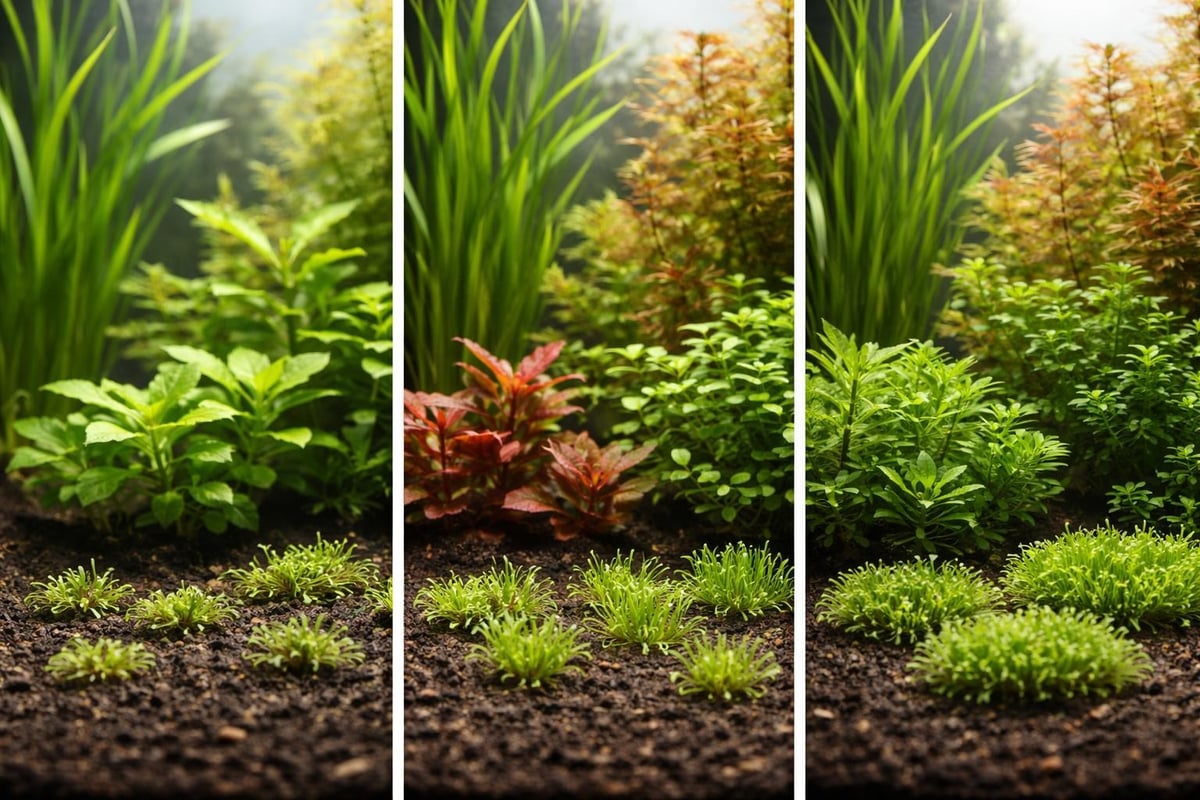
Plant availability and pricing fluctuate throughout the year. Many suppliers reduce prices during slower sales periods or when inventory levels run high. Late winter and early spring often bring promotions as growers prepare for peak growing season.
Subscribing to newsletters from suppliers and monitoring sales calendars helps identify optimal purchasing windows. Some retailers offer percentage-off promotions during holidays or special events that significantly reduce costs on already affordable plants.
Propagation: Turning Purchases into Permanent Investments
Understanding Plant Reproduction Methods
The most cost-effective approach to cheap aquarium plants involves leveraging their natural reproduction capabilities. Different species propagate through various methods, and understanding these processes maximizes your initial investment.
Common propagation methods:
- Stem cutting: Trimming and replanting top portions
- Runners: Horizontal stems producing new plantlets
- Division: Separating root systems into multiple plants
- Adventitious plantlets: Baby plants forming on leaves
- Spores: Fern reproduction through microscopic structures
Stem plants like Rotala and Bacopa propagate most readily. Simply cut healthy stems, remove lower leaves, and plant them in substrate. Within days, roots develop, and you've essentially doubled your plant count. Repeat this process during regular trimming sessions, and your plant population grows exponentially.
Creating a Propagation System
Dedicated hobbyists establish propagation tanks or sections where they cultivate plants specifically for multiplication. These areas typically receive higher lighting and nutrient levels to accelerate growth, producing trimmings for main display tanks or sale.
A simple propagation setup requires minimal investment:
- Basic aquarium or plastic tub
- Standard aquarium lighting
- Liquid fertilizer
- Substrate or floating cultivation
This approach transforms cheap aquarium plants into ongoing sources rather than consumable products. The initial modest investment continues providing value indefinitely through successive generations.
Maintaining Budget Plants for Long-Term Success
Lighting Solutions That Don't Break the Bank
Contrary to popular belief, expensive specialized lighting isn't necessary for many affordable aquarium plants. The species recommended for budget setups typically thrive under moderate illumination easily achieved with cost-effective LED fixtures.
Standard aquarium LED lights providing 20-40 PAR (Photosynthetically Active Radiation) at substrate level support most hardy plants. These fixtures cost significantly less than high-intensity systems designed for demanding species. Many budget plants actually perform better under moderate lighting, exhibiting more compact growth and richer coloration.
| Lighting Type | Initial Cost | Operating Cost | Suitable Plants |
|---|---|---|---|
| Basic LED Strip | $20-40 | Very Low | Low-light species |
| Standard LED Fixture | $40-80 | Low | Most budget plants |
| Medium LED | $80-150 | Low-Moderate | All common species |
| High-End LED | $200+ | Moderate | Demanding varieties |
For truly budget-conscious setups, natural window light supplemented with basic artificial lighting can support certain hardy species, though algae control becomes more challenging.
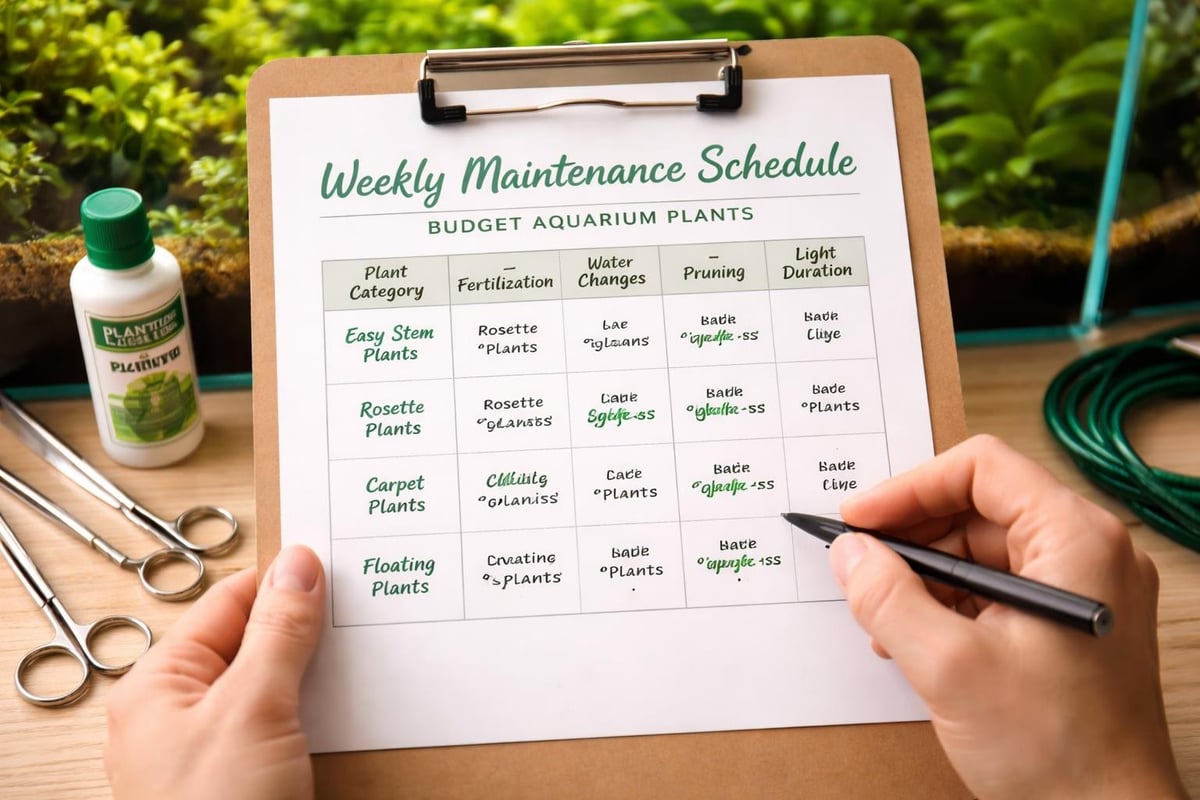
Fertilization on a Budget
Cheap aquarium plants generally have modest nutritional requirements compared to rare or demanding species. Many thrive with minimal supplementation, especially in tanks with moderate fish populations providing organic waste.
Cost-effective fertilization strategies:
- Root tabs placed near heavy root feeders every 3-4 months
- Liquid all-in-one fertilizers dosed weekly
- DIY fertilizer solutions using dry compounds
- Fish waste as primary nitrogen source
- Occasional water column dosing rather than daily
Commercial liquid fertilizers designed for low-tech setups cost $10-20 annually for most aquariums when dosed appropriately. Root tabs similarly provide months of nutrition for just a few dollars. These modest expenses maintain plant health while avoiding the costly specialized nutrient systems demanded by high-tech planted tanks.
Balancing Plant Selection with Tank Parameters
Matching Plants to Water Chemistry
Successful planted tanks require compatibility between species and water conditions. Fortunately, most cheap aquarium plants demonstrate remarkable adaptability to various parameters, reducing the need for expensive water modification.
Hardy plants for different water types:
- Soft, acidic water: Most Cryptocoryne species, Amazon Swords, Java Fern
- Hard, alkaline water: Vallisneria, Hygrophila, Anubias varieties
- Neutral parameters: Nearly all budget-friendly species
- Fluctuating conditions: Hornwort, Water Sprite, most floating plants
This adaptability means you can select plants suited to your existing water chemistry rather than purchasing expensive equipment to modify conditions. Understanding aquarium plant requirements helps match species to your specific setup characteristics.
Growth Rates and Maintenance Commitment
Consider your available time alongside budget when selecting plants. While fast-growing species offer excellent value through rapid propagation, they also demand more frequent trimming and maintenance. Slower-growing varieties require less intervention but take longer to establish and propagate.
Balancing growth rates across your tank creates visual interest while managing maintenance demands. Combining fast-growing stem plants in background areas with slower Cryptocoryne or Anubias varieties in foreground positions provides dimension without overwhelming upkeep requirements.
Common Mistakes When Buying Budget Plants
Prioritizing Price Over Suitability
The cheapest option isn't always the best value if plants don't match your setup's capabilities. Purchasing species requiring high light or CO2 injection simply because they're discounted leads to poor growth, algae problems, and ultimately wasted money.
Evaluation criteria beyond price:
- Compatibility with existing lighting
- Temperature range alignment
- Growth rate versus available time
- Propagation potential
- Disease resistance and hardiness
Research species requirements before purchasing, even when deals seem irresistible. A slightly more expensive plant that thrives in your conditions provides better value than cheap specimens that struggle or die.
Neglecting Plant Health Indicators
When sourcing affordable plants, especially from individual sellers or less established retailers, inspect specimens carefully for health signs. Compromised plants rarely recover even with excellent care, negating any cost savings.
Red flags indicating poor plant health:
- Yellowing or transparent leaves
- Significant melting or decay
- Pest presence (snails, algae)
- Foul odors suggesting rot
- Minimal root development
Quality budget plants should display vibrant coloration, firm structure, and active growth. Reputable suppliers providing live arrival guarantees offer peace of mind worth slightly higher prices. The comprehensive selection at Canton Aquatics includes health guarantees protecting your investment.
Advanced Budget Strategies for Experienced Aquarists
Cultivating for Resale
Once you've established thriving populations of fast-growing species, consider selling excess plants to offset ongoing hobby costs. Local fish stores sometimes purchase healthy specimens, or you can sell directly through online marketplaces and forums.
This approach transforms cheap aquarium plants from expenses into potential revenue streams. Species like Water Sprite, Hornwort, and various stem plants produce such abundant growth that regular trimming yields sellable portions.
Tissue Culture as Middle-Ground Investment
Tissue culture plants represent a middle price point between traditional potted plants and individual stems. While initially more expensive than single stems, they're often cheaper than multiple pots and arrive completely pest and algae-free.
The sterile nature of tissue culture eliminates common hitchhikers that introduce problems into established tanks. For budget-conscious aquarists willing to wait for growth, tissue culture provides clean, healthy starter plants that rapidly multiply under proper conditions.
Building Complete Planted Tanks Economically
The $50 Planted Tank Challenge
Creating fully planted aquariums on strict budgets is entirely achievable with strategic planning. Focusing on hardy, fast-growing species and leveraging their propagation capabilities builds impressive displays for minimal investment.
Sample $50 plant budget breakdown:
- Background stems (Hornwort, Hygrophila): $12-15
- Midground variety (Cryptocoryne, Java Fern): $10-12
- Foreground/carpet (Dwarf Sagittaria): $8-10
- Floating plants (Salvinia, Frogbit): $5-8
- Specialty accent (Anubias, Amazon Sword): $10-15
This budget provides sufficient initial coverage for a 20-30 gallon tank. Within 2-3 months, natural growth and propagation fill remaining spaces without additional purchases.
Long-Term Economic Planning
The true economy of planted tanks emerges over time. Initial investments in quality cheap aquarium plants pay ongoing dividends through propagation, improved water quality reducing maintenance costs, and decreased reliance on mechanical filtration.
Plants naturally process fish waste, reducing water change frequency and chemical treatment needs. Their oxygen production and biological filtration capabilities can minimize equipment requirements. These ongoing savings quickly offset initial plant purchases, making planted tanks economically attractive long-term.
Resources for Continued Learning
Educational Materials and Communities
Expanding your knowledge about plant care, propagation, and species selection improves success rates and maximizes value from every purchase. Numerous free resources provide expert guidance without subscription fees.
The Aquatic Gardeners Association offers detailed articles on budget-friendly planted tank setups, covering equipment selection, plant choices, and maintenance strategies. Their forums connect hobbyists worldwide, facilitating knowledge exchange and trading opportunities.
Online platforms reviewing best aquarium plants help identify species offering optimal value based on current pricing and availability. These resources evaluate plants across multiple criteria, helping you make informed decisions aligned with budget constraints.
Supplier Evaluation and Selection
Choosing reliable suppliers ensures plant quality while maintaining competitive pricing. Farm-direct operations typically offer the best combination of price and quality by eliminating distribution markups.
When evaluating potential suppliers, consider:
- Shipping policies and costs
- Live arrival guarantees
- Customer reviews and reputation
- Species selection and availability
- Educational resources provided
- Customer service responsiveness
Establishing relationships with trusted suppliers simplifies future purchases and often leads to loyalty benefits, exclusive sales, or early access to new inventory.
Building a beautiful planted aquarium doesn't require substantial financial investment when you focus on hardy, fast-growing species and leverage their natural propagation abilities. By understanding which plants offer the best value, sourcing strategically, and maintaining them properly, you create thriving aquatic environments on any budget. Canton Aquatics provides farm-direct access to quality aquarium plants with free shipping on orders over $60 and live arrival guarantees, ensuring your budget-friendly selections arrive healthy and ready to transform your tank into a lush underwater landscape.
Ready to Upgrade Your Aquarium?
Check out our shop for a variety of fresh, farm-grown plants! Find the perfect options to enhance your aquarium today.
FEATURED BLOG
Dwarf Cardinal Plant Care Guide: Lobelia Cardinalis for Planted Aquariums


July 14, 2026
Dwarf Cardinal Plant Care Guide: Lobelia Cardinalis for Planted Aquariums
Aquarium Plants That Don't Need Substrate: Epiphytes, Floaters & Column Feeders


July 1, 2026
Aquarium Plants That Don't Need Substrate: Epiphytes, Floaters & Column Feeders
Best Pressurized CO2 Systems for Planted Aquariums: 2026 Buyer's Guide


July 1, 2026
Best Pressurized CO2 Systems for Planted Aquariums: 2026 Buyer's Guide
Going on Vacation? How to Keep Your Planted Tank Alive While You're Away


July 1, 2026
Going on Vacation? How to Keep Your Planted Tank Alive While You're Away
How Long Can Aquarium Plants Survive Without Light?


July 1, 2026
How Long Can Aquarium Plants Survive Without Light?
Best Aquarium Plants for Rainbowfish: Colorful Tank Setup Guide


July 1, 2026
Best Aquarium Plants for Rainbowfish: Colorful Tank Setup Guide
- Choosing a selection results in a full page refresh.

!