


Emersed vs. Submerged Aquarium Plants: Why Your New Plants Look Different
You ordered a beautiful plant online, but when it arrived it looked nothing like the pictures in your tank. The leaves are a different shape, different color, or they're melting away entirely. What's going on?
The answer is almost always emersed vs. submerged growth — and understanding this concept will save you a lot of unnecessary worry (and prevent you from throwing away perfectly healthy plants).
What Does Emersed and Submerged Mean?
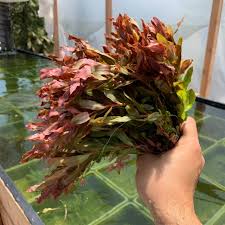
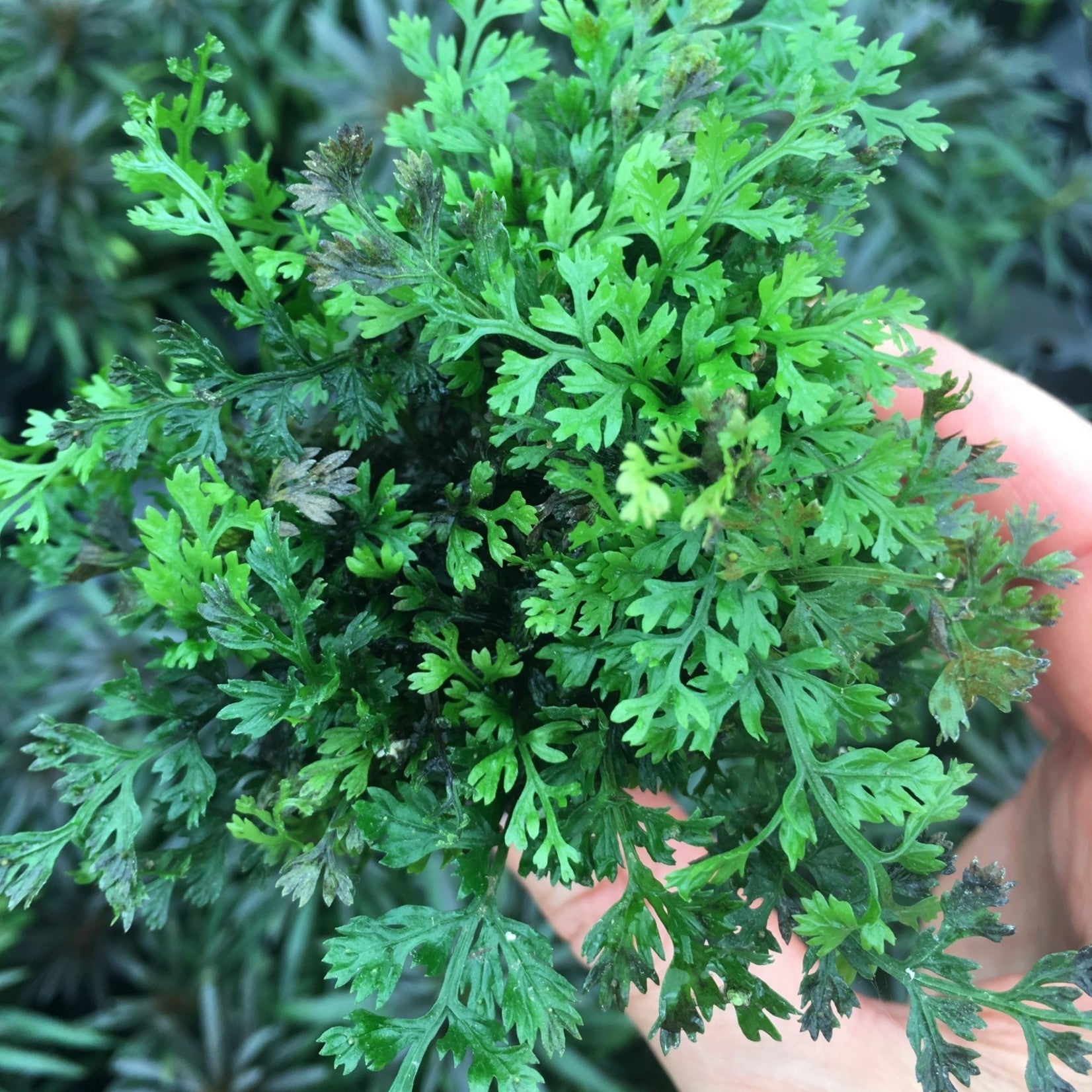
Emersed growth means the plant is grown with its roots in water but its leaves in the air — like a house plant sitting in a tray of water. This is how the vast majority of commercially grown aquarium plants are produced, including plants from Canton Aquatics.
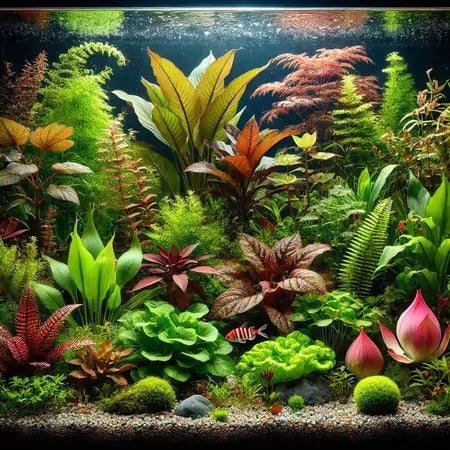
Submerged growth means the plant is fully underwater — which is how it will grow in your aquarium.
Here's the important part: most aquarium plants look completely different in emersed vs. submerged form. Different leaf shape, different leaf size, different texture, sometimes even different color. They're the same plant — just expressing different growth forms based on their environment.
Why Are Plants Grown Emersed?
Plant nurseries and farms grow aquarium plants emersed for practical reasons:
- Faster growth — plants grow 3–5x faster in air than underwater because they have unlimited access to atmospheric CO2
- No algae issues — algae can only grow underwater, so emersed plants stay pristine
- Hardier for shipping — emersed leaves are thicker and more rigid, surviving transit better than delicate submerged leaves
- Fewer pests — snails, planaria, and other aquatic hitchhikers can't establish on emersed-grown plants
This is actually good news for you as a buyer — emersed-grown plants arrive in better condition and are pest-free. The tradeoff is a brief transition period.
What Happens During Transition?
When you plant an emersed-grown plant underwater, here's the typical timeline:
Week 1–2: The Melt
Emersed leaves begin to deteriorate. They may turn yellow, brown, translucent, or develop holes. Some species (especially Cryptocoryne) may lose ALL their emersed leaves. This is the plant shedding growth that isn't adapted to underwater life.
Week 2–4: New Growth Appears
New submerged-form leaves begin emerging from the crown or growing tips. These leaves will look noticeably different — typically thinner, more delicate, and often a different shade of green (or red, depending on species).
Week 4–8: Fully Transitioned
The plant is now producing only submerged-form leaves and growing normally. Old emersed leaves that haven't melted yet can be trimmed away — they'll eventually deteriorate anyway.
Plants Most Affected by the Transition
| Plant | Emersed Form | Submerged Form | Transition Severity |
|---|---|---|---|
| Cryptocoryne (all species) | Thick, waxy leaves | Thinner, often different color | Severe — often complete melt |
| Amazon Sword | Round, stiff leaves | Longer, thinner, more flexible | Moderate — outer leaves die |
| Monte Carlo | Thick, round leaves on sturdy stems | Smaller, thinner leaves | Moderate |
| Dwarf Hairgrass | Thick, dark green blades | Finer, lighter green blades | Mild to Moderate |
| Bucephalandra | Thicker leaves, matte finish | Thinner leaves, iridescent shine | Mild |
| Anubias | Similar to submerged | Very similar | Minimal — very hardy |
| Java Fern | Similar to submerged | Very similar | Minimal |
Tips for a Smooth Transition
- Don't trim emersed leaves immediately. They're still photosynthesizing and feeding the plant while new submerged growth develops. Let them fall off naturally or trim them once new leaves are established.
- Keep water parameters stable. The plant is already stressed from the environmental change — don't compound it with fluctuating pH, temperature, or water chemistry.
- Provide good nutrition. The transition takes energy. Root tabs for root feeders, liquid fertilizer for water-column feeders.
- Be patient. The transition takes 2–6 weeks depending on species. Don't pull the plant thinking it's dead — if the roots and crown are intact, it's still alive.
- Remove melted leaves promptly once they're clearly dead (translucent, mushy). Decaying plant matter degrades water quality and can trigger algae.
Tissue Culture Plants: Already Emersed
Tissue culture plants are grown in a sterile gel medium in emersed conditions. They'll also go through the transition process, but they have the added advantage of being 100% pest-free and algae-free. The transition is typically milder with tissue cultures because the plants are younger and more adaptable.
The Bottom Line
If your new aquarium plants look different than expected or seem to be "dying" in the first few weeks — they're probably just transitioning from emersed to submerged growth. This is normal, healthy, and temporary. Give them time, keep conditions stable, and they'll reward you with beautiful underwater growth that's perfectly adapted to your tank.
Ready to Upgrade Your Aquarium?
Check out our shop for a variety of fresh, farm-grown plants! Find the perfect options to enhance your aquarium today.
FEATURED BLOG
Glossostigma Elatinoides Care Guide: The Ultra-Low Carpet Plant


June 25, 2026
Glossostigma Elatinoides Care Guide: The Ultra-Low Carpet Plant
Best Aquarium Plants for Shrimp Tanks: Safe Species Your Shrimp Will Love


June 25, 2026
Best Aquarium Plants for Shrimp Tanks: Safe Species Your Shrimp Will Love
DIY CO2 for Aquarium Plants: The Budget Method That Actually Works


June 25, 2026
DIY CO2 for Aquarium Plants: The Budget Method That Actually Works
Aquarium Plant Nutrient Deficiency Guide: Identify and Fix Every Symptom


June 25, 2026
Aquarium Plant Nutrient Deficiency Guide: Identify and Fix Every Symptom
Paludarium Plants: Best Species for Your Half-Land, Half-Water Setup


June 25, 2026
Paludarium Plants: Best Species for Your Half-Land, Half-Water Setup
Riccia Fluitans Care Guide: Growing Crystalwort in Your Aquarium


June 25, 2026
Riccia Fluitans Care Guide: Growing Crystalwort in Your Aquarium
- Choosing a selection results in a full page refresh.

!