


Dwarf Baby Tears (Micranthemum umbrosum) - Live Freshwater Aquarium Plant
Scientific Name: Micranthemum umbrosum
Common Name: Dwarf Baby Tears, Giant Baby Tears
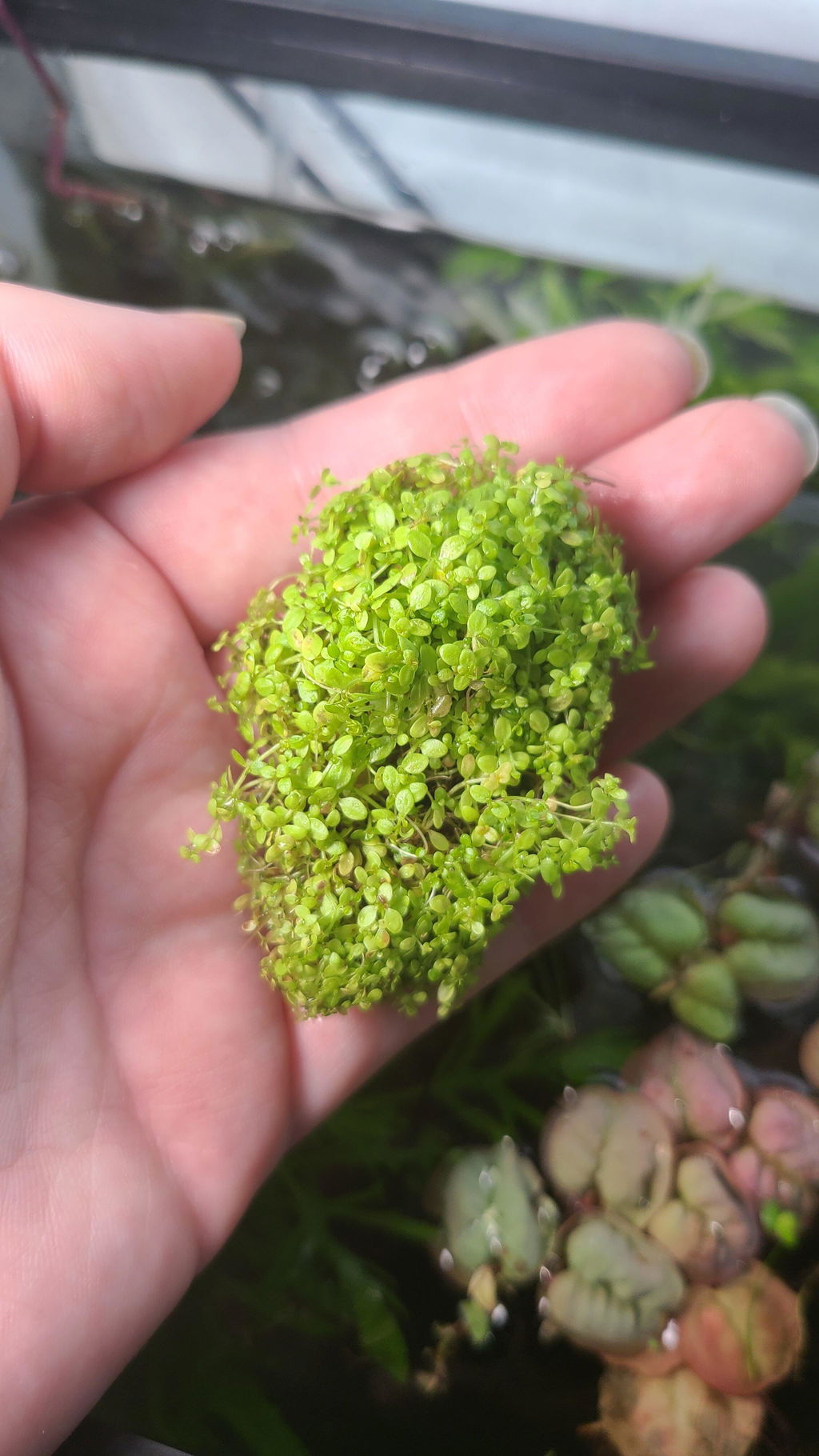
Micranthemum umbrosum is a popular freshwater aquarium plant valued for its small, bright-green leaves and tidy growth habit. While often confused with true carpeting plants, this species is best used as a low-growing foreground or midground stem plant, where it creates a lush, natural look when planted densely and trimmed regularly.
Its adaptable nature and attractive leaf structure make it a favorite for aquascapers looking to add softness and texture without aggressive spreading.
Key Features
Compact Growth Habit:
Produces small, rounded leaves on delicate stems, creating a dense and tidy appearance when grouped together.
Foreground to Midground Placement:
Best suited for the front or middle of the aquarium rather than true carpeting layouts.
Moderate Growth Rate:
Grows steadily under proper lighting and nutrients, allowing easy shaping and maintenance.
Freshwater Adaptability:
Performs well in a wide range of freshwater aquarium conditions.
Benefits
Micranthemum umbrosum enhances aquascapes by adding fine texture and vibrant green color. Dense planting provides shelter for shrimp, fry, and small fish while helping absorb excess nutrients from the water column. Its manageable growth makes it ideal for balanced, low-clutter layouts.
Planting Tips
Substrate:
Fine-grained aquarium soil or nutrient-rich planted substrate is recommended.
Planting Method:
Plant small clumps with roots gently covered while keeping leaves above the substrate.
Spacing:
Space stems approximately 1-2 inches apart to allow natural spreading and fuller growth.
Care Instructions
Lighting:
Medium to high lighting supports compact growth and healthy coloration.
Water Conditions:
Temperature: 68-82°F
pH: 6.0-7.5
Water hardness: Soft to moderately hard
CO₂ & Fertilization:
CO₂ supplementation is optional but can significantly improve growth density and appearance. Liquid fertilizers may be used as needed.
Maintenance:
Trim regularly to maintain shape and encourage bushier growth. Remove older stems as needed.
Compatibility
Fish:
Suitable for peaceful community fish such as tetras, rasboras, and guppies.
Invertebrates:
Safe for shrimp and snails.
Aquascaping:
Pairs well with Anubias, Java Fern, Cryptocoryne, and other low-growing plants.
Frequently Asked Questions
Does Micranthemum umbrosum carpet like HC Cuba?
No. It is a low-growing stem plant, not a true carpeting species.
Is CO₂ required?
No, but CO₂ improves density and growth speed.
Is this plant beginner-friendly?
Best suited for aquarists with basic plant-keeping experience due to lighting and nutrient needs.
How often should it be trimmed?
Every few weeks, depending on growth conditions.
Important Notes
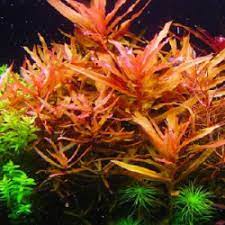
Live aquarium plants naturally vary in size, shape, and growth rate depending on lighting, nutrients, and water conditions. Images are for reference only and may not represent the exact plant received.
🌱 Care & Resources
Browse more: Carpet Aquarium Plants · Buy 2 Get 1 Free
📖 Care guides: Best Carpet Plants Aquarium: Top Species & Care Guide · Low Tech Carpet Plants: Complete Guide for Aquarium Success
Title
Dwarf Baby Tears Micranthemum Umbrosom
Brand
Canton Aquatics
Plant Type
Carpet Plants
At Canton Aquatics LLC, we take great pride in providing high-quality live aquarium plants to our customers. We understand the complexities involved in shipping live plants and are committed to ensuring they arrive at your doorstep in excellent condition.
Shipping Process:
- All live plants are shipped using USPS Standard and Priority Mail to provide the fastest and most reliable service.
- Plants are typically shipped Monday - Friday to avoid weekend delays.
- Each plant is carefully packaged in sealed plastic bags to hold in moisture during the shipping process.
DOA (Dead on Arrival) Policy:
- If you receive plants that are dead on arrival, please contact us within 2 hours of delivery with clear photographic evidence.
- Upon receipt of the photos, we will assess the situation. If the plants are determined to be DOA, we will replace or provide refund.
- For a valid DOA claim, replacements or refunds will be processed within 2 business days after the claim is approved.
- Please keep in mind that all plants require sun light to live therefore your plants may arrive slightly yellow. Please float your plants at the top of your tank near the light for 3 days if applicable. They will enjoy this new added light intensity to help them recover.
Limitations and Responsibilities:
- The DOA policy is only applicable if the first delivery attempt is made within the shipping duration specified at the time of purchase.
- Delays due to incorrect shipping information provided by the customer or missed deliveries will void the DOA guarantee.
- Extreme weather conditions can impact the health of the plants in transit. We recommend checking the weather forecasts and choosing a shipping window accordingly.
- It is the responsibility of the customer to acclimate the plants to their new environment according to best practices. Our DOA policy does not cover plants that perish due to improper acclimation.
Cancellation and Changes:
- Orders can only be cancelled or changed before they are shipped. Once the order is in transit, we cannot accept cancellations or changes.
Customer Support:
- If you have any questions or concerns regarding our shipping policy or the condition of your plants upon arrival, please contact our customer support team at [Contact Information].
By placing an order with Canton Aquatics LLC, you acknowledge and agree to the terms outlined in this shipping policy.
Please be sure to check the regulations in your state regarding restricted plants. Our policy is to avoid shipping any plants that are prohibited in your area to ensure compliance and environmental safety. It's important not to introduce plants into the wild or waterways, as this could disrupt local ecosystems by introducing invasive species.
We appreciate your efforts in helping to protect the environment. For the latest updates, you can consult the USDA State Noxious Weed list here.
Thank you for your dedication to preserving our natural habitats.
Recommended for You

frequently asked questions
- Choosing a selection results in a full page refresh.

!